Deadly Teen Knife Crisis: The UK's 'New Normal'
-
 Loading...
 - Aaretti Timoteus
- 24 Jan 2025
- 40 Views
- 0 Like
- 0 Comment
The UK is grappling with a severe teenage knife crime epidemic, which has been described by Prime Minister Keir Starmer as a "national crisis." The alarming rise in knife-related incidents has created a culture of fear and violence among young people, with tragic consequences that often involve children killing children.
Rhys, now 28, reflects on his harrowing experiences with knife crime, recounting the moment he tried to save his best friend, who had been stabbed. His story is emblematic of a broader issue affecting many communities across the UK. Knife crime in England and Wales has been steadily increasing since 2011, with official government data showing a 41% rise in offences involving sharp instruments, from 36,000 in March 2011 to 50,973 in June 2024.
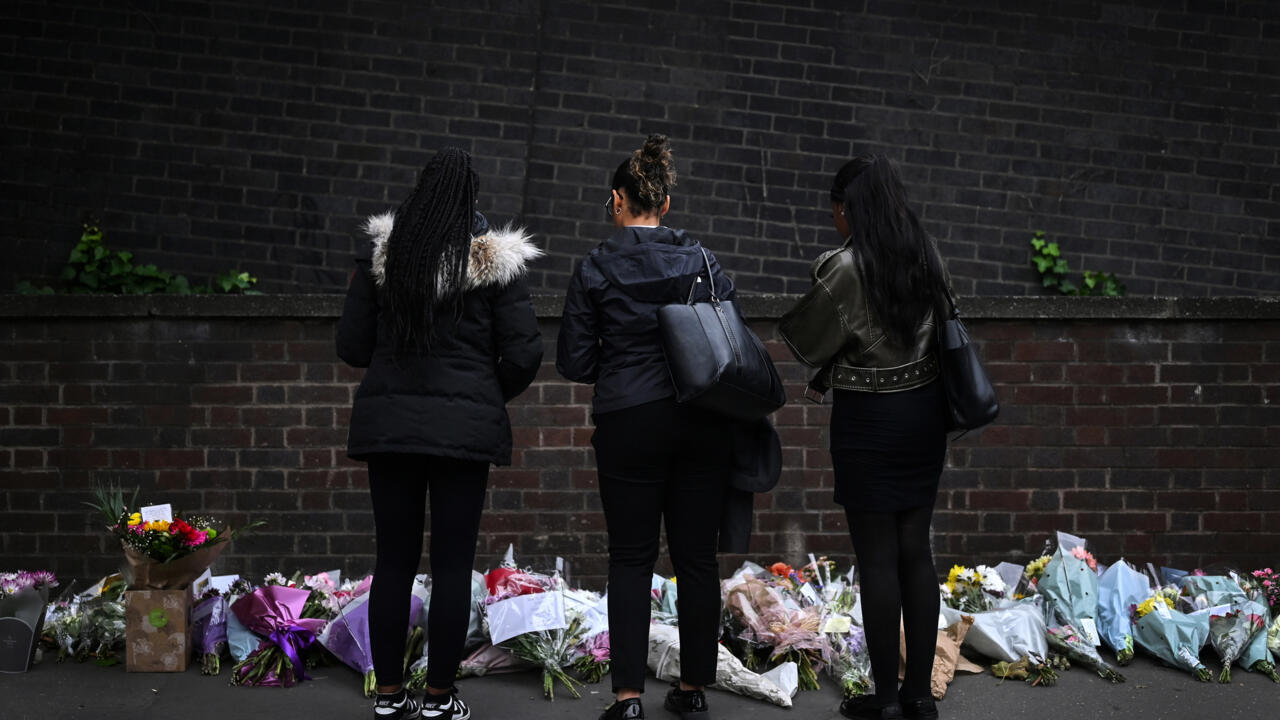
The statistics are sobering, with 10 teenagers fatally stabbed in London last year and 18 in 2023. Among the victims was 15-year-old Elianne Andam, who was tragically killed by her friend's ex-boyfriend over a dispute involving a teddy bear. Such incidents highlight the senseless nature of many of these attacks, often triggered by trivial disputes or mistaken identities.
The crisis has been underscored by several high-profile cases. Axel Rudakubana, 18, was sentenced to life in prison for the murder of three young girls and the attempted murder of 10 others during a dance class in Southport. In another shocking incident, 14-year-old Kelyan Bokassa was brutally attacked with a machete on a bus, becoming the first murder victim of 2025. His mother described the environment as feeling like a "war zone."
The violence is not confined to urban areas; even rural regions are experiencing increases in knife crime. For instance, sharp instrument offences in Avon and Somerset rose by 32% in the year leading up to June 2024.
Experts are increasingly concerned that knife crime is becoming normalized, particularly among young people. James Alexander, a criminologist at London Metropolitan University, notes that the culture of violence is often rooted in the dynamics of housing estates in deprived areas, where young people feel compelled to carry knives for protection and status. This environment fosters a cycle of violence, where community ties weaken, and the influence of drugs and gangs proliferates.
The head of London's Metropolitan Police, Mark Rowley, has expressed fears that knife crime is being dismissed as gang-related violence that does not affect the broader population. However, the reality is that many young people with no prior connections to gangs are becoming victims or perpetrators of violence.
In response to the escalating crisis, the UK government has implemented measures such as a nationwide ban on "zombie" knives with blades longer than eight inches. However, experts like Rhys, who now works as a mentor for the charity Escapeline, emphasize that addressing the root causes of knife crime requires significant resources and a shift in societal attitudes.
Rhys educates children about the dangers of gang grooming, where young people are lured into criminal activities through manipulation and coercion. He believes that breaking the cycle of violence and changing the "new normal" will necessitate a concerted effort from communities, law enforcement, and policymakers.
The UK's knife crime crisis represents a complex and urgent challenge that demands immediate attention. As the number of young lives lost to violence continues to rise, it is crucial for society to confront the underlying issues contributing to this epidemic. By fostering community support, enhancing educational programs, and addressing the socio-economic factors at play, there is hope for a future where young people can grow up free from the fear of violence and equipped with the tools to make positive choices.


