Debt Ceiling Fight Risks Economic Damage To US Cities With Military Bases.
-
 Loading...
 - Nerby Erik
- 22 May 2023
- 79 Views
- 0 Like
- 0 Comment
The United States is facing the imminent risk of defaulting on its debt within a fortnight, and cities with a significant military presence are in danger of experiencing an economic catastrophe if prompt action is not taken by lawmakers.
A default would entail the government's inability to fulfill its financial obligations, including the payment of federal workers' salaries and disbursements to Social Security recipients. Approximately one-sixth of government spending is allocated to national defense, with a quarter of that amount dedicated to compensating military personnel, as outlined by the Congressional Budget Office.
If the United States fails to meet its national defense expenses, cities housing large military bases could suffer severe repercussions. These consequences would encompass missed payments, mounting debt, and a substantial reduction in expenditure that would adversely impact the profitability of local businesses.
John Mayo, an economics, business, and public policy professor at Georgetown University, highlighted the vulnerability of military communities throughout the country, stating, "A default on the federal debt would be an economic disaster in many ways, but it will especially hit cities with high government employment, so military communities around the country are especially vulnerable."
He further emphasized that military families, who often live paycheck to paycheck, would be forced to make agonizing choices if their payments are delayed due to the default.
The Treasury Department's course of action regarding payment prioritization and debt servicing remains unclear once its cash reserves are depleted.
While individuals on government payrolls, such as military personnel, are unlikely to be laid off if a default persists, their payments would likely be postponed. This delay could exacerbate the financial market turbulence already grappling with local economies, potentially occurring even before an actual default.
According to government data from the end of March, there were at least 1.7 million Americans employed by the Defense Department across all states, including civilian personnel.
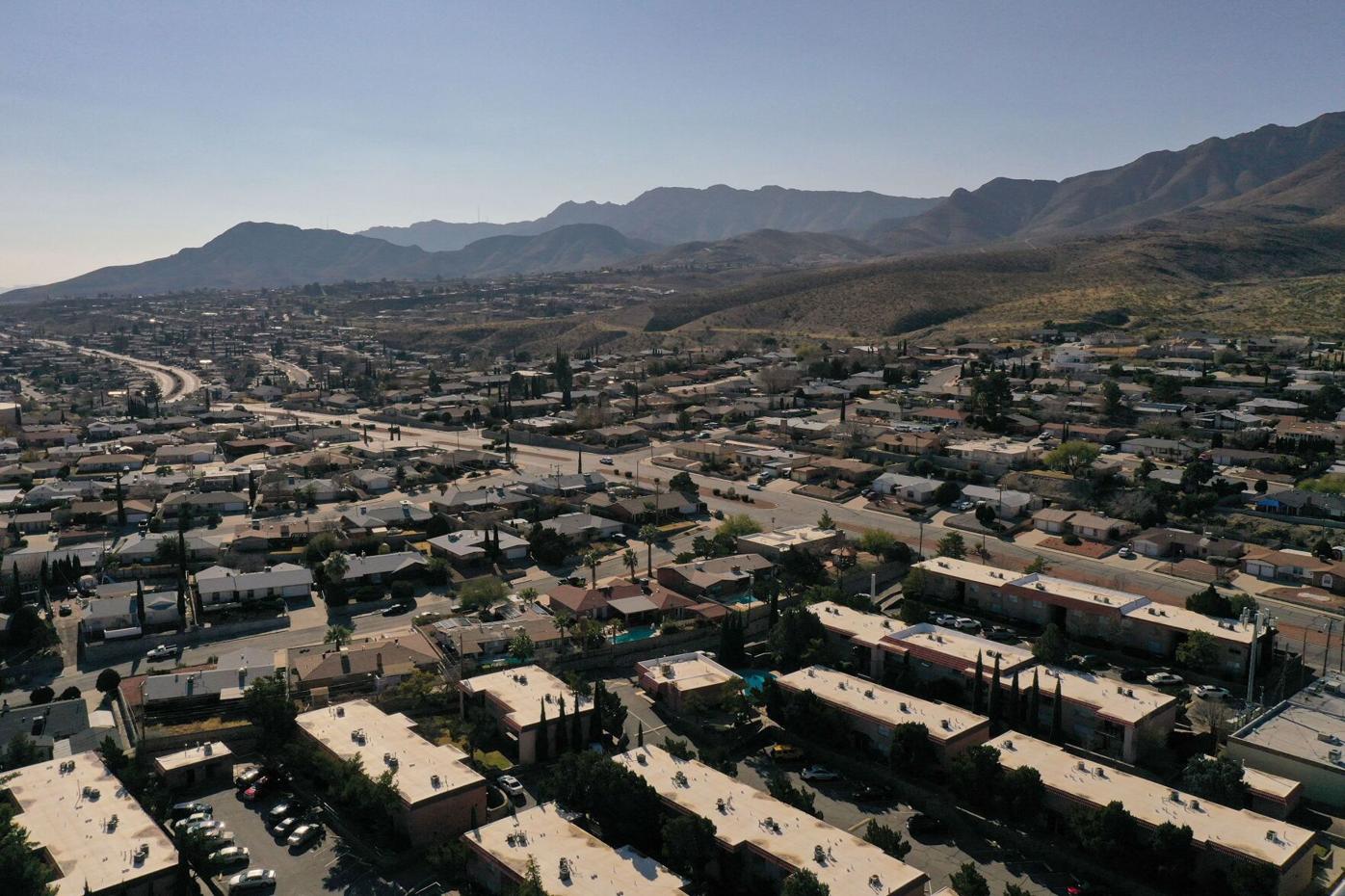
Delayed payments could have far-reaching consequences for cities with prominent military bases, including San Diego, San Antonio, and El Paso, Texas. The impact would be even more pronounced for smaller cities lacking diversified economies, heavily reliant on the military's presence to drive economic activity.
Federal workers may be compelled to tap into their savings or rely on credit for daily expenditures, leading to "drastic spending cuts" on non-essential items like dining out or entertainment. Consequently, local businesses would suffer, potentially resulting in layoffs or closures. Notably, San Antonio houses one of the largest joint bases operated by the Defense Department, comprising Fort Sam Houston, Camp Bullis, Randolph Air Force Base, and Lackland Air Force Base.
Although the region boasts a diversified economy, this alone would be insufficient to protect households from significant damage caused by delayed payments to federal workers, according to Thomas Tunstall, an economist at the University of Texas at San Antonio.
In El Paso, a city located in far-west Texas, Fort Bliss and William Beaumont Army Medical Center collectively contribute over $3.5 billion in wages and salaries to military and civilian employees. Thomas Fullerton, an economist at the University of Texas at El Paso, pointed out that "Business cash flows will be disrupted by the paycheck delays as well as any employee layoffs or furloughs on the base, at the medical center, or by companies that subcontract at either facility." He further added that low-wage and low-income households would bear the brunt of these impacts.
San Diego, another major city with a substantial military presence, is home to one of the largest naval bases in the country, alongside a thriving tourism industry. Data from the Bureau of Labor Statistics reveals that the metropolitan area had over 193,000 employees in the leisure and hospitality sector last year.
In the event of delayed payments to all government workers, discretionary spending, particularly in the leisure sector, would be the first to suffer, posing significant challenges for tourism-related businesses, cautioned Jeffrey Clemens, an economist at the University of California, San Diego. He stated, "The local economy would be impacted primarily through any effects of late wages and salary payments on the consumption of restaurants, entertainment, purchases of electronics and other consumer goods by those households. If the federal government goes into default and there's to some extent a seizing up of economic activity everywhere, I would certainly expect people's summer vacation plans to be impacted, and places like San Diego that have an important tourism sector will be adversely affected by that."
Earlier this week, President Joe Biden and House Speaker Kevin McCarthy expressed optimism that negotiations would lead to a successful raising of the debt ceiling, potentially as early as the upcoming weekend. However, these negotiations encountered a setback on Friday, resulting in a temporary pause in discussions.


