Home Upload Photo Upload Videos Write a Blog Analytics Messaging Streaming Create Adverts Creators Program
Bebuzee Afghanistan Bebuzee Albania Bebuzee Algeria Bebuzee Andorra Bebuzee Angola Bebuzee Antigua and Barbuda Bebuzee Argentina Bebuzee Armenia Bebuzee Australia Bebuzee Austria Bebuzee Azerbaijan Bebuzee Bahamas Bebuzee Bahrain Bebuzee Bangladesh Bebuzee Barbados Bebuzee Belarus Bebuzee Belgium Bebuzee Belize Bebuzee Benin Bebuzee Bhutan Bebuzee Bolivia Bebuzee Bosnia and Herzegovina Bebuzee Botswana Bebuzee Brazil Bebuzee Brunei Bebuzee Bulgaria Bebuzee Burkina Faso Bebuzee Burundi Bebuzee Cabo Verde Bebuzee Cambodia Bebuzee Cameroon Bebuzee Canada Bebuzee Central African Republic Bebuzee Chad Bebuzee Chile Bebuzee China Bebuzee Colombia Bebuzee Comoros Bebuzee Costa Rica Bebuzee Côte d'Ivoire Bebuzee Croatia Bebuzee Cuba Bebuzee Cyprus Bebuzee Czech Republic Bebuzee Democratic Republic of the Congo Bebuzee Denmark Bebuzee Djibouti Bebuzee Dominica Bebuzee Dominican Republic Bebuzee Ecuador Bebuzee Egypt Bebuzee El Salvador Bebuzee Equatorial Guinea Bebuzee Eritrea Bebuzee Estonia Bebuzee Eswatini Bebuzee Ethiopia Bebuzee Fiji Bebuzee Finland Bebuzee France Bebuzee Gabon Bebuzee Gambia Bebuzee Georgia Bebuzee Germany Bebuzee Ghana Bebuzee Greece Bebuzee Grenada Bebuzee Guatemala Bebuzee Guinea Bebuzee Guinea-Bissau Bebuzee Guyana Bebuzee Haiti Bebuzee Honduras Bebuzee Hong Kong Bebuzee Hungary Bebuzee Iceland Bebuzee India Bebuzee Indonesia Bebuzee Iran Bebuzee Iraq Bebuzee Ireland Bebuzee Israel Bebuzee Italy Bebuzee Jamaica Bebuzee Japan Bebuzee Jordan Bebuzee Kazakhstan Bebuzee Kenya Bebuzee Kiribati Bebuzee Kuwait Bebuzee Kyrgyzstan Bebuzee Laos Bebuzee Latvia Bebuzee Lebanon Bebuzee Lesotho Bebuzee Liberia Bebuzee Libya Bebuzee Liechtenstein Bebuzee Lithuania Bebuzee Luxembourg Bebuzee Madagascar Bebuzee Malawi Bebuzee Malaysia Bebuzee Maldives Bebuzee Mali Bebuzee Malta Bebuzee Marshall Islands Bebuzee Mauritania Bebuzee Mauritius Bebuzee Mexico Bebuzee Micronesia Bebuzee Moldova Bebuzee Monaco Bebuzee Mongolia Bebuzee Montenegro Bebuzee Morocco Bebuzee Mozambique Bebuzee Myanmar Bebuzee Namibia Bebuzee Nauru Bebuzee Nepal Bebuzee Netherlands Bebuzee New Zealand Bebuzee Nicaragua Bebuzee Niger Bebuzee Nigeria Bebuzee North Korea Bebuzee North Macedonia Bebuzee Norway Bebuzee Oman Bebuzee Pakistan Bebuzee Palau Bebuzee Panama Bebuzee Papua New Guinea Bebuzee Paraguay Bebuzee Peru Bebuzee Philippines Bebuzee Poland Bebuzee Portugal Bebuzee Qatar Bebuzee Republic of the Congo Bebuzee Romania Bebuzee Russia Bebuzee Rwanda Bebuzee Saint Kitts and Nevis Bebuzee Saint Lucia Bebuzee Saint Vincent and the Grenadines Bebuzee Samoa Bebuzee San Marino Bebuzee São Tomé and Príncipe Bebuzee Saudi Arabia Bebuzee Senegal Bebuzee Serbia Bebuzee Seychelles Bebuzee Sierra Leone Bebuzee Singapore Bebuzee Slovakia Bebuzee Slovenia Bebuzee Solomon Islands Bebuzee Somalia Bebuzee South Africa Bebuzee South Korea Bebuzee South Sudan Bebuzee Spain Bebuzee Sri Lanka Bebuzee Sudan Bebuzee Suriname Bebuzee Sweden Bebuzee Switzerland Bebuzee Syria Bebuzee Taiwan Bebuzee Tajikistan Bebuzee Tanzania Bebuzee Thailand Bebuzee Timor-Leste Bebuzee Togo Bebuzee Tonga Bebuzee Trinidad and Tobago Bebuzee Tunisia Bebuzee Turkey Bebuzee Turkmenistan Bebuzee Tuvalu Bebuzee Uganda Bebuzee Ukraine Bebuzee United Arab Emirates Bebuzee United Kingdom Bebuzee Uruguay Bebuzee Uzbekistan Bebuzee Vanuatu Bebuzee Venezuela Bebuzee Vietnam Bebuzee World Wide Bebuzee Yemen Bebuzee Zambia Bebuzee Zimbabwe
Blog Image

Deep-sea Arctic sponges feed on fossilized organisms to survive

The sponges, some over 300 years old, eat the remains of critters from at least 2,000 years ago

In the cold, dark depths of the Arctic Ocean, a feast of the dead is under way.

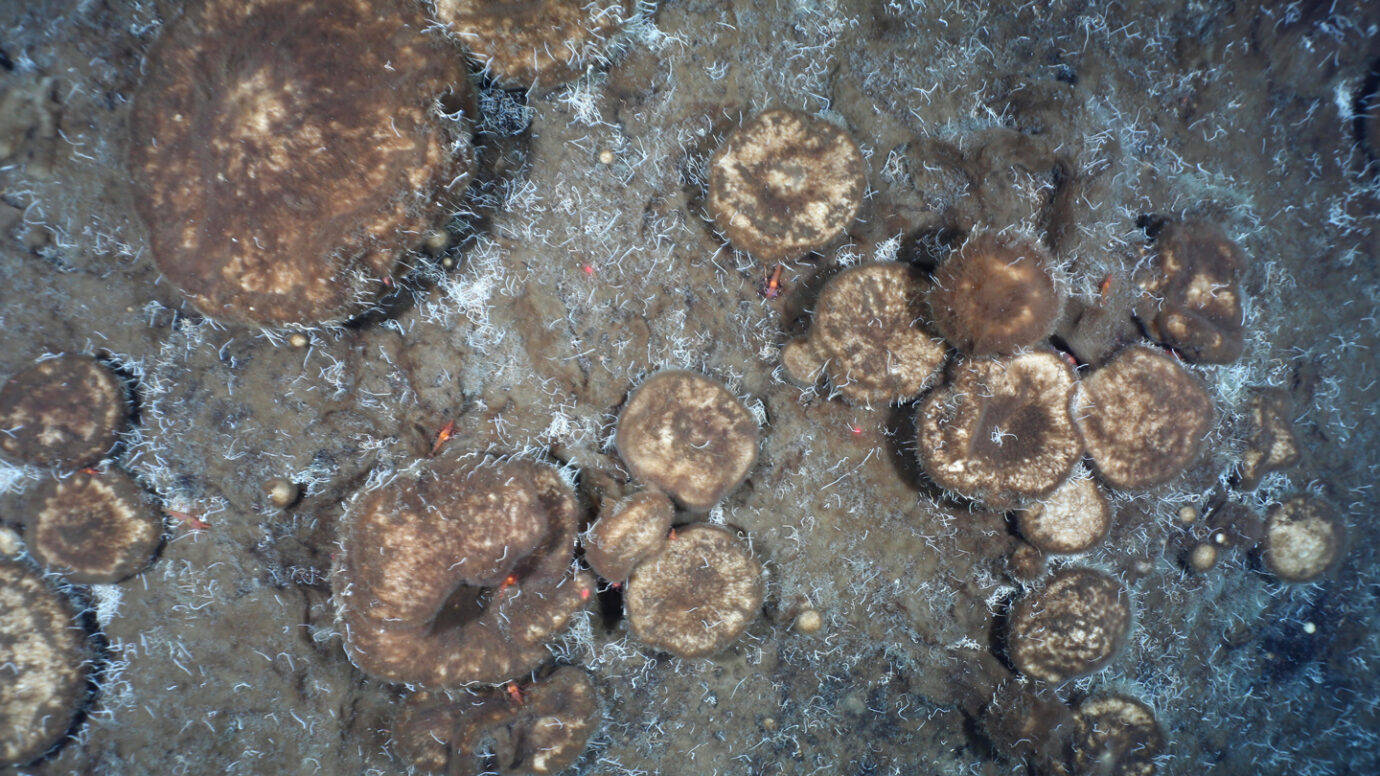
A vast community of sponges, the densest group of these animals found in the Arctic, is consuming the remains of an ancient ecosystem to survive, researchers report February 8 in Nature Communications.

The study highlights just how opportunistic sponges are, says Jasper de Goeij, a deep-sea ecologist at the University of Amsterdam not involved with this work. Evolutionarily speaking, sponges “are more than 600 million years old, and they inhabit all parts of our globe,” he says. Scientists might not know about all of them because many places that sponges inhabit are really difficult to get to, he adds.

Sponges are predominantly filter feeders, and are crucial to nutrient recycling throughout the oceans. The existence of this colony, discovered by a research ship in 2016, however, has been an enigma.

The sponges, which include the species Geodia parva, G. hentscheli and Stelletta rhaphidiophora, live between 700 and 1,000 meters down in the central Arctic Ocean, where there are virtually no currents to provide food, and sea ice covers the water year-round. What’s more, sponges are largely immobile, yet in 2021 researchers, including Teresa Morganti, a marine biologist at the Max Planck Institute for Marine Microbiology in Bremen, Germany, reported that these ones slowly move, using their spicules — microscopic skeletal structures — and leaving them as thick brown trails in their wake.

In the new study, Morganti and colleagues turned their attention to the matted layer underneath the sponge colony, a smorgasbord of discarded spicules and blackened fossilized life, including empty worm tubes and mollusk shells. To see if this thick mat was a food source, the team analyzed samples of the sponges, the mat material and the surrounding water. The researchers also investigated the genetic makeup of the microbes that live within the sponge tissues, and those in the sediment.

Carbon and nitrogen isotopes — atoms with different numbers of neutrons — in the sponge tissues closely matched those of the dead matter below, suggesting the animals were consuming it. The genetic signature of the microbes showed they had enzymes capable of breaking down the material and were likely dissolving the dead organic matter into food for the sponges (SN: 12/27/13).

The matted layer is up to 15 centimeters thick in places, the researchers found. Assuming that the layer is, on average, greater than 4 centimeters thick, it could provide almost five times the carbon that the sponges would need to survive, the team calculates.

The discovery that the sponges are feeding from below means they are likely moving to access more food, Morganti and colleagues suggest. The scientists also found many sponges to be budding, or breaking off parts to form new individuals, showing active reproduction. Read More...


Previous Post

How a western banded gecko eats a scorpion

Next Post

Dynamic rivers contributed to Amazon's rich bird diversity

Comments