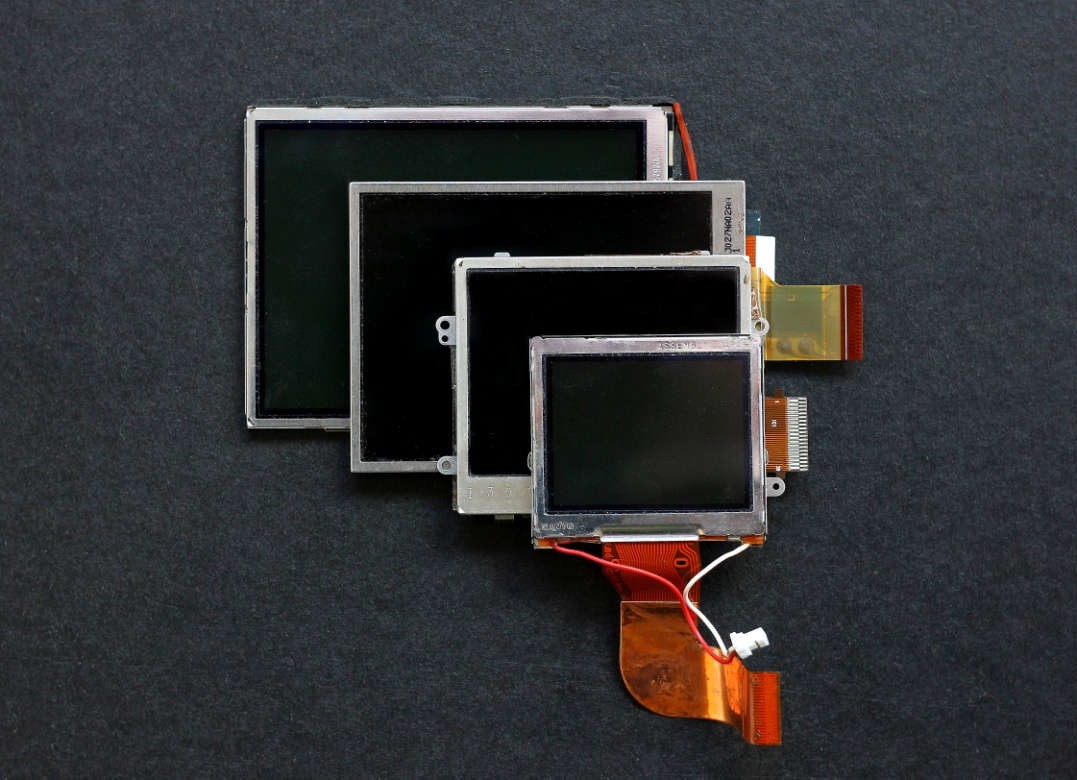
Digital Cameras Were Stuck on Small Screens for Far Too Long
-
 Loading...
 - Chloe Lavoie
- 28 Oct 2022
- 79 Views
- 0 Like
- 0 Comment
Since the 90s, the digital camera has entered our lives as a unique, practical product that no one had experienced before. Despite the 640×480 image size and very simple design of the first cameras, their innovative capabilities were admirable.
In the early stages of the digital camera industry, of course, the expectations and offerings were modest. Even though the devices had primitive technical features that would be beaten by toy cameras today, it was an extraordinary innovation for anyone to be able to see the resulting photos on a screen just moments after they were captured.
1995: The First Rear Screens Appear
The rear display, which is now ubiquitous in digital cameras, was not present in the first cameras. In 1995, Casio engineers revolutionized the QV-10, adding an LCD screen to the camera as an essential and indispensable feature. It hit the shelves as the world’s first consumer-grade LCD-screen digital camera and had a TFT 1.8″ (i.e. 46mm) screen.

This screen was an innovative, bright window into the digital world and the future, and the Casio QV-10 deserved a huge round of applause.
In that same year, the Ricoh RDC-1 was produced with an optional 1.8″ display. The important thing was the presence of a screen, although the image quality was too low-resolution to compare with today’s screens. Read More...