Dinosaur 'reaper' with massive claws found in Japan
-
 Loading...
 - Bagaskoro Irawan
- 10 Jun 2022
- 262 Views
- 0 Like
- 0 Comment
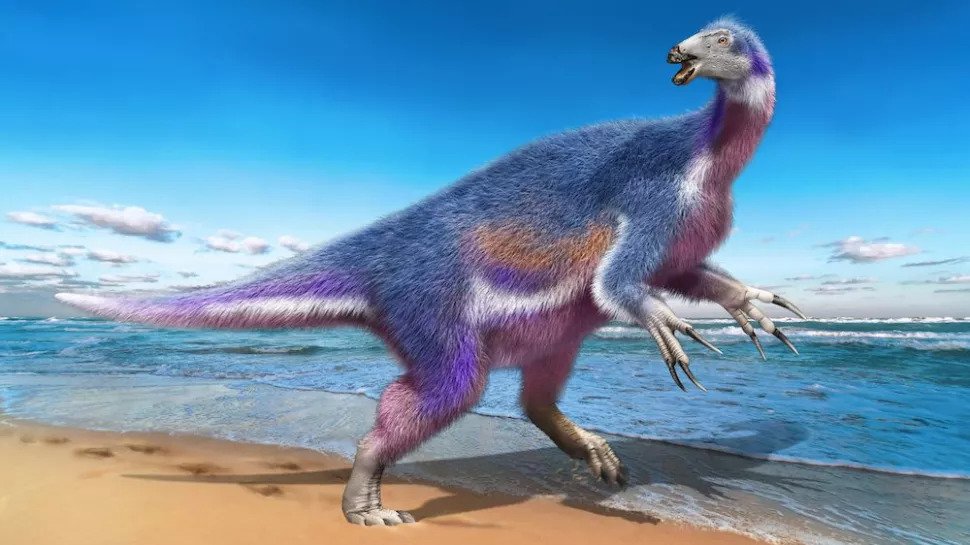
Millions of years ago, a bipedal dinosaur with knives for fingers stalked the shores of the Asian continent. But those Edward Scissorhandslike weapons were used for slashing vegetation rather than eviscerating animal prey, according to a new study.
The dinosaur belonged to a group known as therizinosaurs — bipedal and primarily herbivorous three-toed dinosaurs that lived during the Cretaceous period, about 145 million to 66 million years ago. Recently, researchers from Japan and the United States described the youngest therizinosaur fossil ever found in Japan; that fossil also happens to be the first to be found in Asia in marine sediments.
This fossil represents a newly described species, which the researchers named Paralitherizinosaurus japonicus. The genus, which was already known to science, means "reptile by the sea" in Greek and Latin; the species name honors Japan, where the specimen was unearthed.
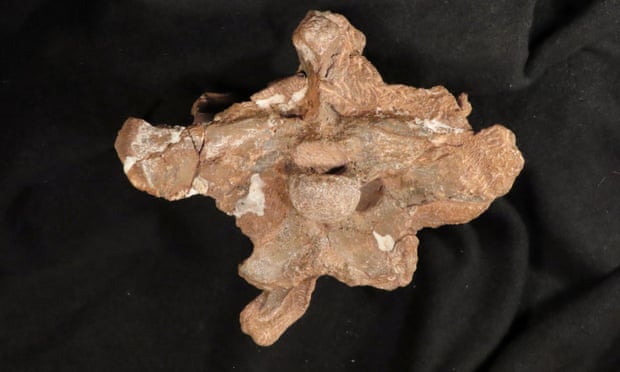
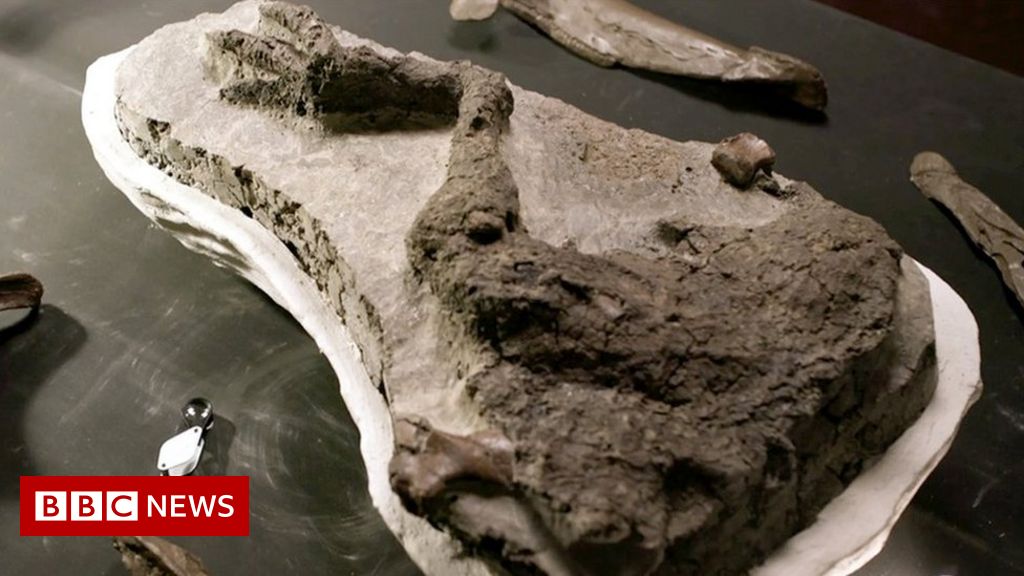
The hook-shaped fossil, which includes a partial vertebra and a partial wrist and forefoot, was discovered by a different team of researchers in 2008; since then, it was stored in the collections at the Nakagawa Museum of Natural History in Hokkaido, Japan.
Japanese scientists found the specimen in Nakagawa, a district in Hokkaido located on the northernmost of Japan's main islands, a locale known for its rich fossil deposits. The fossil was encased in a concretion — a hardened mineral deposit — and at the time of its discovery, paleontologists said it "was believed to belong to a therizinosaur," though due to a lack of comparative data at the time, the original researchers were unable to draw any definitive conclusions, representatives of Hokkaido University said in a statement.
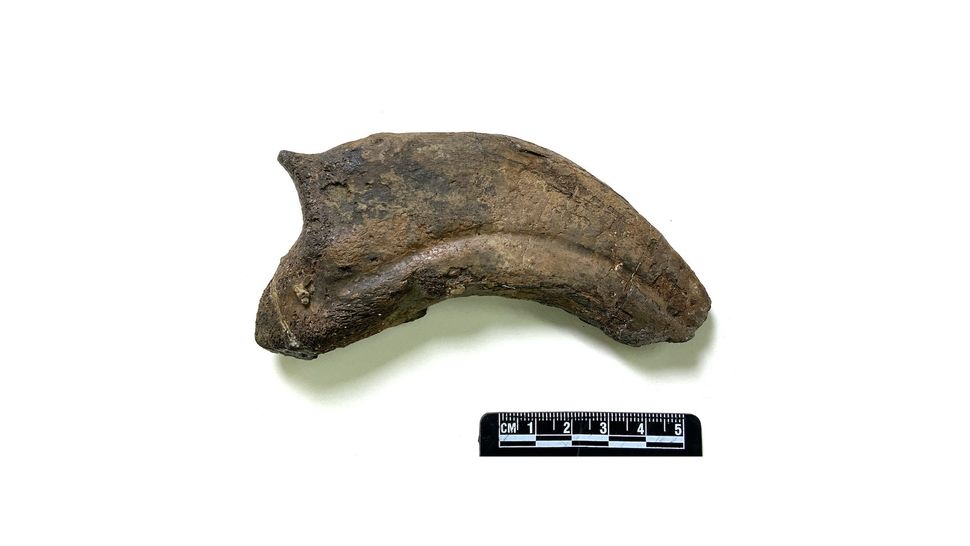
However, new data from many other fossils that were discovered and described in the years since have helped with classifying the fossil based on the shape of the forefoot claw. This prompted a new team of paleontologists to revisit the specimen to get some definitive answers.
Based on their analysis, the authors of the new study concluded that the fossil, which measures just under 4 inches (10 centimeters) in length, belonged to a therizinosaur that lived approximately 80 million to 82 million years ago. The fossilized foot bone once held the dinosaur's swordlike claw, which it used for combing through vegetation for plants to eat. Because researchers suspect that the animal used its claws for a specific purpose, they determined that the specimen was a derived therizinosaur — one that evolved later in the group's lineage — rather than a basal, or early therizinosaur, with claws that were "generalized and not for specific use," according to the statement.
"[This dinosaur] used its claws as foraging tools, rather than tools of aggression, to draw shrubs and trees closer to its mouth to eat," lead study author Anthony Fiorillo, a research professor in the Roy M. Huffington Department of Earth Sciences at Southern Methodist University (SMU) in Dallas, told Live Science. "We believe it died on land and was washed out to sea."
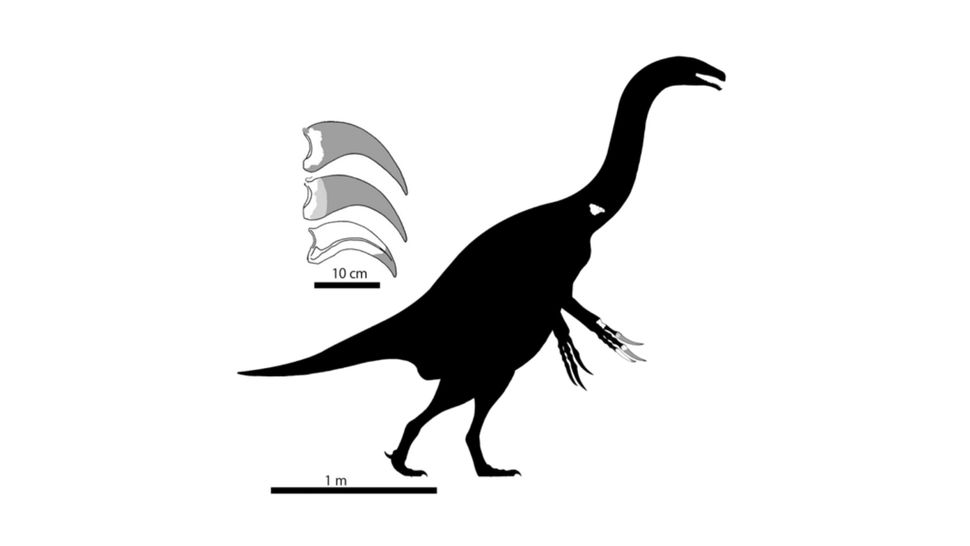
According to the study, therizinosaur fossils have been found throughout Asia as well as in North America (specifically in what is now Denali National Park and Preserve in Alaska), and that, over time, the animals adapted to living in coastal environments. Two more suspected therizinosaur fossils were previously discovered in Japan, but have not yet been described.
Based on this specimen alone, it's impossible to know for sure how large the therizinosaur was, Fiorillo told Live Science. What scientists can say with certainty is that the dinosaur was "sizable," possibly as large as a hadrosaur, or duck-billed dinosaur, which could grow to be 30 feet long (9 meters) and weigh up to 3 tons (2.7 metric tons), according to the University of California Museum of Paleontology(opens in new tab). The fossil is so well-preserved, "we could find more of the animal if we revisited the original site," Fiorillo said. Read More...