Discover the Beauty of Traditional Belarusian Clothing
-
 Loading...
 - Auton Clarke
- 18 Mar 2025
- 26 Views
- 0 Like
- 0 Comment
Traditional Belarusian clothing is a vibrant reflection of the country’s rich cultural heritage, history, and regional diversity. Characterized by intricate designs, bright colors, and unique craftsmanship, these garments tell stories of the past and are often worn during festivals, weddings, and other significant events. Here’s a closer look at the beauty and significance of traditional Belarusian clothing.
1. Materials and Fabrics
Traditional Belarusian clothing is typically made from natural materials such as linen, wool, and cotton. Linen, in particular, is favored for its breathability and durability, making it ideal for the varying climates of Belarus. The use of these natural fabrics not only reflects the agricultural roots of the country but also emphasizes sustainability and a connection to nature.
2. Distinctive Patterns and Embroidery
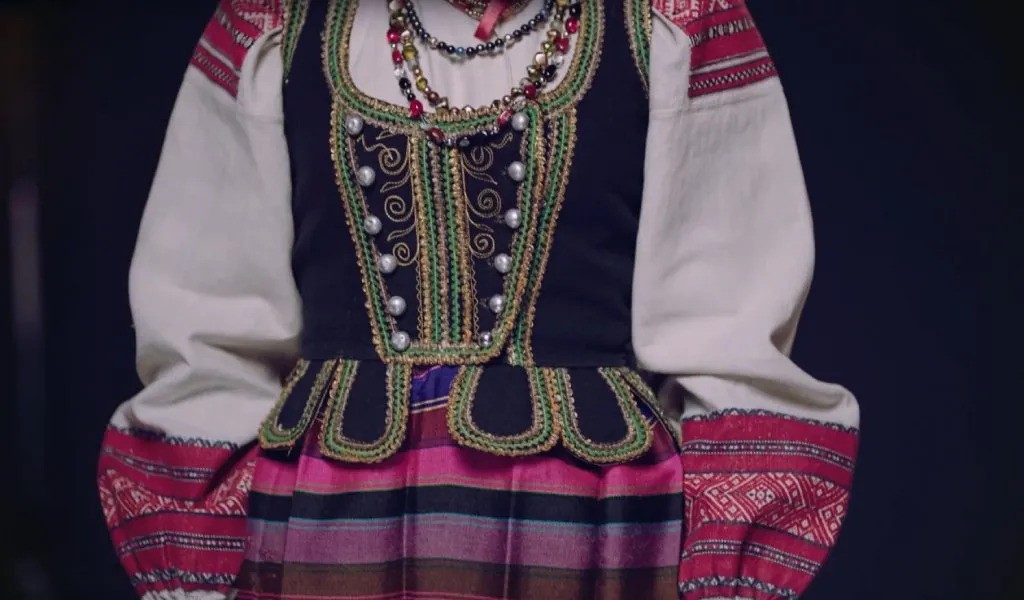
One of the most striking features of Belarusian traditional clothing is the intricate embroidery that adorns many garments. Each region has its own unique patterns and motifs, often inspired by nature, folklore, and local traditions. Common symbols include flowers, birds, and geometric shapes, which are believed to carry protective and auspicious meanings. The embroidery is typically done in bright colors, such as red, black, and white, creating a stunning visual impact.
3. Traditional Garments
- Kryzhma: This is a traditional linen shirt worn by both men and women. It is often embroidered around the collar and sleeves, showcasing the wearer’s regional identity.
- Sarafan: A popular dress for women, the sarafan is a sleeveless garment worn over a blouse. It is often made from colorful fabrics and features elaborate embroidery, making it a favorite for festive occasions.
- Poyas: A woven belt that is worn with traditional clothing, the poyas is often decorated with intricate patterns and serves both functional and decorative purposes.
- Karpatskiy: This is a traditional men’s shirt, usually made of linen, featuring a loose fit and embroidered details. It is often paired with trousers and a belt.
4. Headwear and Accessories
Traditional headwear is an essential part of Belarusian clothing. Women often wear vinok, a floral crown made from fresh or artificial flowers, especially during celebrations and weddings. Men may wear hats or caps that vary by region. Accessories such as beaded necklaces, earrings, and woven bags further enhance the traditional attire, adding layers of cultural significance and beauty.
5. Cultural Significance
Traditional clothing in Belarus is not just about aesthetics; it carries deep cultural significance. Each garment is often associated with specific rituals, celebrations, and life events. For example, wedding attire is particularly elaborate, symbolizing the importance of the occasion. The clothing serves as a way to connect with one’s heritage, preserving the stories and traditions of past generations.
6. Modern Interpretations
In recent years, there has been a resurgence of interest in traditional Belarusian clothing, with contemporary designers incorporating traditional elements into modern fashion. This fusion of old and new allows for the preservation of cultural heritage while making it accessible and relevant to younger generations. Fashion shows and cultural festivals often feature traditional garments, celebrating their beauty and significance.
The beauty of traditional Belarusian clothing lies in its rich history, intricate craftsmanship, and cultural significance. Each piece tells a story, reflecting the values, beliefs, and artistry of the Belarusian people. By exploring and appreciating these garments, we can gain a deeper understanding of Belarusian culture and the importance of preserving its unique heritage for future generations. Whether worn during festive occasions or showcased in modern interpretations, traditional clothing remains a vibrant symbol of national identity and pride.