Doctor Ratatouille: Tanzanian experts train giant rats to smell TB
-
 Loading...
 - Bright Makeme
- 10 Jan 2022
- 426 Views
- 0 Like
- 0 Comment
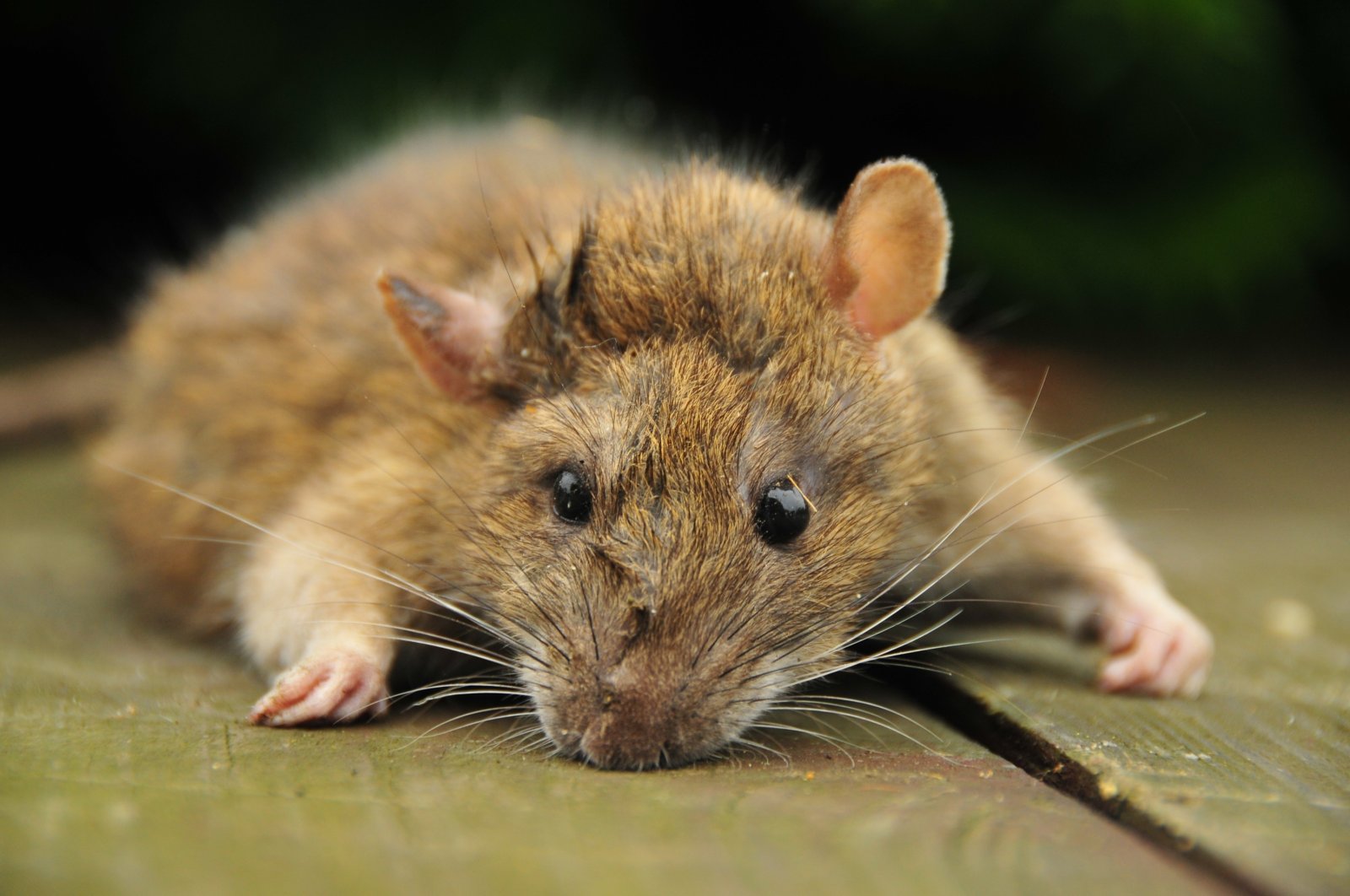
We had canines trained to detect COVID-19 – now get ready for rats and tuberculosis. Yes, you heard that right, scientists in the East African nation of Tanzania are actually deploying rats to help quickly and accurately detect TB at public hospitals, all thanks to their highly developed sense of smell.
The African giant pouched rats, known for saving countless human lives by detecting land mines in former conflict zones, have now been trained by the Belgian nongovernmental organization (NGO) APOPO to detect the highly contagious – and often deadly – disease caused by a bacterial infection of the lungs.
Furthermore, the rats have been found to outperform conventional testing methods in accuracy, speed and cost, helping diagnose thousands in Tanzania, one of the world's 30 tuberculosis high-burden countries, as it deals with climbing case numbers.
Surging infection
According to a 2021 global tuberculosis report, tuberculosis-linked deaths are on the rise for the first time in a decade due to reduced access to diagnosis and treatment amid the COVID-19 pandemic.
Like COVID-19, tuberculosis can cause coughing, through which it can spread to new hosts as an airborne disease. It is the second leading infectious killer in the world after the coronavirus.
About a quarter of the world's population has a tuberculosis infection, according to the World Health Organization (WHO). Though most do not show symptoms and cannot infect others, tuberculosis carriers have a 5% to 10% risk of falling ill.
In Tanzania, symptomatic infections number 253 for every 100,000 people, with the port city of Dar es Salaam accounting for 20% of all cases in the country, official figures show.
Joseph Soka, APOPO's program manager, said the NGO teamed up with multiple partners to reach out to specific target groups in the community to break the chain of transmission while also seeking to build awareness and encourage people who need medical care to seek it.
Citing a recent study, Soka said trained rats could detect tuberculosis with an accuracy of up to 85%, compared to smear microscopy using sputum, or mucus from a patient's lower airways, which has a sensitivity range of 20% to 60%. Read More...