DOST hopeful more 'balik scientists' will come home during Marcos Jr. admin
-
 Loading...
 - Junko Uchida
- 21 Jun 2022
- 226 Views
- 0 Like
- 0 Comment
The government expects more scientists to come back from abroad through the Balik Scientist Program during the presidency of Ferdinand Marcos Jr. because of investments in the sector under President Rodrigo Duterte.
The program is a "brain gain" initiative of the Department of Science and Technology (DOST), where the government arranges for Filipino scientists, technology experts and specialists abroad to return to the country and work here.
Between 1975 — when the program started — and 2021, DOST has registered a total of 585 "balik scientists". Under the Balik Scientist Act signed by President Rodrigo Duterte in June 2018, returning experts will have more incentives such as tax and duty exemptions in the import of scientific equipment, tax-free allowances, and free medical and accident insurance.
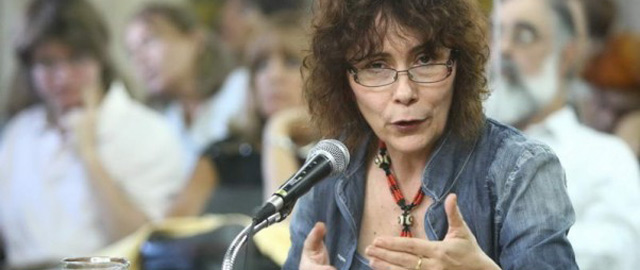
Science and Technology Undersecretary Rowena Cristina Guevara believes that the presence of over 40 research and development (R&D) centers in different regions will attract more Filipino scientists abroad to come back home.
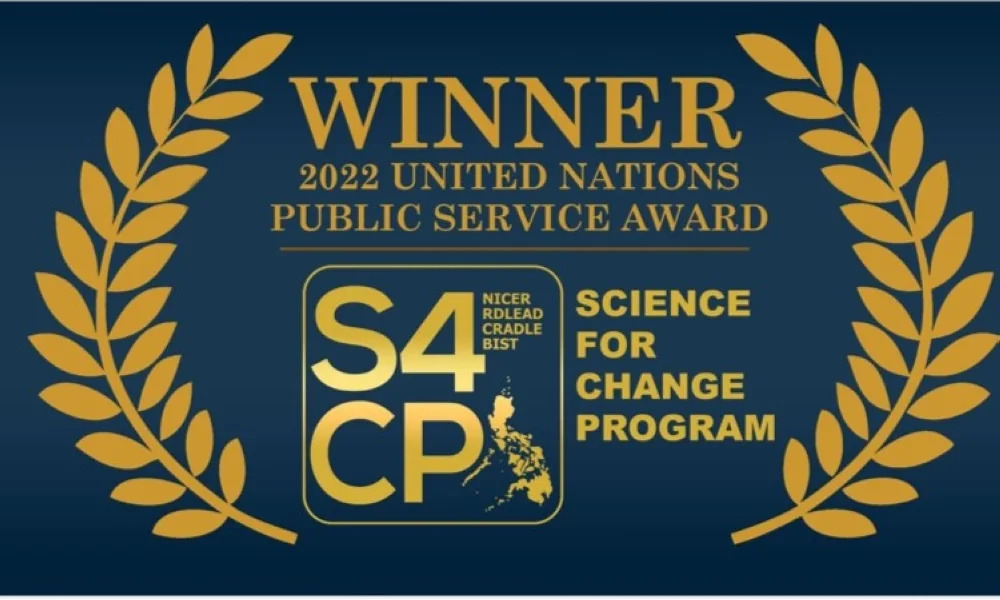
"Yes, [we expect more balik scientists during the Marcos administration]. These past six years, we have been investing heavily on S&T infrastructure in the sense that we have a Science for Change program, where we have already opened 42 R&D centers across the country and these are magnets for 'balik scientists' in specific fields," she told Philstar.com in a Zoom interview on June 6.
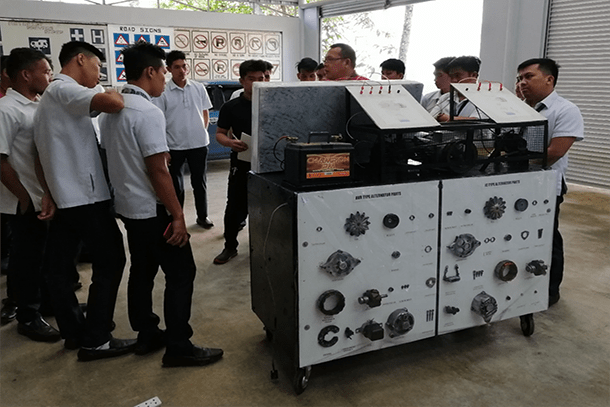
One of the goals of the Science for Change program is to build R&D centers across the country in collaboration with higher education institutions and help solve the disparity in science funding in regions.
With more centers to conduct R&D, more Filipino scientists abroad will want to do their research here, Guevara said.
Scientists for the program come from various fields in the industry, energy and emerging technologies; health sector; and agriculture, aquatic and natural resources.
Selected experts must share their expertise with a host institution, academic institution, government agency, or a local enterprise. Their terms of service are from six months to three years.
Scientists who qualify for the program must be of Filipino origin or descent, must be based abroad, must have made an outstanding contribution in their field, be in good health, and must have practiced their profession for over three years.
More funds for R&D
Putting more funds in R&D means more work for researchers, and will definitely attract more balik scientists, according to Guevara.
She explained that DOST has currently allotted up to P8 billion for research and development per year.
Philippine Nuclear Research Institute Director Carlo Arcilla, whose team has worked with at least three "balik scientists", also suggested that there should be a higher budget set aside for Science, Technology, Engineering and Mathematics (STEM) endeavors.
"It's the scientist that will create new ideas, new technologies that will help push the country [forward], otherwise, we'll just be copying what other countries do, or whatever or other nations will benefit from what our scientists are doing," he told Philstar.com in a Zoom interview on June 9.
"If you bet [on] science, you will always be lucky," Arcilla added.
Aside from pouring in more funds for R&D, the country must do more in pushing for quality STEM education which starts at the basic level, he said.
The Philippines ranked 51th place out of 132 economies in the 2021 Global Innovation Index (GII), which measures innovation performance. This is lower by one notch compared to the country's rank in the previous year's GII. Read More…