Drought threatens yerba mate production in Argentina's northeast
-
 Loading...
 - Facundo Gonzalez
- 17 Mar 2022
- 393 Views
- 0 Like
- 0 Comment
In Colonia Liebig, Corrientes Province, northeastern Argentina, the town’s inhabitants number more than 4,000. Almost all of them depend on a yerba mate farming cooperative founded a century ago by German settlers, but a fierce drought is killing crops. After breaking production records in 2021, a mate slump is now looming.
"The plants are withered. Sixty percent are dead. Losses are in the millions and we are still falling – we still haven't reached the bottom. The situation is a total disaster," says Orlando Stvass, the vice-president of the Liebig Agricultural Cooperative, producer of the popular Playadito brand of mate, the market leader.
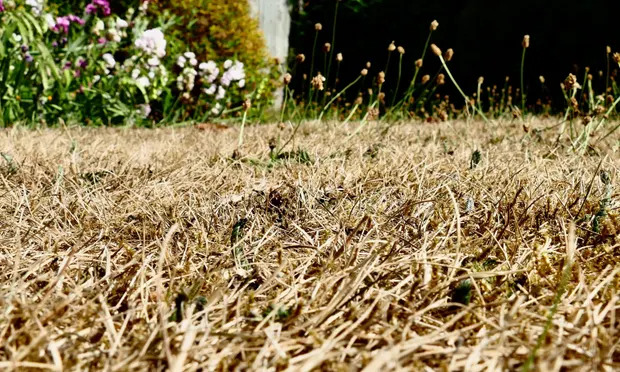
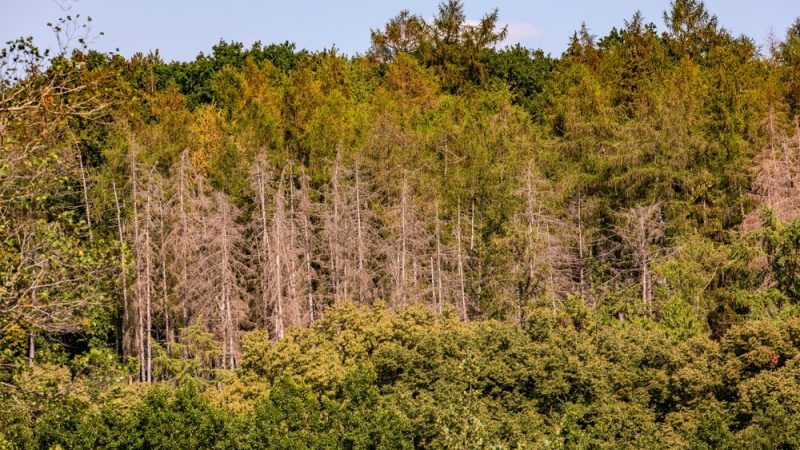
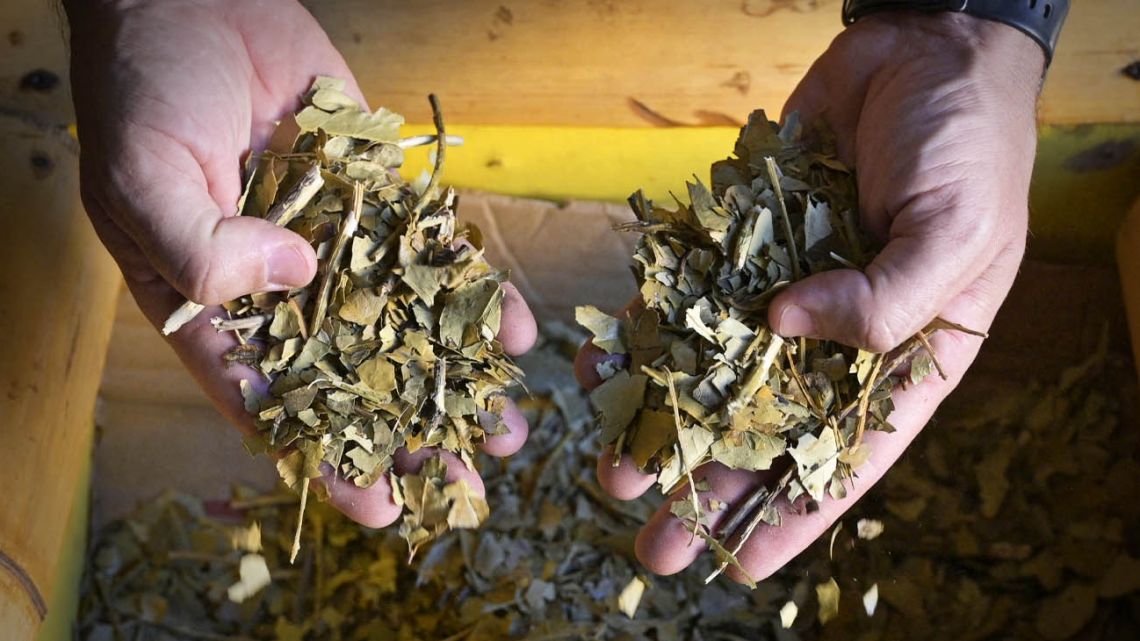
In the yerbales, or mate plantations, of Colonia Liebig, the fields are usually a deep green. Now, the plants combine to create a brown sea of dry bushes.
"They burned like they were in an oven," says agronomist Alberto Müller as he walks through the plantation, surveying the damage.
Colonia Liebig, along with areas of Misiones Province, is the prime region in Argentina that’s suitable for the cultivation and growing of yerba mate, the leaves of which are used to prepare the traditional infusion that is exported to Syria, China, Chile, Lebanon, the United States and Spain, among other destinations.
This new blow to producers will not reach the consumer until 2023 because yerba requires about 10 months of storage before it is packaged.
"This year's stock is assured, but after that there will be a shortage," warns Stvass.
Disaster
Cultivating yerba mate requires iron-rich soils and a subtropical climate with no dry season. But local production areas have not had rain for more than three months, temperatures are running unusually high and the region is under continued threat from the fires that have devastated 10 percent of Corrientes Province.
"We have been suffering from a significant water deficit, [which has been] accentuated in the last three months by high temperatures of up to 45 degrees Celsius – four or five degrees above average," explains Müller. Read More...