Home Upload Photo Upload Videos Write a Blog Analytics Messaging Streaming Create Adverts Creators Program
Bebuzee Afghanistan Bebuzee Albania Bebuzee Algeria Bebuzee Andorra Bebuzee Angola Bebuzee Antigua and Barbuda Bebuzee Argentina Bebuzee Armenia Bebuzee Australia Bebuzee Austria Bebuzee Azerbaijan Bebuzee Bahamas Bebuzee Bahrain Bebuzee Bangladesh Bebuzee Barbados Bebuzee Belarus Bebuzee Belgium Bebuzee Belize Bebuzee Benin Bebuzee Bhutan Bebuzee Bolivia Bebuzee Bosnia and Herzegovina Bebuzee Botswana Bebuzee Brazil Bebuzee Brunei Bebuzee Bulgaria Bebuzee Burkina Faso Bebuzee Burundi Bebuzee Cabo Verde Bebuzee Cambodia Bebuzee Cameroon Bebuzee Canada Bebuzee Central African Republic Bebuzee Chad Bebuzee Chile Bebuzee China Bebuzee Colombia Bebuzee Comoros Bebuzee Costa Rica Bebuzee Côte d'Ivoire Bebuzee Croatia Bebuzee Cuba Bebuzee Cyprus Bebuzee Czech Republic Bebuzee Democratic Republic of the Congo Bebuzee Denmark Bebuzee Djibouti Bebuzee Dominica Bebuzee Dominican Republic Bebuzee Ecuador Bebuzee Egypt Bebuzee El Salvador Bebuzee Equatorial Guinea Bebuzee Eritrea Bebuzee Estonia Bebuzee Eswatini Bebuzee Ethiopia Bebuzee Fiji Bebuzee Finland Bebuzee France Bebuzee Gabon Bebuzee Gambia Bebuzee Georgia Bebuzee Germany Bebuzee Ghana Bebuzee Greece Bebuzee Grenada Bebuzee Guatemala Bebuzee Guinea Bebuzee Guinea-Bissau Bebuzee Guyana Bebuzee Haiti Bebuzee Honduras Bebuzee Hong Kong Bebuzee Hungary Bebuzee Iceland Bebuzee India Bebuzee Indonesia Bebuzee Iran Bebuzee Iraq Bebuzee Ireland Bebuzee Israel Bebuzee Italy Bebuzee Jamaica Bebuzee Japan Bebuzee Jordan Bebuzee Kazakhstan Bebuzee Kenya Bebuzee Kiribati Bebuzee Kuwait Bebuzee Kyrgyzstan Bebuzee Laos Bebuzee Latvia Bebuzee Lebanon Bebuzee Lesotho Bebuzee Liberia Bebuzee Libya Bebuzee Liechtenstein Bebuzee Lithuania Bebuzee Luxembourg Bebuzee Madagascar Bebuzee Malawi Bebuzee Malaysia Bebuzee Maldives Bebuzee Mali Bebuzee Malta Bebuzee Marshall Islands Bebuzee Mauritania Bebuzee Mauritius Bebuzee Mexico Bebuzee Micronesia Bebuzee Moldova Bebuzee Monaco Bebuzee Mongolia Bebuzee Montenegro Bebuzee Morocco Bebuzee Mozambique Bebuzee Myanmar Bebuzee Namibia Bebuzee Nauru Bebuzee Nepal Bebuzee Netherlands Bebuzee New Zealand Bebuzee Nicaragua Bebuzee Niger Bebuzee Nigeria Bebuzee North Korea Bebuzee North Macedonia Bebuzee Norway Bebuzee Oman Bebuzee Pakistan Bebuzee Palau Bebuzee Panama Bebuzee Papua New Guinea Bebuzee Paraguay Bebuzee Peru Bebuzee Philippines Bebuzee Poland Bebuzee Portugal Bebuzee Qatar Bebuzee Republic of the Congo Bebuzee Romania Bebuzee Russia Bebuzee Rwanda Bebuzee Saint Kitts and Nevis Bebuzee Saint Lucia Bebuzee Saint Vincent and the Grenadines Bebuzee Samoa Bebuzee San Marino Bebuzee São Tomé and Príncipe Bebuzee Saudi Arabia Bebuzee Senegal Bebuzee Serbia Bebuzee Seychelles Bebuzee Sierra Leone Bebuzee Singapore Bebuzee Slovakia Bebuzee Slovenia Bebuzee Solomon Islands Bebuzee Somalia Bebuzee South Africa Bebuzee South Korea Bebuzee South Sudan Bebuzee Spain Bebuzee Sri Lanka Bebuzee Sudan Bebuzee Suriname Bebuzee Sweden Bebuzee Switzerland Bebuzee Syria Bebuzee Taiwan Bebuzee Tajikistan Bebuzee Tanzania Bebuzee Thailand Bebuzee Timor-Leste Bebuzee Togo Bebuzee Tonga Bebuzee Trinidad and Tobago Bebuzee Tunisia Bebuzee Turkey Bebuzee Turkmenistan Bebuzee Tuvalu Bebuzee Uganda Bebuzee Ukraine Bebuzee United Arab Emirates Bebuzee United Kingdom Bebuzee Uruguay Bebuzee Uzbekistan Bebuzee Vanuatu Bebuzee Venezuela Bebuzee Vietnam Bebuzee World Wide Bebuzee Yemen Bebuzee Zambia Bebuzee Zimbabwe
Blog Image

Ebola-related virus discovered in bats in Hungary!

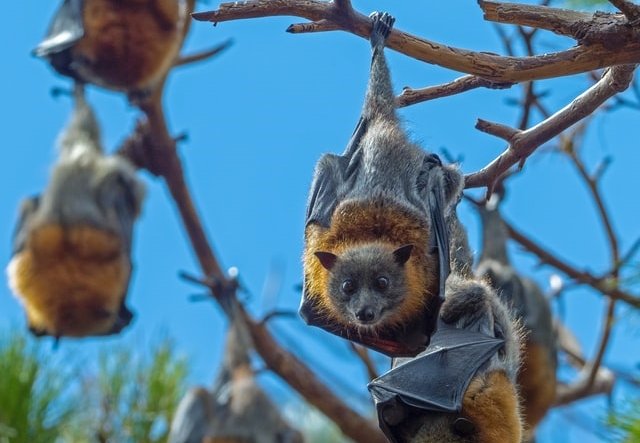
Hungarian researchers detected and isolated the so-called Lloviu virus in bats in Hungary. In laboratory conditions, the virus can infect humans.

Hungarian researchers detected and isolated the so-called Lloviu virus in bats in Hungary. In laboratory conditions, the virus can infect humans. But in nature, all viruses behave differently. There are a lot of questions, but nobody should be afraid of a pandemic. The discovery is nothing more than a scientific achievement, experts highlighted. Furthermore, we know that it cannot cause infections similar to the Ebola or Marburg viruses. Nobody should be afraid of the new virus According to 24.hu, experts are constantly searching for new viruses that might cause similar pandemics as the coronavirus did in the past two years.

After seven years of hard work, Hungarian researchers identified a filovirus called Lloviu. That is a distant European relative of the Ebola. However, researchers found the virus in bats living far away from any human settlements in Hungary.

Nobody should be concerned because the virus endangers only bats at the moment. Researchers are now examining whether it can cause human illnesses. 24.hu asked virologist Gábor Kemenesi, the senior researcher of the János Szentágothai Research Centre at the University of Pécs. He is also the leader of the Lloviu team.

Researchers have to examine it Mr Kemenesi said that the virus was previously identified in Italy and is probably present in every country where bent-wing bats live. However, according to their current knowledge, nobody should be concerned about a possible pandemic. The researchers isolated the new virus and are now examining whether it can infect human cells. But even if it does, that does not mean it could infect a human body.  They are working together with American colleagues and found that the new virus cannot cause illnesses like the Ebola or Marburg.

They published their findings in Plos Pathogens. The virus is now on the long list of pathogens that need to be examined to avoid the outbreak of a possible pandemic. Humanity learned about filoviruses in 1967 when German researchers worked with grivets caught in Africa to develop vaccines in Marburg. However, a deadly virus infected 31 of them, causing the death of seven researchers. The new virus was named after the city. Meanwhile, the Ebola virus was identified in 1976, near the Ebola River, in Congo. Its mortality rate is above 50%, and it continues to generate new waves of the pandemic. Thanks to a new medicine, in 2019, the mortality rate could be reduced to below six pc

 
.  Humans’ expansion might result in more global pandemics Filoviruses are present in a variety of animals, from fish to bats. But only these two types can infect humans, the virologist said. The importance of the discovery is that Hungarian researchers have isolated a filovirus for the first time since 1967 with scientific rigour. Mr Kemensi says that we must pay close attention to filoviruses and learn about them. That is because some types might be able to mutate into deadly versions, as the coronavirus did. Furthermore, it can help us study the Ebola and Marburg viruses. Read More...
 
Previous Post

Silver coin featuring famous Viking king unearthed in Hungary

Next Post

In Tarantula Nebula, a stunning view of stars being born

Comments