Eczema's hidden toll leaves patients in excruciating pain and thousands of dollars out of pocket
-
 Loading...
 - Anika White
- 20 May 2022
- 278 Views
- 0 Like
- 0 Comment
Jessica Elwell was in her late teens when the skin condition eczema began to wreak havoc on her life.
"I ended up being hospitalised for a week and having to have wet dressings, steroids, and moisturiser applied three times a day by the nurses which got my skin under control," she said.
Her second serious flare-up came several years later when she was working long overnight shifts as an emergency dispatcher for the Tasmania Fire Service.
"That's when my eczema just took off and just spread all over my body, including onto my face," Ms Elwell said.
"That was really upsetting, because normally I could hide it everywhere else, but I couldn't hide it on my face."
For the next 18 months, Ms Elwell "tried everything" to bring the condition under control, including steroids, creams and UV treatments.
"When I was really, really bad, [my husband] would have to wash my hair over the bath, covering me in creams, wet wrapping me," she said.
The couple made the last-resort decision to relocate from Hobart to Townsville in North Queensland, where the humid climate would provide some relief to Ms Elwell's skin.
"It was heartbreaking to have to give up not only the job, but both of our families [in Tasmania]," she said.
"It meant a $30,000 pay cut for me, which was really hard."
Within four months, she said the eczema "had almost completely gone".
Eczema's hidden toll
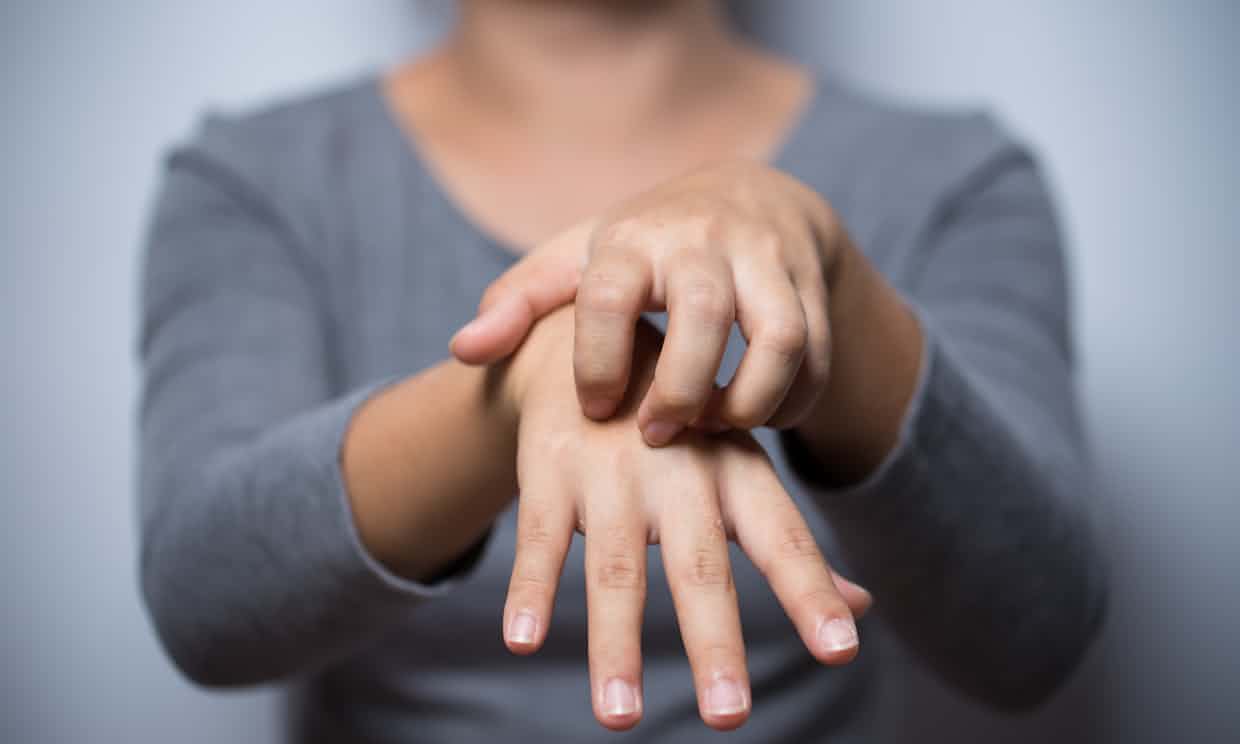
Eczema, which is characterised by dry, itchy, scaly patches of skin, affects 20-30 per cent of children and about one in 10 adults.
Deshan Sebaratnam, a fellow of the Australasian College of Dermatologists, said most patients suffered mild to moderate symptoms, but a minority experienced severe eczema head-to-toe.
"Because eczema is so common it's often considered a trivial condition … but eczema can be deadly because you're at increased risk of other infections," Dr Sebaratnam said.
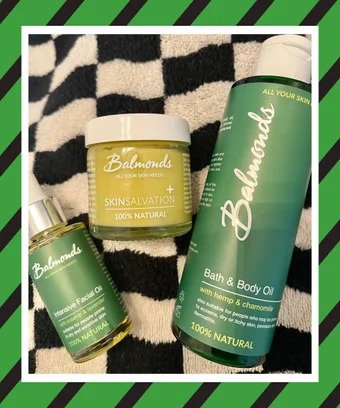
While most eczema medications are listed on the Pharmaceutical Benefits Scheme, the Eczema Association of Australasia (EAA) said many people fork out significant amounts of money on extra skin care measures and specialist visits.
"It can be up to $7,000 a year just for your over-the-counter and prescribed products," EAA president Cheryl Talent said.
"People with eczema, they may need to use a specialised topical cream three, four, five, six times a day. So you can imagine the amount that you're going through." Read More...