Eduardo Porter: Latin America’s stance on Ukraine is trapped in the past
-
 Loading...
 - Aharon Gamal
- 15 Mar 2023
- 74 Views
- 0 Like
- 0 Comment
How much do people in Latin America hate the U.S.?
The question is hardly new, but the war in Ukraine brings it up again: How can Latin American countries loudly committed to the principle of non-intervention shrug off the decision by an autocratic oligarch to send in the tanks to take over a smaller neighbor whose land and resources his country has coveted for centuries? The answer has little to do with what’s going on in the Donbas or Kyiv.
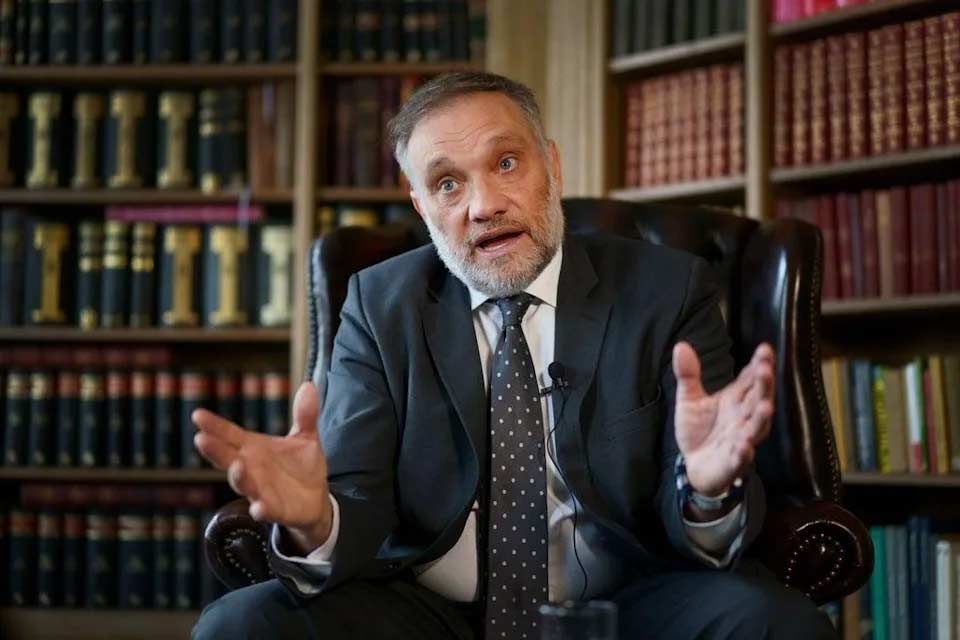
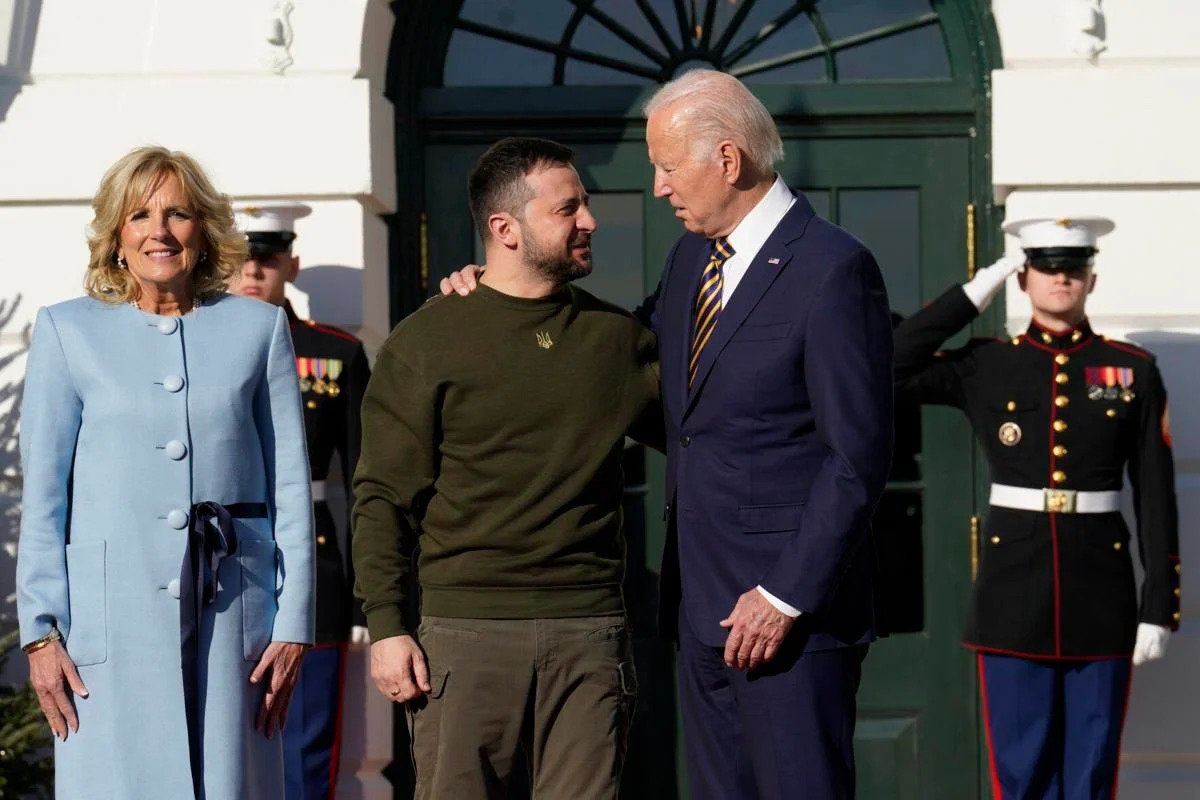
Who cares what Zelenskyy is saying about Russian war crimes? As Andrés Velasco, a former minister of finance and presidential candidate in Chile who is now at the London School of Economics, suggested: “One possible explanation is Pavlovian anti-Americanism: if the U.S. is backing Zelenskyy, that is not a family photograph in which they wish to appear.”
From Buenos Aires to Mexico City, left-leaning governments are falling along predictable lines drawn from 20th-century struggles in which Washington mostly played the bad guy.
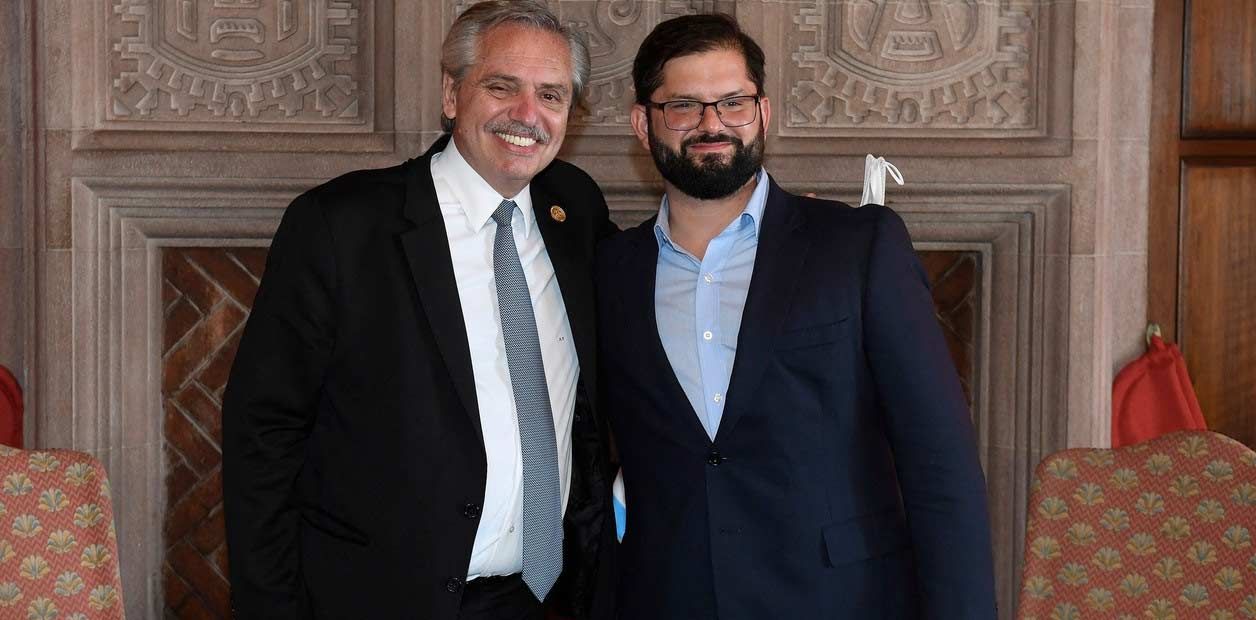
Latin American positions are not monolithic. They range from that of Mexico’s Andrés Manuel López Obrador, who blasted Germany’s decision to send Leopard tanks to Ukraine, garnering heartfelt thanks from the Russian embassy, to that of Chile’s Gabriel Boric who, alone in the region, emphatically condemned Russia’s invasion from the beginning.
In the middle, Brazil is working to walk back President Luiz Inácio Lula da Silva’s statement in the spring of 2022 that Zelenskyy “is as responsible as Putin for the war.” It signed onto the United Nations resolution last month placing responsibility for the conflict on Russia and offered to be a mediator. (In the region only Nicaragua voted against the resolution, while Cuba, Bolivia and El Salvador abstained.)
Anti-gringo bile may not be the exclusive motivation of their reluctance to take a stronger stance. The Cold War idea of non-alignment runs strong in Latin American foreign policy circles, not least for the protection it offers against being railroaded into uncomfortable positions. Read More…