Home Upload Photo Upload Videos Write a Blog Analytics Messaging Streaming Create Adverts Creators Program
Bebuzee Afghanistan Bebuzee Albania Bebuzee Algeria Bebuzee Andorra Bebuzee Angola Bebuzee Antigua and Barbuda Bebuzee Argentina Bebuzee Armenia Bebuzee Australia Bebuzee Austria Bebuzee Azerbaijan Bebuzee Bahamas Bebuzee Bahrain Bebuzee Bangladesh Bebuzee Barbados Bebuzee Belarus Bebuzee Belgium Bebuzee Belize Bebuzee Benin Bebuzee Bhutan Bebuzee Bolivia Bebuzee Bosnia and Herzegovina Bebuzee Botswana Bebuzee Brazil Bebuzee Brunei Bebuzee Bulgaria Bebuzee Burkina Faso Bebuzee Burundi Bebuzee Cabo Verde Bebuzee Cambodia Bebuzee Cameroon Bebuzee Canada Bebuzee Central African Republic Bebuzee Chad Bebuzee Chile Bebuzee China Bebuzee Colombia Bebuzee Comoros Bebuzee Costa Rica Bebuzee Côte d'Ivoire Bebuzee Croatia Bebuzee Cuba Bebuzee Cyprus Bebuzee Czech Republic Bebuzee Democratic Republic of the Congo Bebuzee Denmark Bebuzee Djibouti Bebuzee Dominica Bebuzee Dominican Republic Bebuzee Ecuador Bebuzee Egypt Bebuzee El Salvador Bebuzee Equatorial Guinea Bebuzee Eritrea Bebuzee Estonia Bebuzee Eswatini Bebuzee Ethiopia Bebuzee Fiji Bebuzee Finland Bebuzee France Bebuzee Gabon Bebuzee Gambia Bebuzee Georgia Bebuzee Germany Bebuzee Ghana Bebuzee Greece Bebuzee Grenada Bebuzee Guatemala Bebuzee Guinea Bebuzee Guinea-Bissau Bebuzee Guyana Bebuzee Haiti Bebuzee Honduras Bebuzee Hong Kong Bebuzee Hungary Bebuzee Iceland Bebuzee India Bebuzee Indonesia Bebuzee Iran Bebuzee Iraq Bebuzee Ireland Bebuzee Israel Bebuzee Italy Bebuzee Jamaica Bebuzee Japan Bebuzee Jordan Bebuzee Kazakhstan Bebuzee Kenya Bebuzee Kiribati Bebuzee Kuwait Bebuzee Kyrgyzstan Bebuzee Laos Bebuzee Latvia Bebuzee Lebanon Bebuzee Lesotho Bebuzee Liberia Bebuzee Libya Bebuzee Liechtenstein Bebuzee Lithuania Bebuzee Luxembourg Bebuzee Madagascar Bebuzee Malawi Bebuzee Malaysia Bebuzee Maldives Bebuzee Mali Bebuzee Malta Bebuzee Marshall Islands Bebuzee Mauritania Bebuzee Mauritius Bebuzee Mexico Bebuzee Micronesia Bebuzee Moldova Bebuzee Monaco Bebuzee Mongolia Bebuzee Montenegro Bebuzee Morocco Bebuzee Mozambique Bebuzee Myanmar Bebuzee Namibia Bebuzee Nauru Bebuzee Nepal Bebuzee Netherlands Bebuzee New Zealand Bebuzee Nicaragua Bebuzee Niger Bebuzee Nigeria Bebuzee North Korea Bebuzee North Macedonia Bebuzee Norway Bebuzee Oman Bebuzee Pakistan Bebuzee Palau Bebuzee Panama Bebuzee Papua New Guinea Bebuzee Paraguay Bebuzee Peru Bebuzee Philippines Bebuzee Poland Bebuzee Portugal Bebuzee Qatar Bebuzee Republic of the Congo Bebuzee Romania Bebuzee Russia Bebuzee Rwanda Bebuzee Saint Kitts and Nevis Bebuzee Saint Lucia Bebuzee Saint Vincent and the Grenadines Bebuzee Samoa Bebuzee San Marino Bebuzee São Tomé and Príncipe Bebuzee Saudi Arabia Bebuzee Senegal Bebuzee Serbia Bebuzee Seychelles Bebuzee Sierra Leone Bebuzee Singapore Bebuzee Slovakia Bebuzee Slovenia Bebuzee Solomon Islands Bebuzee Somalia Bebuzee South Africa Bebuzee South Korea Bebuzee South Sudan Bebuzee Spain Bebuzee Sri Lanka Bebuzee Sudan Bebuzee Suriname Bebuzee Sweden Bebuzee Switzerland Bebuzee Syria Bebuzee Taiwan Bebuzee Tajikistan Bebuzee Tanzania Bebuzee Thailand Bebuzee Timor-Leste Bebuzee Togo Bebuzee Tonga Bebuzee Trinidad and Tobago Bebuzee Tunisia Bebuzee Turkey Bebuzee Turkmenistan Bebuzee Tuvalu Bebuzee Uganda Bebuzee Ukraine Bebuzee United Arab Emirates Bebuzee United Kingdom Bebuzee Uruguay Bebuzee Uzbekistan Bebuzee Vanuatu Bebuzee Venezuela Bebuzee Vietnam Bebuzee World Wide Bebuzee Yemen Bebuzee Zambia Bebuzee Zimbabwe
Blog Image

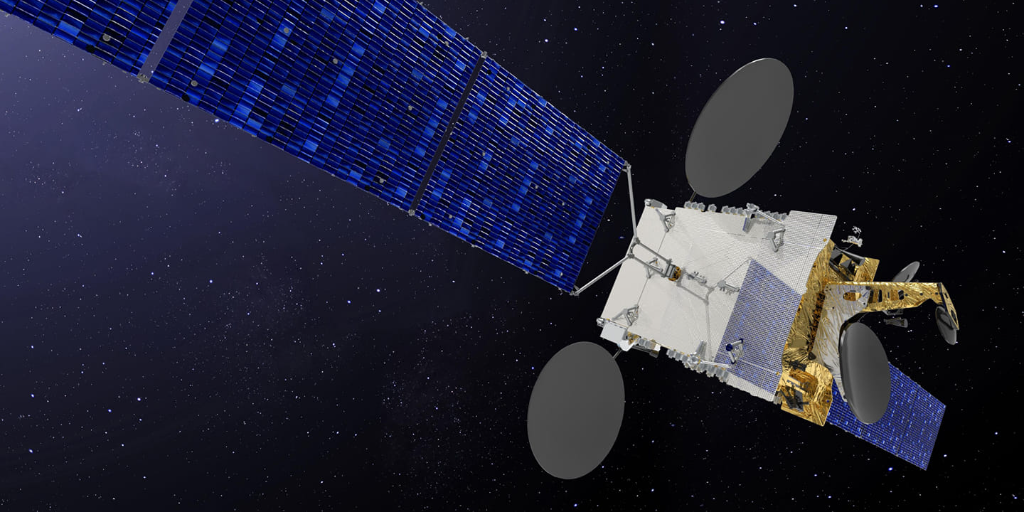
Egypt Has an Internet Issue, NileSat 301 Plans to Fix That

When Egypt launched NileSat 101, the Middle East’s first-ever telecommunications satellite, into space on 28 April 1998, it significantly improved the speed and quality of television service.

When Egypt launched NileSat 101, the Middle East’s first-ever telecommunications satellite, into space on 28 April 1998, it significantly improved the speed and quality of television service. Two decades, and two other launched NileSats later, NileSat 301 catapulted into orbit on 9 June 2022.

News of a satellite launching might not seem remarkable to many. Yet, much like NileSat 101, NileSat 301 plans on revolutionizing Egypt’s internet speed and expanding its television reach.

EGYPT’S INTERNET: IMPROVING SLOWLY BUT SURELY

Since the start of the COVID-19 pandemic in March 2020, and its subsequent lockdown, Egypt has been on a mission to deftly develop its internet quality. During the first months of the pandemic, in particular, Egypt’s lack of 4G and wireless broadband internet strength became apparent as homes across the nation experienced slow connection due to soaring nationwide internet usage.

In the months following the pandemic, a report issued by the Ministry of Communications and Information Technology indicated that internet penetration, reflecting the number of users who have access to the internet, stood at 57 percent as of September 2020, while phone penetration rate stood higher at 94 percent.

Despite the improvement, Egypt continues to fall behind in terms of speed and quality. Speedtest, a world-renowned internet quality measurement tool by network analytics company Ookla, measured Egypt at 83 out of 182 in terms of local broadband (domestic internet access), and 87 out of 141, in terms of mobile internet.

Egypt’s NileSat 301 aims to bring Egypt’s internet speed and quality to the next level, through a wider network infrastructure and stronger signals.

LAUNCHING EGYPT TO FASTER SPEEDS

The Egyptian government launched the new satellite as an upgrade to its withering predecessor, NileSat 201, set to decommission in 2028.

NileSat 301, which was a joint-venture between Thales Group and Leonardo, two multinational corporations in the electrical industry, was launched by Elon Musk’s private space manufacturers and launch provider, SpaceX.

“NileSat 301 will provide expanded broadband internet services to cover Egypt, including remote areas, new projects, infrastructure projects, and new urban communities, as well as gas and oil fields in the eastern Mediterranean,” says Ahmed Anis, Chief Executive Officer of NileSat.

The satellite will also include 38 channels, an upgrade from the 26 channels on Nilesat 201, covering signals from South Africa to the Nile Basin region.

Egypt’s NileSat 301 is the country’s seventh satellite, and it will not be the last, as the country continues to upgrade its telecommunication services. For now, Egypt‘s NileSat company expects it to become the latest upgrade, as the country expects to receive full operation and control of NileSat 301 on 20 July, with hopes of immediately reaping the boosted benefits it brings. Read More...



Previous Post

Beyooot — Egypt's first electronic platform using AR technology to export furniture

Next Post

New mobile operator given 5G licence

Comments