Elegant fireplace ideas for homes old and new
-
 Loading...
 - Freeling Lena
- 24 Feb 2023
- 66 Views
- 0 Like
- 0 Comment
Even if it is empty, a fireplace surround provides a focal point for the room and plenty of character as well
As the bleak nights of winter drag on, few things are more cheering than a proper fire. “A real fire breathes soulfulness into a room,” writes Nicola Harding. But it’s not always as simple as arranging logs and locating kindling. You may live in a ‘smokeless zone’, your fireplace could have been boarded up and your flue blocked off, or if you’re renovating a newly acquired property, you might have found yourself with something that isn’t in keeping either with the house or your decorating style.
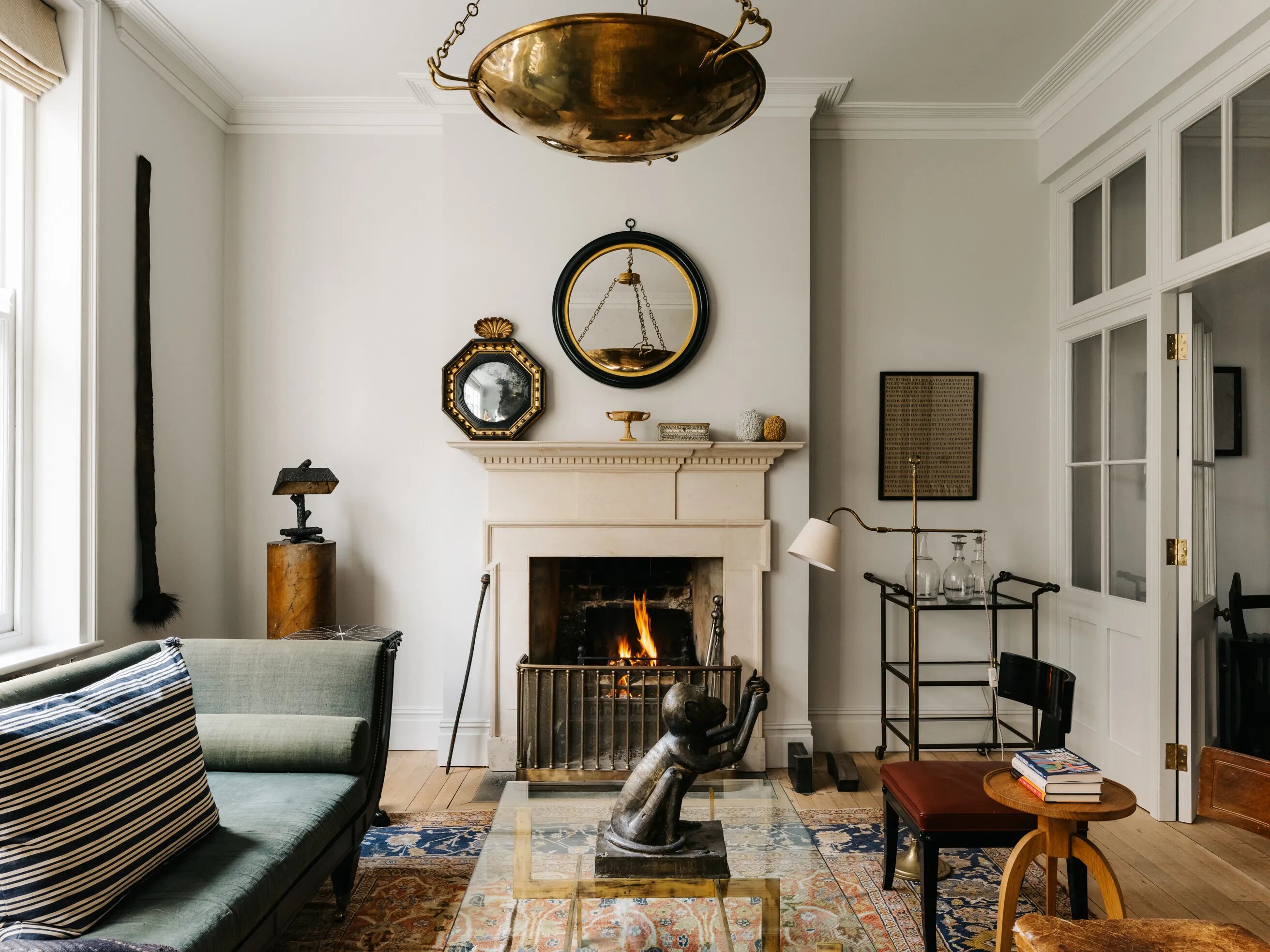
But it’s all remediable, and if your building is old, whether the flames are real, gas or bio ethanol (that last being carbon neutral), they will benefit from being framed by a period-appropriate fireplace. “And with all the components, you can create a feeling of a fire, even if you never actually light it,” says Tom Jackson, a director at Jamb, the interior industry’s go-to for exceptional antique and reproduction fireplaces.
But first things first. “If it’s an old house, and you have a chimney that hasn’t been used for a while and you want a real fire or a log-burner, you need to get a professional to survey the flue, and then the chimney sweep needs to come annually,” instructs Tom, pointing out that nobody wants a room filled with smoke or, worse, their roof to collapse. There will be flue specialists local to your area, else Turner & Baker work nationwide (and count the Duchy of Cornwall Estates among their clients) and can make any necessary repairs. “If you don’t have a chimney, or you live in a mansion block where the flues have been disabled, the answer is a vent-free fireplace,” says Tom – adding that if you’re going for gas, you need a Gas Safe Registered Engineer (and a carbon-monoxide detector). Either way, once the mechanics are sorted out, “that is when the exciting journey begins.”
The chimneypiece
Starting with the chimneypiece, also known as a mantlepiece or fire surround, “it comes down to the age of the house and the period or manner that you want, whether that is something pure and simple from the early 18th century, something grander and more elaborate from the high Georgian period, or something really bold such as early 20th century art deco.” Proportions can be tricky; you might spy a fireplace at auction or at a reclamation yard that is of the correct vintage, “but if it was designed for a larger room it won’t necessarily work – though it can be reproduced and then tailored to exactly the right size,” says Tom.
The other benefit of reproduction is being able to choose material. “Limestone has a softer texture which lends itself to the country house aesthetic, or you might want marble which is more refined and some think more appropriate for principal rooms such as a drawing room or a dining room. They’re both porous, so both pick up patina in time.” They start at a similar price, though more elaborate and rarer marbles are priced on a case-by-case basis. “Black marble completely changes the character of a room,” discloses Tom (and is a favourite of House & Garden contributing editor Rita Konig. Wood is usually the least costly option (depending on how much carving there is) and for those for whom Jamb isn’t economically viable, Vinterior generally has a range of affordable options, or you can have something designed by a joiner. Do remember wood can be painted; whether decoratively, as Molly Mahon and Victoria von Westenholz’s fireplaces are, or to resemble something else - Bridie Hall’s MDF chimneypiece is almost indistinguishable from marble. Read More…