Elevating Your Night Sky Photography: 5 Essential Tips
-
 Loading...
 - Gunter Lanzo
- 23 Aug 2024
- 46 Views
- 0 Like
- 0 Comment
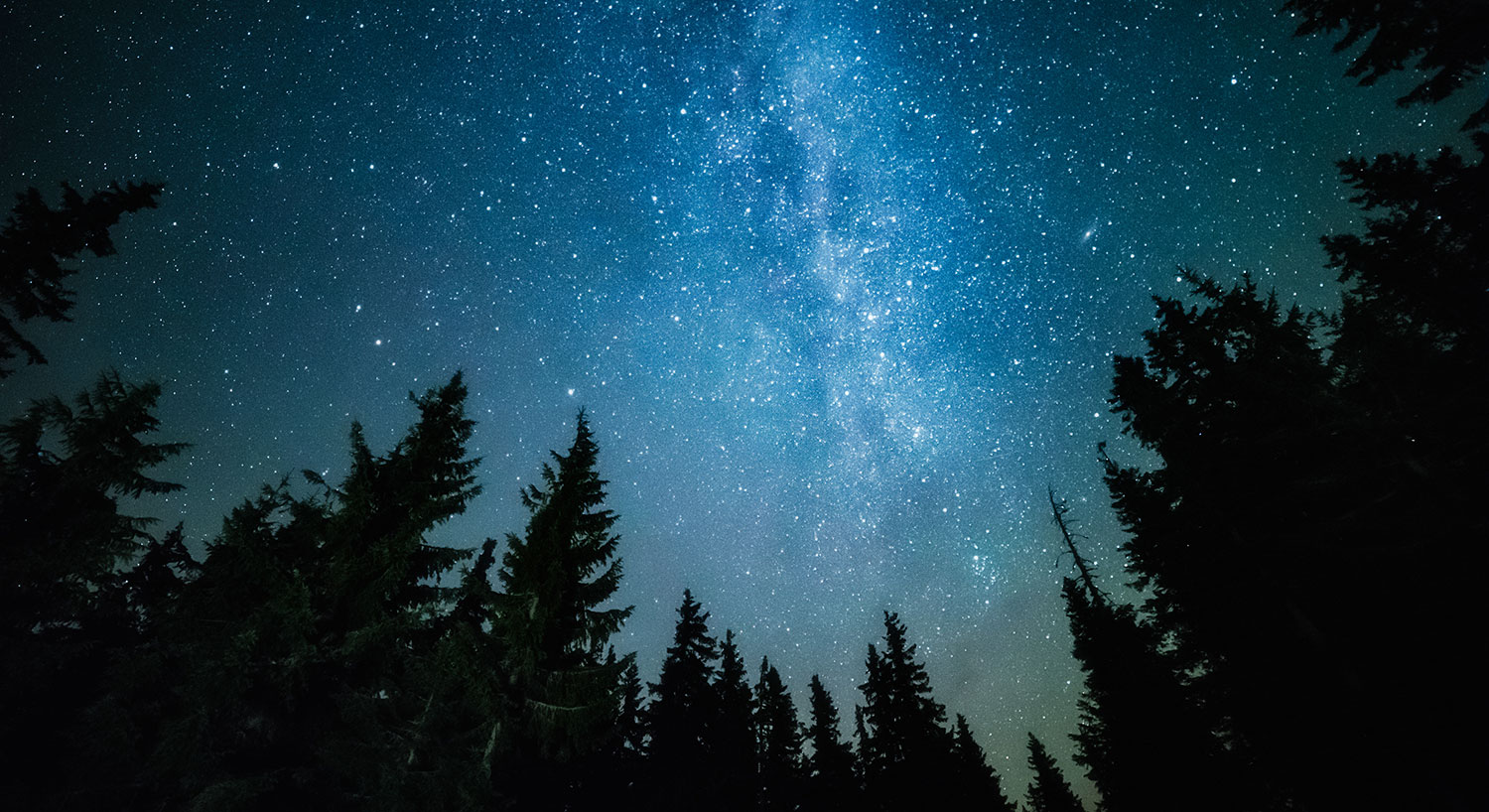
Capturing the beauty of the night sky can be a thrilling experience for photographers. However, it requires a combination of technical skills, patience, and practice. To help you improve your night sky photography, here are five essential tips to get you started.
Tip 1: Locate Dark Skies
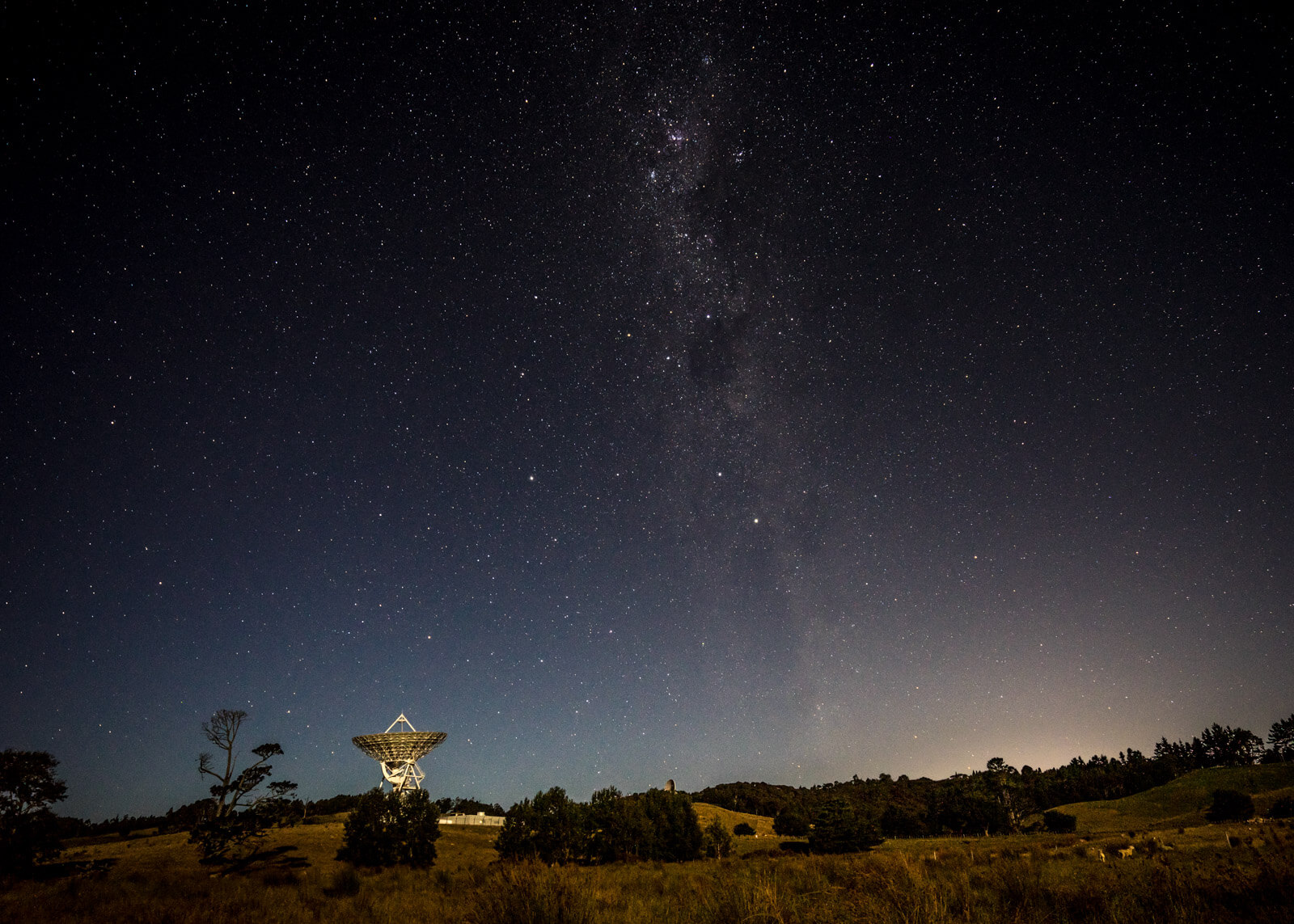
The first and most crucial step in capturing stunning night sky photographs is to find a location with minimal light pollution. Light pollution can make it difficult to capture the stars and other celestial objects, resulting in poor image quality. Prepare for your night sky adventures by packing the right clothing and gear to protect yourself from the cold, wind, and any unexpected weather conditions.
Don't forget to bring a flashlight to help you navigate in the dark, and consider using a red-light filter to preserve your night vision. Additionally, be mindful of your surroundings and take safety precautions to ensure a successful and enjoyable photoshoot.
Tip 2: Prepare Your Equipment
To capture high-quality night sky photographs, you'll need a camera, lens, and tripod. A full-frame sensor camera is an advantage in night sky photography, but it's not necessary. A lens with an aperture of f/2.8 or wider is recommended, as it allows more light to enter the camera. A sturdy tripod is also essential to prevent camera shake and ensure sharp images.
Tip 3: Shoot in Manual Mode
Shooting in manual mode gives you control over the camera settings, allowing you to adjust the aperture, ISO, and shutter speed to capture the desired image. Start with a basic setting of f/2.8, ISO 1600, and a shutter speed of 15 seconds. Adjust these settings based on the ambient light and the type of night sky photograph you're trying to capture.

Tip 4: Focus on the Stars
Autofocusing on the night sky doesn't work, so you'll need to use manual focus. One method is to zoom in on the brightest star in the sky using the live view screen, and then adjust the focus ring until the star appears as a small pinpoint. Take a picture and zoom in to check if the stars are sharp. If not, adjust the focus ring and try again.
Tip 5: Practice and Be Patient
Night sky photography requires practice and patience. It's essential to be prepared to spend hours outside, waiting for the right moment to capture the perfect shot. Practice your camera settings, focus, and composition to improve your skills. Don't be discouraged if your first attempts don't turn out as expected – keep trying, and you'll eventually capture stunning night sky photographs.
By following these five essential tips, you'll be well on your way to capturing breathtaking night sky photographs. Remember to always practice patience and persistence, as they are key to achieving success in night sky photography.