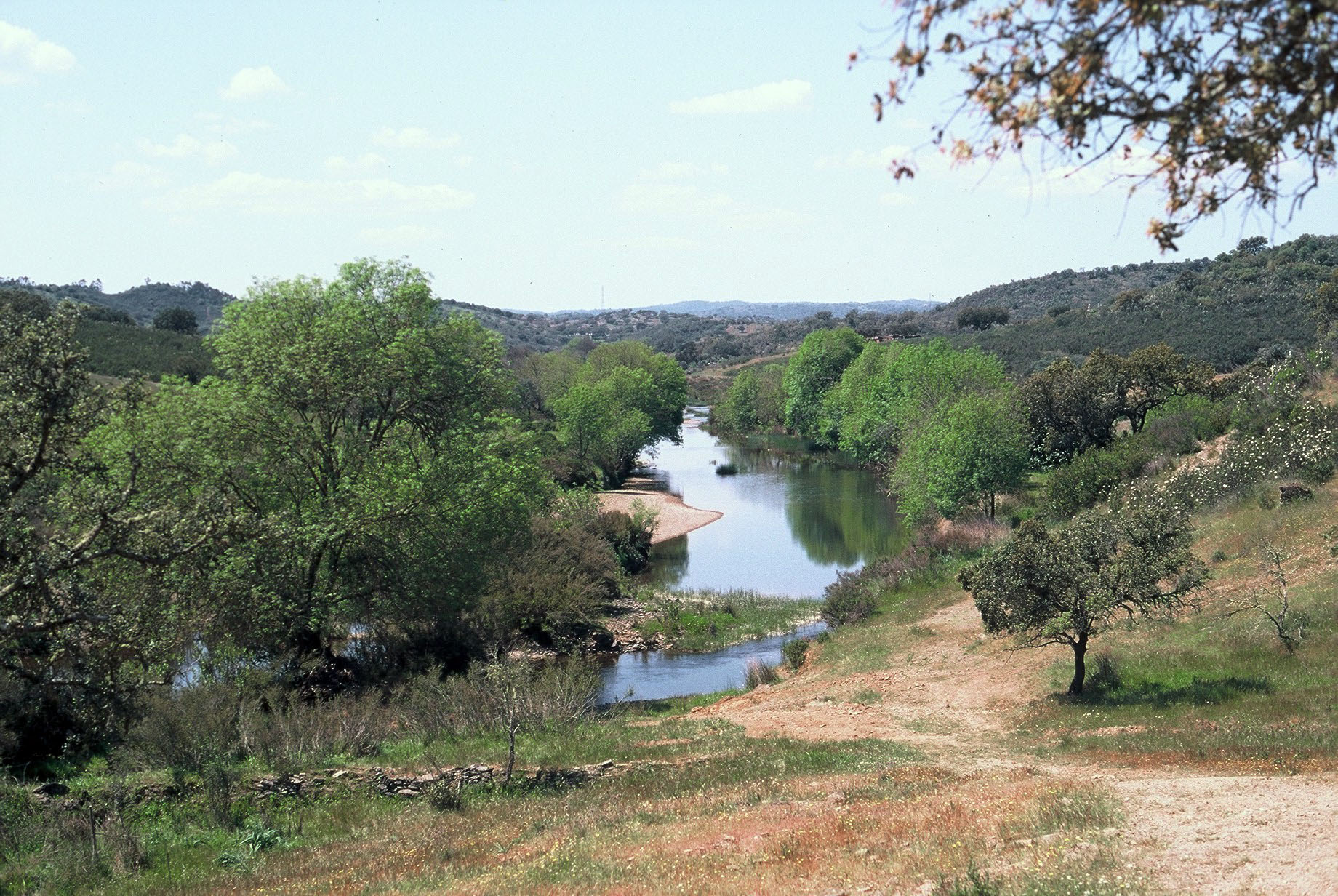
Environmentalists Aim to Restore Portuguese River
-
 Loading...
 - Richard Moore
- 08 Jul 2024
- 65 Views
- 0 Like
- 0 Comment
The Vascão River, one of 11 European watercourses targeted for restoration, is at the forefront of efforts to mitigate drought impacts and promote biodiversity, as advocated by the Associação Natureza Portugal/World Wide Fund for Nature (ANP/WWF).
According to Greensavers, this stream, also known as the Vascão River, originates in the Caldeirão mountain range, between Alentejo and Algarve, and flows into the Guadiana River. It is included in the Rivers2Restore report published by ANP/WWF in association with WWF. This report highlights 11 river recovery projects across Europe, including initiatives in Portugal, Austria, Finland, Germany, Greece, Italy, Latvia, the Netherlands, Romania, Slovakia, and Spain.
The proposed interventions for these European rivers aim to "reduce the impact of drought, benefiting people and biodiversity." These interventions involve "immediate action" from source to mouth, focusing on eliminating existing barriers, "restoring Europe's rivers," and "helping to meet the nature recovery objectives recently agreed by the European Union (EU)," as stated by the ANP/WWF.
“Restoring rivers by removing barriers and allowing the river to flow from source to mouth helps to limit climate disasters such as drought or flooding,” the association argued.
Maria João Costa, the association's Water Coordinator, emphasized the importance of the Guadiana basin, describing it as "one of the aridest and drought-prone in Europe" and home to several endangered species needing habitat restoration. She added, “Restoring rivers means protecting nature, but also people: healthy rivers play a vital role in preventing droughts, supporting biodiversity and are also essential for ensuring quality and abundant water.”
The project for the Vascão River includes the "elimination of 17 obsolete river barriers" along its entire route. This action will enhance "the functioning of the river ecosystem through the restoration of ecological connectivity and increased availability of habitats." Removing these obstacles will improve fish migration routes, provide habitats for species like the European otter, and enhance water quality and availability. These improvements can, in turn, foster job creation and boost tourism revenue.
The environmental association also urged the European Commission to encourage national governments to prioritize river recovery, specifically through the creation of a nature recovery fund. This initiative underscores the importance of restoring rivers not just for ecological reasons but also for the socio-economic benefits they bring to local communities.


