Ethiopia sees budget deficit at 2.1% of GDP next fiscal year
-
 Loading...
 - Ajoba Frimpong
- 13 Sep 2024
- 86 Views
- 0 Like
- 0 Comment
Ethiopia's finance minister, Ahmed Shide, has announced that the country's budget deficit is estimated to be 2.1% of gross domestic product (GDP) for the next fiscal year. This comes as the East African country is emerging from several economic shocks, including the COVID-19 pandemic, a devastating two-year war in the northern Tigray region, and extreme weather events.
Despite these challenges, the government is optimistic about the country's economic growth, expecting it to increase to 8.4% in the fiscal year starting in July, up from 7.9% this year. However, the country is still struggling with high inflation and chronic foreign currency shortages, which have led to a default on its debt in December.
The government's priorities for the year include controlling inflation, solving foreign exchange shortages, reducing debt to healthier levels, and fixing the country's balance of payments deficit. To achieve these goals, the government has set a budget spending of 971.2 billion birr ($17 billion) for the next year, which is a 21.1% increase from the previous year.
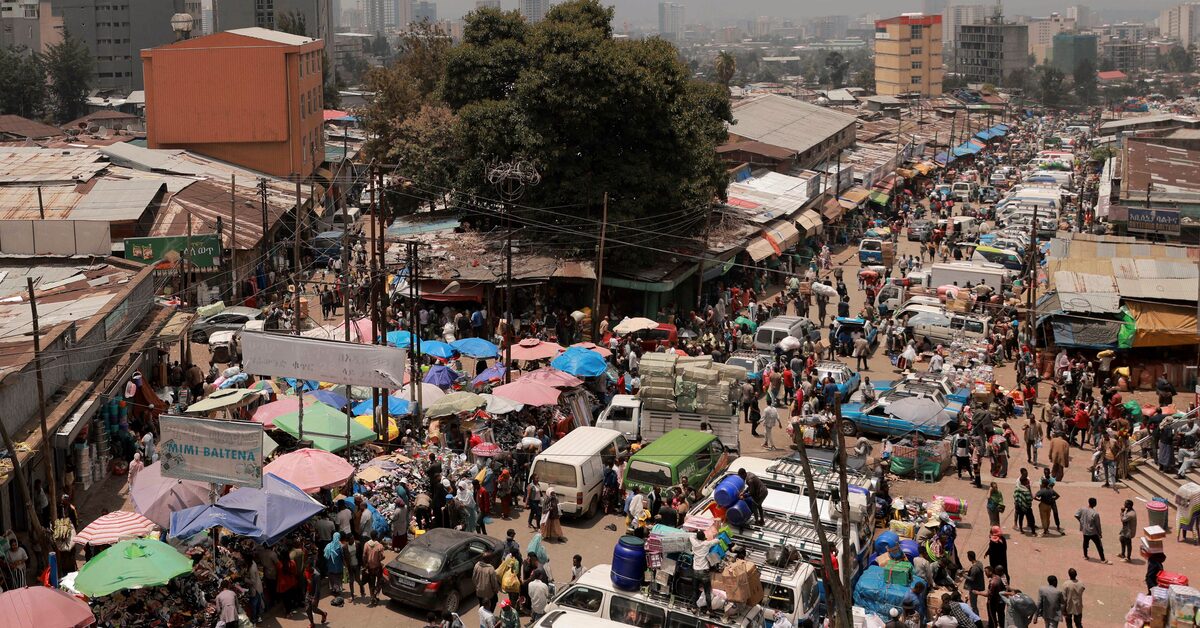
Revenues, including external assistance, are estimated to be 612.7 billion birr. However, analysts believe that Ethiopia may need to agree to a significant currency devaluation to secure a rescue loan from the International Monetary Fund (IMF). The country's tightly controlled official exchange rate has led to a flourishing black market, where the birr trades at around twice as weak as the official rate.
Overall, Ethiopia's economic outlook is complex, with both challenges and opportunities. The government's efforts to address the country's economic challenges will be crucial in determining the country's future economic growth and stability.