Even in their own environment, specialist microbes are dominated by generalists
-
 Loading...
 - Gerrits Lucas
- 07 Apr 2023
- 76 Views
- 0 Like
- 0 Comment
Within ecology, organisms are called generalists when they occur in many different types of environment. But how do you define these environments? Von Meijenfeldt: "For a bacterium, a human gut may be virtually the same environment as a monkey's gut. On the other hand, a certain pond may be a completely different environment for a microbe than another pond."
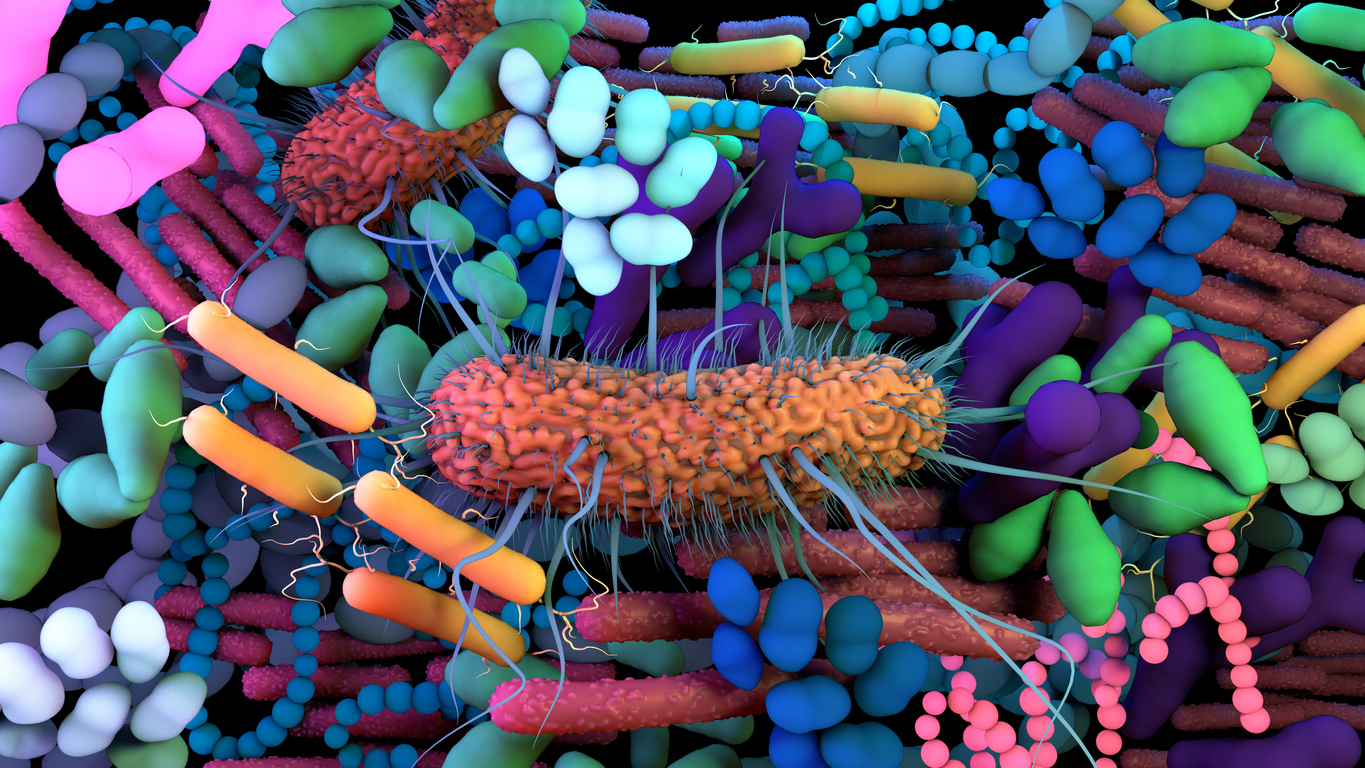
The researchers chose to develop a new method to overcome this problem. Von Meijenfeldt: "We decided to look at microbiomes, communities of microorganisms. If two different samples contained the same combinations of microorganisms in the same proportions, we considered the two samples to belong to the same microbiome. We then determined the total number of microbiomes that were present in our data set. We referred to microorganisms that occurred in several of those microbiomes as generalists, and we classified microorganisms that were found in only one microbiome as specialists."
Generalists turn out to be opportunistic: if conditions are right, they overgrow everything.
Generalists dominate
Remarkably, the researchers found that generalists dominated in most samples, meaning that they occurred in greater numbers than specialists. This goes against the prevailing idea that generalists are usually unable to compete with local specialists. Von Meijenfeldt: "The idea is that generalists can do everything, but only just a little bit of everything. And that specialists are highly adapted to their own environment. Therefore, the expectation was that specialists would dominate locally. But what we see is exactly the opposite. Generalists turn out to be opportunistic: if conditions are right, they overgrow everything. Specialists occurred in lower, but more stable, numbers." Read More…