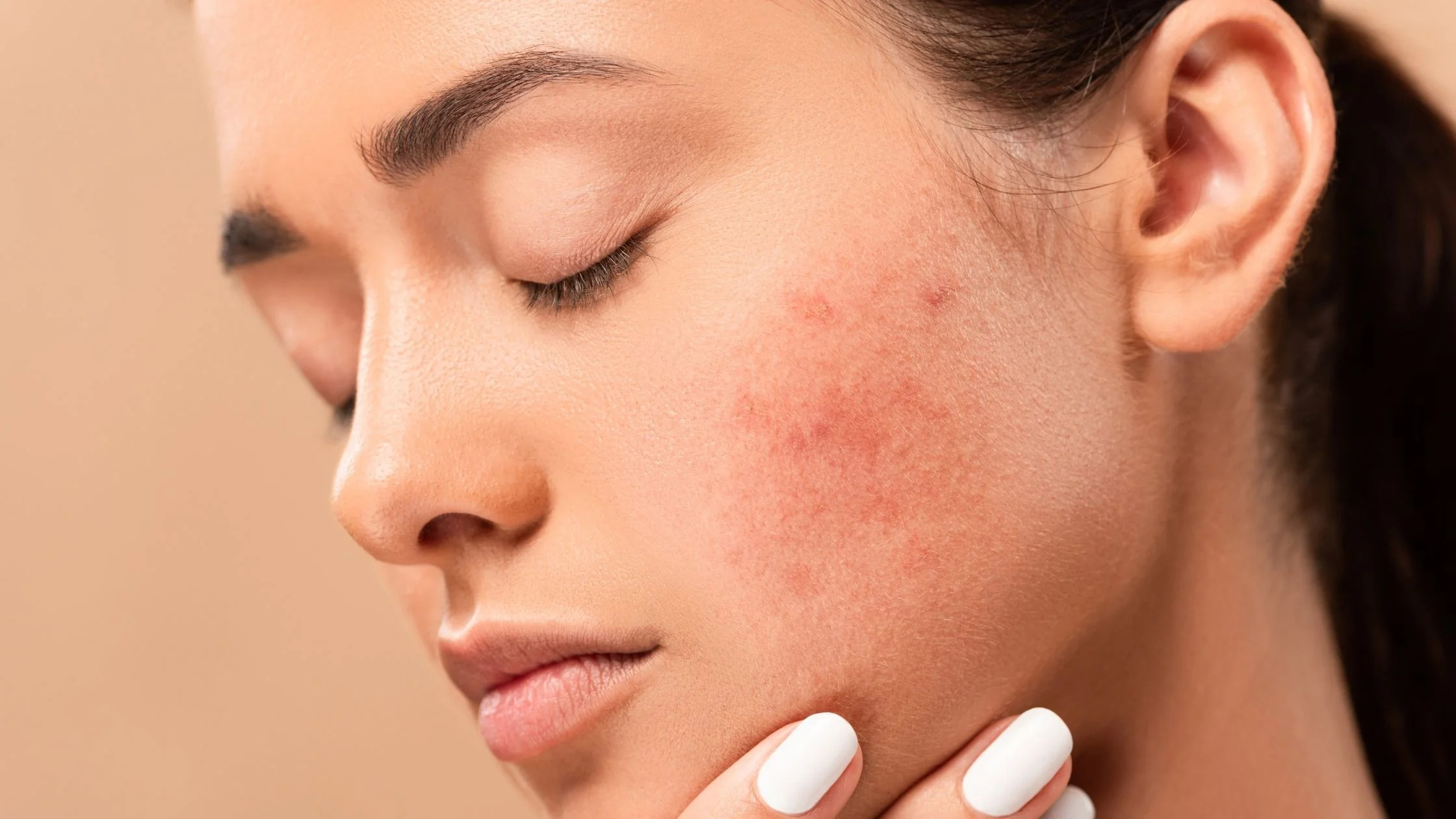
Everyday Habits That Could Be Worsening Your Acne Woes
-
 Loading...
 - Andreas Lehmann
- 26 Jul 2024
- 57 Views
- 0 Like
- 0 Comment
The dreaded acne - that pesky skin condition that can leave us feeling self-conscious and frustrated, no matter our age. While we may think we're doing everything right in our skincare regimen, there could be some everyday habits lurking in the background that are actually making our acne even worse. From the foods we eat to the way we handle our smartphones, the seemingly innocuous choices we make on a daily basis can have a significant impact on the health and appearance of our skin.
In this article, we'll dive into the common everyday habits that could be exacerbating your acne woes, and uncover simple yet effective strategies to help you get that clear, glowing complexion you've been longing for. So, let's get started and take control of our skin's destiny, one habit at a time!

Touching Your Face Too Much
It's a habit that's all too easy to fall into - absentmindedly resting your chin in your hand or constantly adjusting your glasses throughout the day. But did you know that this seemingly innocent gesture could be a major contributor to your acne breakouts?
Our hands come into contact with all sorts of germs, bacteria, and oil throughout the day, and every time we touch our faces, we're essentially transferring all of that gunk directly onto our skin. This can clog pores, lead to inflammation, and ultimately worsen existing breakouts or even trigger new ones.
To combat this, make a conscious effort to keep your hands away from your face as much as possible. If you find yourself reaching up to touch your skin, gently remind yourself to stop and find an alternative, like playing with a fidget spinner or squeezing a stress ball instead. Additionally, be sure to wash your hands thoroughly before and after applying any skincare products to minimize the spread of bacteria.

Forgetting to Manage Stress
Stress can have a significant impact on our skin, as it can trigger the release of hormones that can contribute to acne. Finding healthy ways to manage stress is crucial for maintaining clear, healthy skin.
Include stress-relieving practices in your daily routine, such as yoga, meditation, or just taking frequent pauses.

Picking at Your Skin
It can be tempting to pick at blemishes, but this can actually make the problem worse. Picking at your skin can lead to further irritation, inflammation, and the potential for scarring.
Instead of giving in to the temptation to pick at your skin, try a spot treatment or consult a dermatologist for medical attention.

Sleeping with Makeup On
We've all been there - it's been a long, tiring day, and the thought of going through a full cleansing routine just seems like too much effort. But skipping this crucial step can wreak havoc on your skin, especially if you're already struggling with acne.
When you sleep with makeup, sunscreen, and other products still on your face, you're essentially trapping all of that grime, oil, and bacteria on your skin overnight. This can clog pores, lead to inflammation, and even cause new breakouts to form. Plus, your skin won't be able to properly repair and regenerate itself while you snooze.
Make it a non-negotiable habit to remove your makeup and thoroughly cleanse your face every single night before bed. Opt for a gentle, non-comedogenic (non-pore-clogging) cleanser, and don't forget to pay special attention to areas like the T-zone, where oil production tends to be the highest. Your skin will thank you for the extra effort!

Eating Acne-Triggering Foods
You are what you eat, and that adage certainly holds true when it comes to the health and appearance of your skin. While there's no one-size-fits-all "acne diet," certain foods have been shown to exacerbate breakouts and inflammation.
Culprits like refined carbohydrates, sugary treats, and dairy products can all contribute to acne by spiking your insulin levels and promoting the production of sebum, the oil that can clog your pores. Additionally, foods high in unhealthy fats, such as fried and processed items, can also trigger inflammation and worsen existing blemishes.
To combat this, try to incorporate more anti-inflammatory, nutrient-dense foods into your diet, such as leafy greens, berries, fatty fish, and probiotics. Limit your intake of the acne-triggering suspects, and pay attention to how your skin reacts to different foods. With a little experimentation, you can uncover the dietary changes that work best for your individual skin type and needs.
Skipping the Sunscreen
While it may seem counterintuitive, skipping the sunscreen can actually exacerbate your acne woes. Exposure to UV rays can cause inflammation, dryness, and increased oil production - all of which can lead to more breakouts.
But that's not all - the sun's rays can also darken existing blemishes and make them more noticeable, which can further diminish your confidence and self-esteem. And let's not forget the long-term damage that unprotected sun exposure can do to your skin, including premature aging and an increased risk of skin cancer.
To keep your acne in check and protect your skin from the sun's harmful effects, be sure to apply a broad-spectrum, non-comedogenic sunscreen every single day, even on cloudy or overcast days. Look for a formula that's labeled "oil-free" or "non-acnegenic" to avoid clogging your pores, and reapply every two hours or after swimming or sweating.

Neglecting to Cleanse After a Workout
There's nothing quite like the post-workout glow, but if you don't properly cleanse your skin afterward, that sweat and bacteria can quickly turn into a recipe for disaster.
During exercise, your pores open up to release sweat and flush out toxins, but if you don't wash your face soon after, all of that gunk can get trapped and lead to clogged pores and breakouts. Plus, the friction from your workout gear, like headbands or hats, can also contribute to acne by irritating the skin.
To prevent this, make sure to cleanse your face as soon as possible after your workout, using a gentle, non-irritating cleanser. Avoid scrubbing too hard, as this can further aggravate your skin. If you can't get to a sink right away, keep some oil-blotting papers or face wipes on hand to quickly remove excess oil and sweat until you can properly cleanse.
Neglecting to Properly Wash Your Pillowcase
Your pillowcase may seem like an innocent bystander in your acne journey, but it can actually be a major contributor to your skin woes. Think about it - every night, you're resting your face on the same surface, and all of the oil, dirt, and bacteria that accumulate can get transferred back onto your skin, leading to clogged pores and breakouts.
To combat this, be sure to wash your pillowcase regularly, ideally once a week, using a gentle, fragrance-free detergent. You can also consider switching to a silk or satin pillowcase, as these materials are less likely to absorb and retain oils and bacteria compared to traditional cotton.
Conclusion
Acne can be a frustrating and persistent skin condition, but by being mindful of the everyday habits that could be exacerbating your breakouts, you can take proactive steps to achieve clearer, healthier-looking skin. From avoiding excessive face-touching to maintaining a consistent cleansing routine, the small changes you make in your daily life can have a big impact on the overall health and appearance of your complexion.
Remember, everyone's skin is unique, so it may take some trial and error to figure out which habits are truly problematic for you. But with a little patience and persistence, you can break the cycle of acne and finally enjoy the confidence that comes with a clear, glowing complexion.
Tackling acne requires a multi-faceted approach, and being mindful of the everyday habits that could be contributing to your skin woes is a crucial first step. By making simple changes to your routine, you can take control of your acne and enjoy the confidence that comes with clearer, healthier-looking skin.