Everything you need to know before hitting Thailand's temples, beaches and jungles

However, there are a few things every traveler should know. Here are our top tips for making the most of your trip.
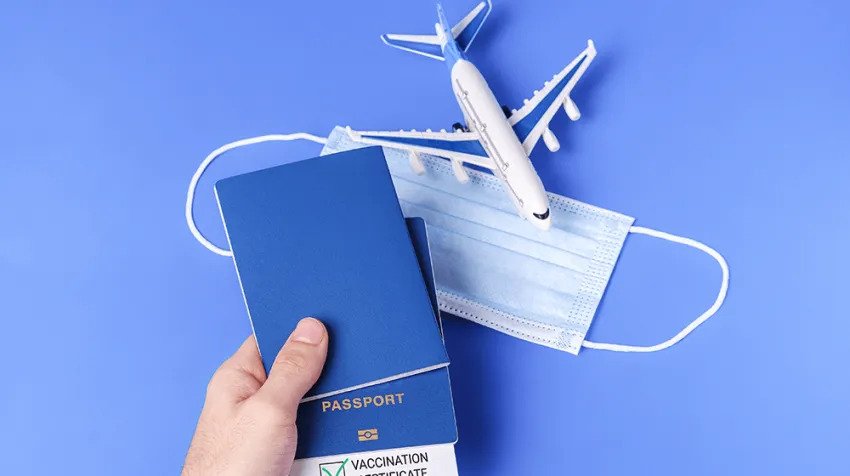
Get your jabs before you go
You’ve probably already been jabbed for COVID-19, but most doctors also recommend vaccination against tetanus and hepatitis A. Also consider a rabies shot – dogs, cats and monkeys can all carry the viral disease. Malaria is present along the borders with Laos, Cambodia, Myanmar and Malaysia. If you visit these regions, use anti-malarial prophylaxis such as atovaquone/proguanil or doxycycline.
Check the weather or get soggy
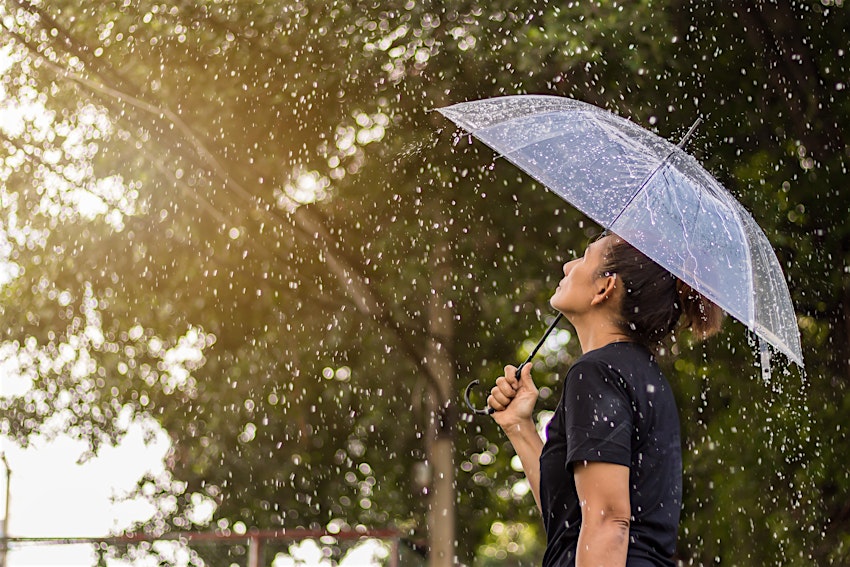
The June to October rainy season brings heavy showers and regular storms to northern, central and southwestern Thailand, creating dangerous conditions for travel by sea. The southeast coast and the Gulf of Thailand get soaked slightly later, from October to December.
Rainy-season travel means lower prices and smaller crowds, but some accommodations close and many island ferries stop running, including services to the Tarutao archipelago.
Sensible travelers to Thailand book ahead
If you have your heart set on a particular boat journey, train trip, trek, tour or boutique stay, book ahead for the busy tourist season from November to March, or during any religious holiday. During the rainy season, call or email ahead to check places are open.
Etiquette in Thailand
The Thais are famously welcoming to outsiders, but there are some social rules to know.
Meeting Thai people for socializing or business
When meeting locals in Thailand, the standard greeting is the wai – a respectful dip of the head with the hands held palms together in front of the chest. Don’t shake hands unless the other person initiates the handshake. If you get invited into a Thai home, remove your shoes before you enter and avoid pointing the soles of your feet towards another person.
Understanding Buddhist manners in Thailand
Some 95% of Thais are Buddhist, and the national religion weaves through every aspect of life. To show proper respect, remove footwear before entering any Buddhist structure, and wear clothing that covers the shoulders and upper arms and upper legs.
Never point the soles of your feet towards any Buddhist image (or monk), and don’t touch Buddha statues on the head. Give way to monks when walking on footpaths, and don’t sit next to them on public transport. It is also taboo for a woman to touch a monk or their belongings.
Thai modesty
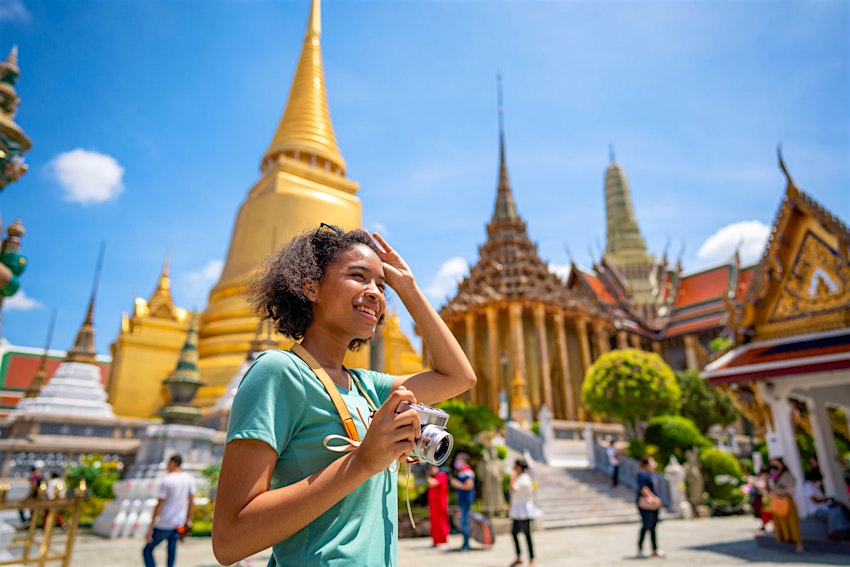
Thai women and men usually avoid revealing outfits that show off a lot of skin. Swimsuits are fine for the beach, but away from the sand, throw on a sarong or fishermen's pants, plus something that covers the shoulders if you visit religious sites. Topless or nude sunbathing is frowned upon and can attract unwanted attention. Read More…