Exercise guidelines for thalassemia patients
-
 Loading...
 - Ayame Hayashi
- 09 Jun 2023
- 306 Views
- 0 Like
- 0 Comment
Regular physical exercise and activity play a crucial role in promoting overall well-being and health, even for individuals with thalassemia. Despite the challenges posed by this inherited blood disorder, incorporating appropriate exercise routines can yield numerous advantages.
In this article, we will explore the significance of regular workouts and physical activity for thalassemia patients. We will provide specific guidelines and recommendations to ensure a safe and effective fitness routine.
Recognizing the Importance of Exercise for Thalassemia Patients

Exercise offers several benefits for individuals living with thalassemia. Firstly, it aids in improving cardiovascular health by enhancing the function of the heart and lungs. Secondly, regular workouts assist in maintaining a healthy body weight and managing iron overload, which is a common concern for thalassemia patients. Lastly, exercise contributes to boosting mood, reducing stress levels, and enhancing overall quality of life.
Seek Guidance from Healthcare Professionals
Before commencing any exercise program, it is essential for thalassemia patients to consult with their healthcare team. The severity of thalassemia and individual health considerations can vary, necessitating personalized workout recommendations. Healthcare professionals can provide guidance based on specific needs and limitations.
Opt for Low-Impact and Moderate Exercises
Thalassemia patients should focus on low-impact and moderate workouts that minimize strain on the joints and muscles. Activities such as brisk walking, swimming, cycling, and yoga are excellent options. These exercises promote cardiovascular fitness, improve muscle tone, and enhance flexibility without exerting excessive stress on the body.
Gradually Increase Exercise Intensity and Duration
Thalassemia patients should start with low intensity and gradually increase both the intensity and duration of their workout routines. This progressive approach allows the body to adapt and reduces the risk of overexertion. It is important to listen to the body's signals and avoid pushing beyond its limits.
Incorporate Strength Training
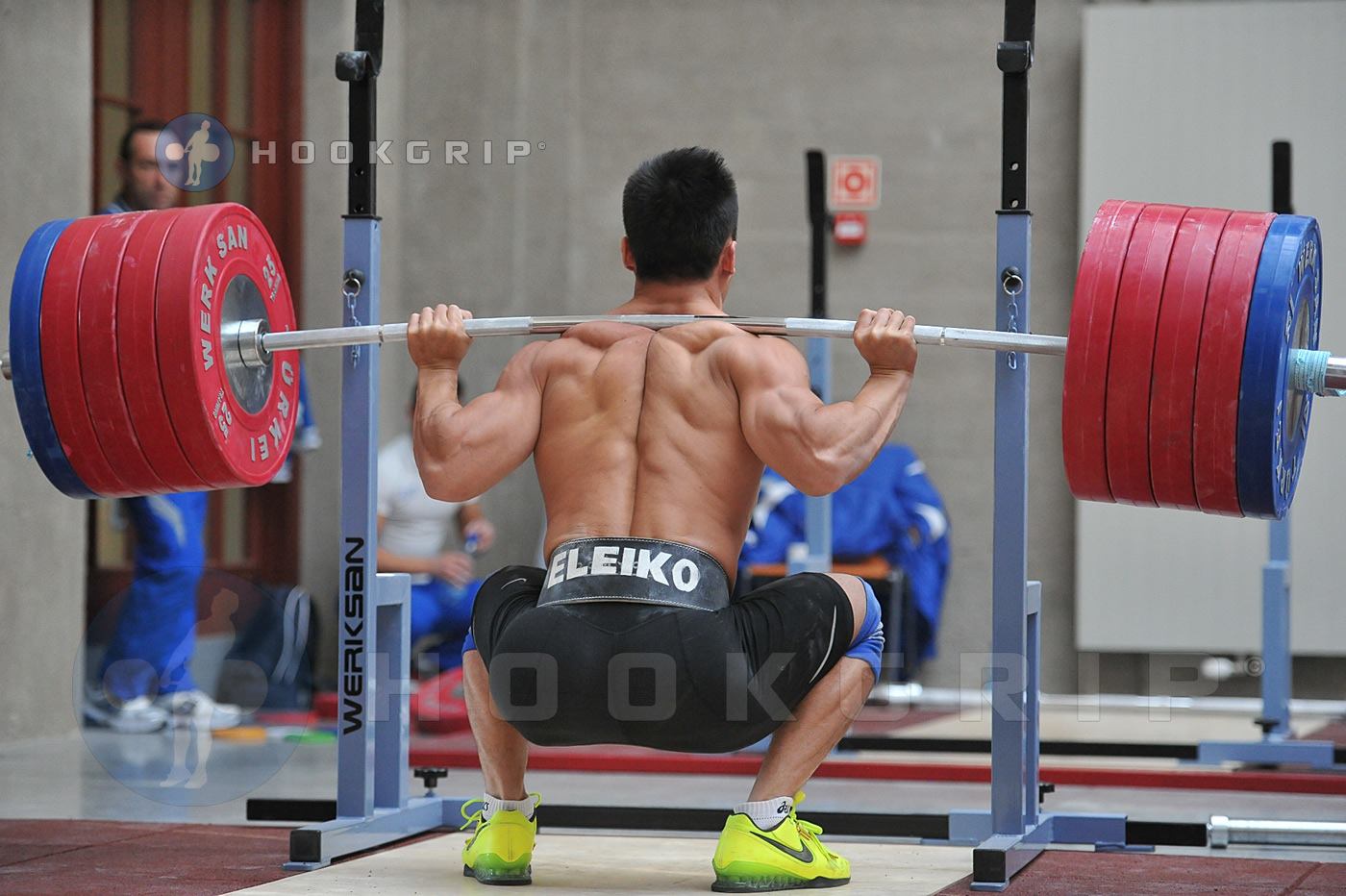
Incorporating strength training exercises can be beneficial for thalassemia patients. However, it is crucial to begin with light weights and focus on maintaining proper form. Strength training helps build muscle strength, improve bone density, and support overall physical functioning.
Stay Hydrated and Manage Fatigue
Thalassemia patients may experience fatigue more easily. It is essential to stay hydrated before, during, and after workouts. Adequate hydration supports optimal muscle function and helps prevent complications. It is important to listen to the body's signals and rest when necessary.
Monitor and Manage Iron Levels

Thalassemia patients often require regular blood transfusions, which can lead to iron overload. Prioritizing iron chelation therapy and working closely with healthcare professionals to manage iron levels is crucial. Excessive iron can affect workout tolerance, so regular monitoring of iron levels is essential.
Incorporating regular exercise and physical activity into the lives of thalassemia patients can bring significant benefits. By following the specific guidelines and recommendations provided by healthcare professionals, individuals with thalassemia can enjoy an improved quality of life. Remember that it is important to tailor exercise routines to individual abilities and consult healthcare professionals for personalized advice.