Extreme water rafting tips
-
 Loading...
 - Boris Yeltsov
- 12 Apr 2023
- 67 Views
- 0 Like
- 0 Comment
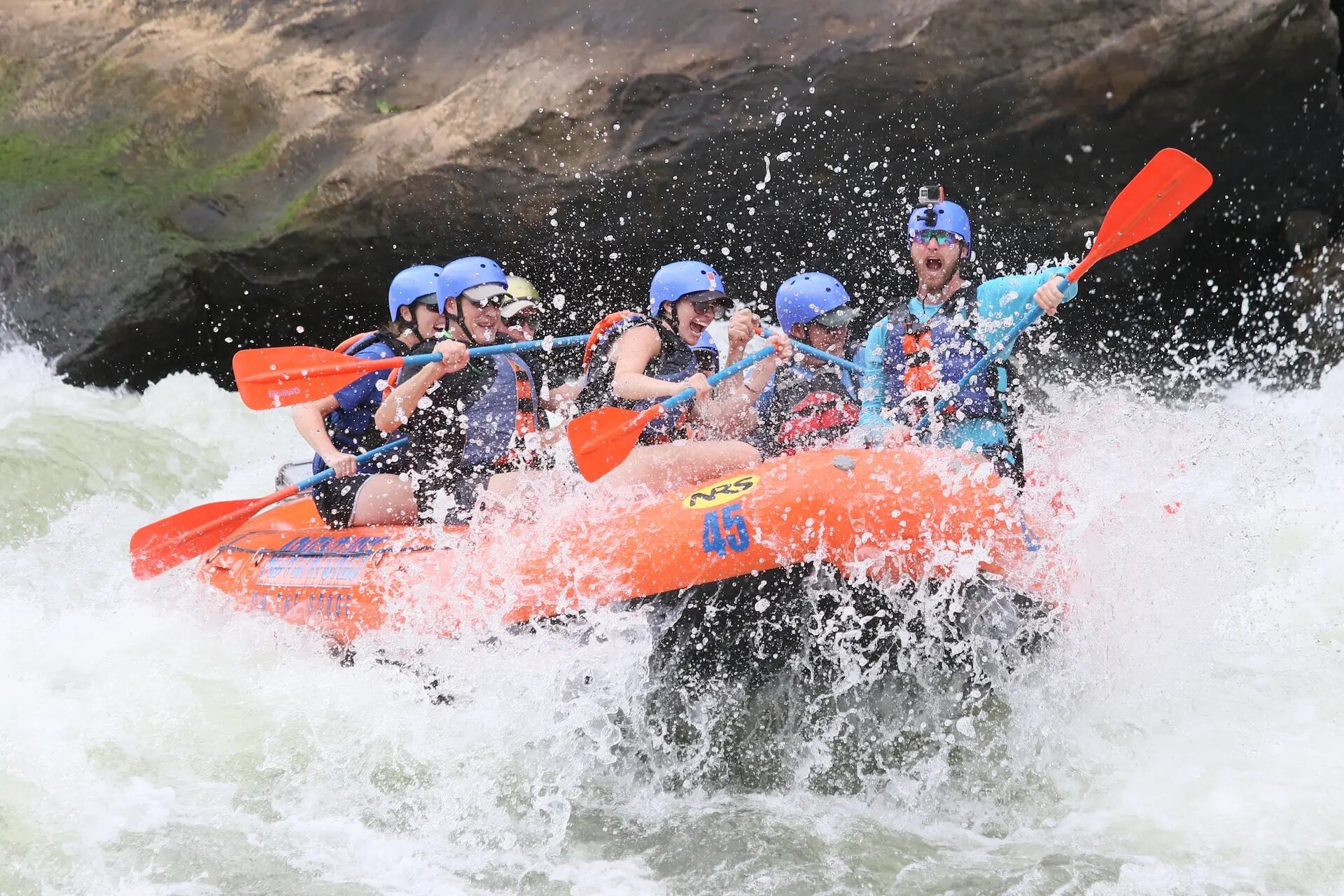
Whitewater rafting is an exhilarating adventure and an excellent way to have fun. However, you must adhere to certain rules in order to make your trip safe and enjoyable for everyone involved.
If you capsize, stay upright with your feet up high and head facing downstream for the best chance of not being pushed into rocks. This will increase your chance of staying safe.
1. WEAR YOUR PERSONAL FLOATATION DEVICE
PFDs (personal flotation devices) are essential when water rafting and should always be worn. Not only will these keep you afloat, but they can also prevent drowning and provide assistance in emergency situations. PFDs come in a range of sizes and styles, so you can find one to suit your rafting needs and style. Some are specifically designed for certain activities like whitewater kayaking or paddleboarding; other PFDs use inflatable technology instead of foam.
When selecting a PFD for recreational swimming, the buoyancy rating should be taken into consideration. Most adults require 7 to 12 pounds of flotation to keep their heads above water; if you’re heavier or weaker in the water, larger-sized PFDs may be ideal.
When selecting a PFD, be sure to try it on first so it fits securely and comfortably without restricting movement. Loosen all straps and buckles before putting it on, then tighten them from the bottom up (this can be done by having someone tug the straps as if pulling you out of the water). The life jacket should fit your chest snugly without being too restrictive, and be easy to put on and take off without slipping.
Some PFDs come with adjustable shoulder straps that can be tightened or loosened for the perfect fit. Some models even feature a harness adjustability to accommodate different body types and heights. A life jacket that fits securely can make all the difference in an emergency situation. It may save your life if you suddenly lose consciousness while swimming or accidentally jump into a river to rescue someone else. Read More…