Facebook-owner Meta says Ukraine's military, politicians targeted in hacking campaign
-
 Loading...
 - Logan Carter
- 28 Feb 2022
- 387 Views
- 0 Like
- 0 Comment
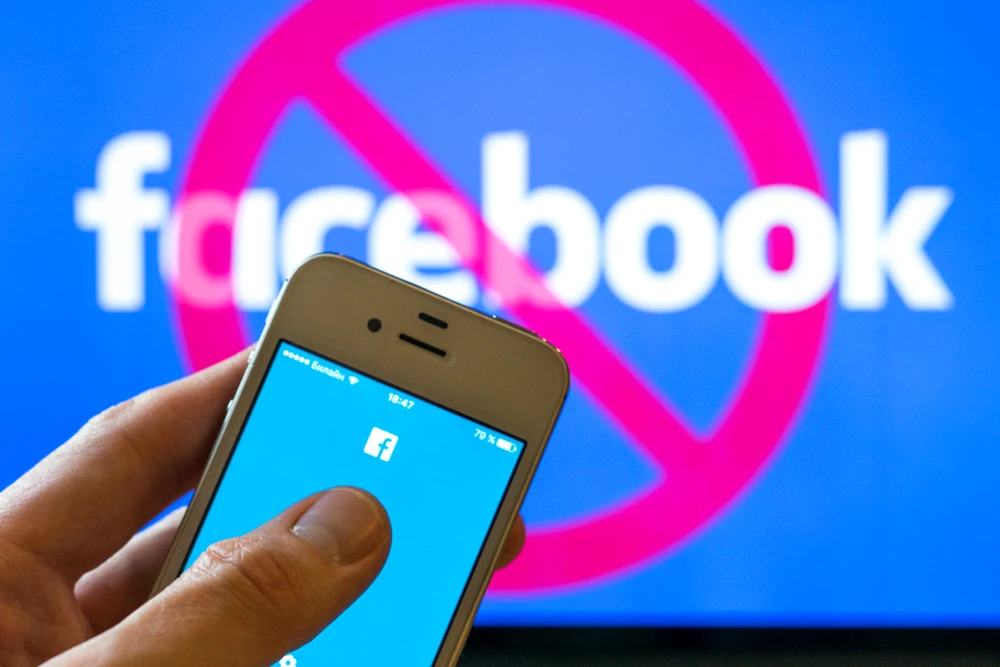
Meta Platforms (FB.O) said a hacking group used Facebook to target a handful of public figures in Ukraine, including prominent military officials, politicians and a journalist, amid Russia's ongoing invasion of the country.
Meta said in the last 48 hours it had also separately removed a network of about 40 fake accounts, groups and pages across Facebook and Instagram that operated from Russia and Ukraine targeting people in Ukraine, for violating its rules against coordinated inauthentic behavior.
A Twitter spokesperson said it had also suspended more than a dozen accounts and blocked the sharing of several links for violating its rules against platform manipulation and spam. It said its ongoing investigation indicated the accounts originated in Russia and were attempting to disrupt the public conversation around the conflict in Ukraine.
In a blog post on Monday, Meta attributed the hacking efforts to a group known as Ghostwriter, which it said successfully gained access to the targets' social media accounts. Meta said the hackers attempted to post YouTube videos from the accounts portraying Ukrainian troops as weakened, including one video which claimed to show Ukrainian soldiers coming out of a forest and flying a white flag of surrender.
Ukrainian cybersecurity officials said on Friday that hackers from neighboring Belarus were targeting the private email addresses of Ukrainian military personnel "and related individuals," blaming a group code-named "UNC1151." The U.S. cybersecurity firm FireEye has previously connected the group with Ghostwriter activities.
Meta's security team said it had taken steps to secure targeted accounts and had blocked the phishing domains used by the hackers. It declined to give the names of any of the targets but said it had alerted users where possible.
Meta said the separate influence campaign, which used a number of fictitious personas, claimed to be based in Kyiv and ran a small number of websites masquerading as independent news outlets. These outlets published claims about the West betraying Ukraine and Ukraine being a failed state.
The company said it had found links between this influence network and an operation it removed in April 2020, which it had connected to individuals in Russia, the Donbass region in Ukraine and two media outlets based in Crimea - NewsFront and SouthFront, which are now sanctioned by the U.S. government. Neither NewsFront or SouthFront immediately responded to requests for comment.
Meta declined to give a number of impressions or views for the influence campaign's content but said it had seen a "very low level" of shares, posts or reactions. It said the campaign had fewer than 4,000 Facebook accounts following one of more of its pages and fewer than 500 accounts following one or more of its Instagram accounts. It did not say how long the campaigns had been active on its platforms. Read More…