Facebook's Implementing Disclosure on "Issues Ads", Adding Verification Requirement for Page Managers
-
 Loading...
 - Agnes Johnson
- 09 Apr 2021
- 1213 Views
- 0 Like
- 0 Comment
The changes keep coming at Facebook.
As the company works to address the various concerns in the wake of the Cambridge Analytica scandal, they’re rolling out a range of new privacy and transparency tools. The latest update relates to ad labeling and Page management, with new indicators and rules set to come into effect to fix gaps in their system.
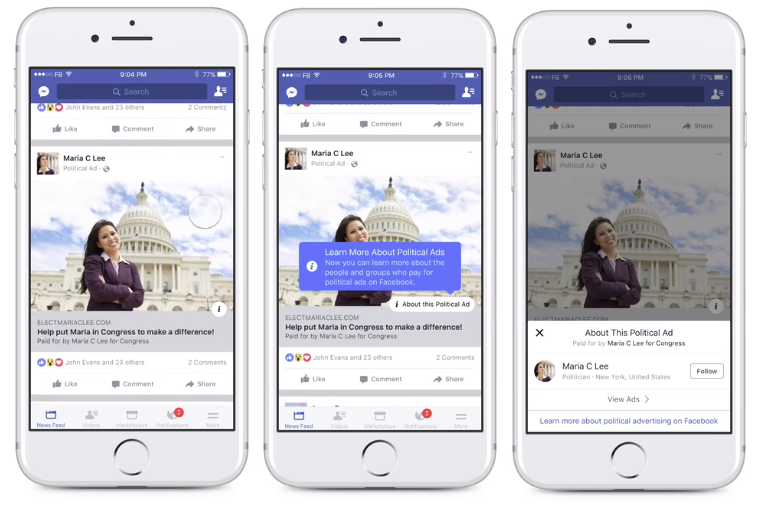
First off, on political ads – last October, Facebook rolled out a new systemwhich meant that only authorized advertisers would be able to run electoral ads on Facebook or Instagram, and that any such ads would be labeled accordingly.
To further cover potential abuse of political issues and topics by non-political affiliated groups, Facebook’s now extending this requirement to anyone that wants to show "issue ads”.
According to Facebook, “issue ads” relate to political topics which are being debated across the country, and they’re working with third parties to develop a list of key issues which they’ll refine over time.
“To get authorized by Facebook, advertisers will need to confirm their identity and location. Advertisers will be prohibited from running political ads - electoral or issue-based - until they are authorized.”
This looks set to become the new order for Facebook, with expanded verification processes to weed out those who may seek to manipulate their systems. That process makes sense – if Facebook had a more stringent vetting process in place, it may have been able to stop political groups - particularly Russian-based ones - from interfering in the 2016 election. But there is another consideration to this that all social media managers, in particular, will need to take heed of.
As explained by Facebook CEO Mark Zuckerberg:
“We will also require people who manage large Pages to be verified as well. This will make it much harder for people to run Pages using fake accounts, or to grow virally and spread misinformation or divisive content that way."
That’s right, if you manage a “large” Facebook Page, you’ll need to be verified. How, exactly, that new requirement will function in practice is yet to be seen – Zuckerberg says that the company will hire thousands more people to help, and that they’re committed to getting it in place ahead of the 2018 elections.
But what qualifies as a “large” Page? Facebook hasn’t released the full details as yet, nor a complete explanation of whether the current verification requirements will remain in place, or specialized qualifiers will be implemented for Page managers. But as it seems here, Page managers will be required to go through a new verification process to confirm their identities. We’ll wait for further information on exactly how that will work.
Verification has long been put forward as a means to better police behavior on social networks, particularly Twitter, which has no ID requirements, leading to people creating fake profiles specifically for trolling purposes. Facebook requires more personal identifiers, but they can still be easily faked. If there were more accountability in the process, that could help Facebook better enforce its rules, and punish those who don’t follow them.
But it could cause headaches for some Page managers. Ideally, the system will function efficiently, and enable Page managers to quickly and easily go through the verification process. But it’s definitely worth noting – if you’re not yet verified and you manage a Facebook Page, changes are coming.
In addition to this, Facebook’s also expanding the availability of their option for users to see all ads a Page is running at any given time.
“In Canada, we’ve been testing a new feature called view ads that lets you see the ads a Page is running - even if they are not in your News Feed. This applies to all advertiser Pages on Facebook, not just Pages running political ads. We plan to launch view ads globally in June.”
This will enable users to see the variations of messaging each Page is using, which could help them detect organizations who are trying to manipulate user groups.
As noted, these are just the latest announced changes in Facebook’s processes in the wake of the Cambridge Analytica issue. The company has already detailed plans to make user privacy controls more prominent, has removed supplemental third-party data insights from its ad options, and has implemented new restrictions on its API access to limit data sourcing.
And these could just be the start – Facebook's in the midst of its greatest crisis ever, and will be exploring a range of options to ensure the company maintains user trust, while also staying within potential regulatory requirements.
That's likely Facebook’s biggest concern – really, given what we now know about the potential insights that can be gleaned from Facebook data, such insights should probably come under similar protections as medical information or financial records. If that were the case, Facebook would need to implement a lot more systems and processes to protect the data they have, a shift they’d prefer to avoid.
Maybe, Facebook will be hoping, these new measures will appease regulators enough.