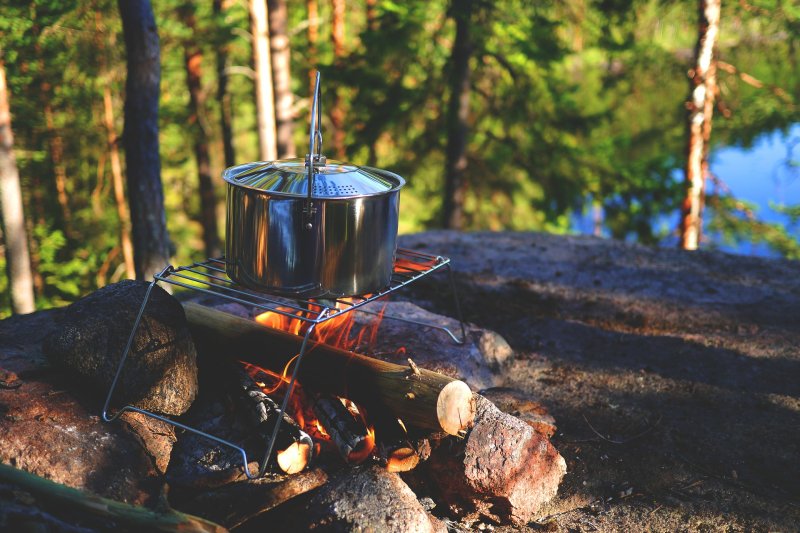
Fall camping tips: The ultimate guide to campfire cooking
-
 Loading...
 - Margarita Zavala
- 03 Oct 2022
- 66 Views
- 0 Like
- 0 Comment
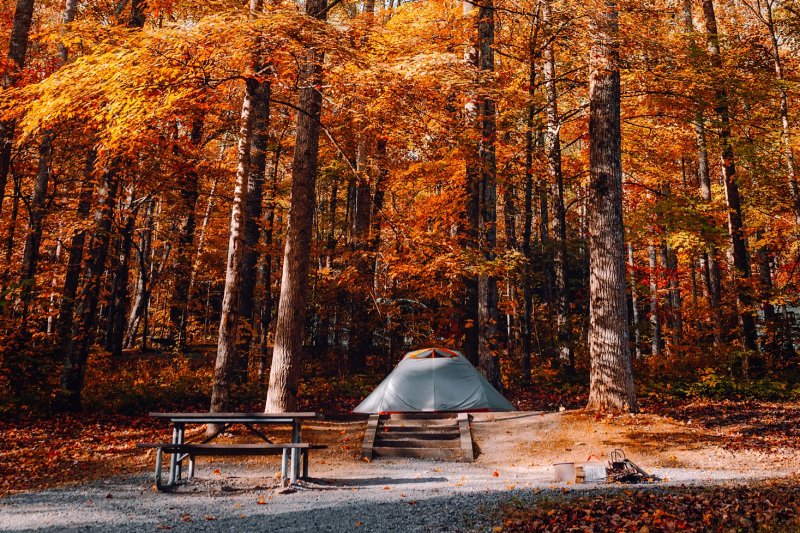
Fall camping trips are prime time to up your campfire cooking game. Let’s face it, a camping trip isn’t really a camping trip without a campfire. And as the nights get cooler and longer, you’re going to need the warmth and glow of the fire to keep you from the allure of your three-season sleeping bag just a little longer. Campers have been cooking over fires for as long as humans have been roaming these lands, and there’s a lot more to campfire cooking than a sausage on a stick.
In fact, there is almost no end to the style of cooking you can manage on a campfire. From grilling steaks and roasting yourself some chips, to making your own bread in a dutch oven, you can experience fine dining in the backcountry. This guide to campfire cooking will help you avoid common mistakes this fall and make sure you can add a little extra something — that isn’t grit — to your camping food.
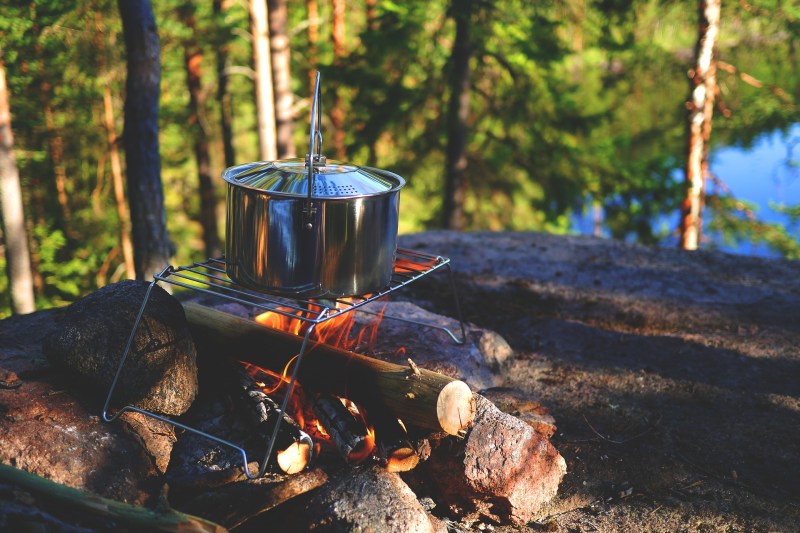
Get the right type of wood
If you want the best campfire to cook on, you need the right type of wood. If you’re heading to a campsite that sells wood, or you can stop and pick up a cord of wood on the way, you’re set. If you’re going to collect your own wood then look for dry and dead wood — as close to properly seasoned wood — as possible. Dry wood burns more efficiently and gives off less smoke, so you won’t have soot-caked food. Aim for hardwoods — oak, cherry, apple — and avoid softwoods — pine, cedar, larch — which burn too quickly and don’t give you a good bed of coals to cook over.
Woods containing resin rather than sap have a tendency to spit and can burn you, as well as give your food an odd taste. There are certain types of wood that are poisonous to cook over, too. Some of these have obvious giveaways, like the word poison in their name — poison sumac, poison oak — while others are less obvious — rhododendron, oleander. Stick to burning wood that you know the origin of, and if you’re not sure then dig a little deeper into the trees in your local area. Avoid driftwood if you’re camping on the beach, as these salt-saturated logs can release toxic chemicals. Read More...