Finance Minister: Growth to Exceed 5% in 2022
-
 Loading...
 - Stephanie Shaw
- 01 Dec 2021
- 565 Views
- 0 Like
- 0 Comment
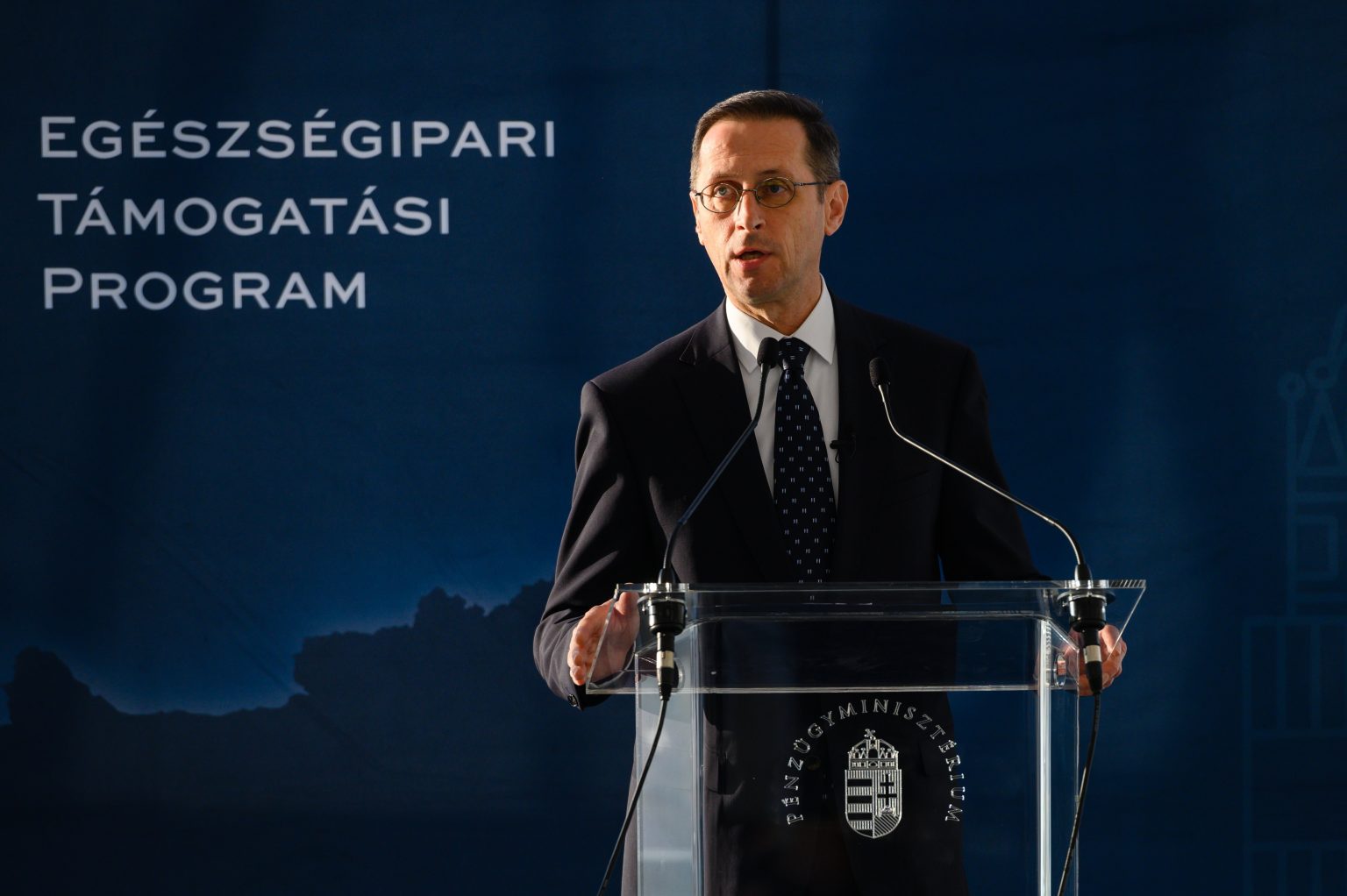
Unlike during the global economic crisis of 2008, Hungary needed no assistance from the International Monetary Fund, Varga said. This achievement was all the more remarkable as the global recession in 2020-2021 came to 3.6 percent as against 1.7 percent in 2008-2009, he added.
Hungary, he said, had successfully managed its debt amid the hardships of the pandemic, extending debt maturity from four to six years while ramping up domestic financing, with a quarter of public debt now in Hungarian hands, up from 3 percent in 2010.
Referring to the September rating decision by Moody’s, Varga said credit rating agencies generally had a positive view of Hungary’s economy.
Also, since 2013 Hungary has made steady headway in international competitiveness rankings, he added.
The government, Varga said, was committed to tax cuts as well as support for families and businesses.
Tax on employment, at 35.5 percent in 2009, will be 13 percent in 2022, he said, adding that tax on small businesses will be reduced by 1 percentage point.
Meanwhile, the investment rate of 27.5 percent is the highest in the EU, he said. In terms of health-care investment subsidies alone, the government has backed more than 80 projects worth 87 billion forints altogether, the minister added.
Also, the government has multiplied spending on pensioners, and the 13-month pension will be paid in full next year, Varga said.
Wages since 2010 have more than doubled and more wage hikes for teachers, armed-forces and law enforcement personnel are in the pipeline, he said.
Since 2015, spending on border protection has amounted to 590 billion forints, with the EU providing a mere 1 percent of that sum, Varga said. Read More…