Findings can inform vaccines, treatments for COVID, cancers, and beyond
-
 Loading...
 - Liam Bakker
- 02 Nov 2022
- 55 Views
- 0 Like
- 0 Comment
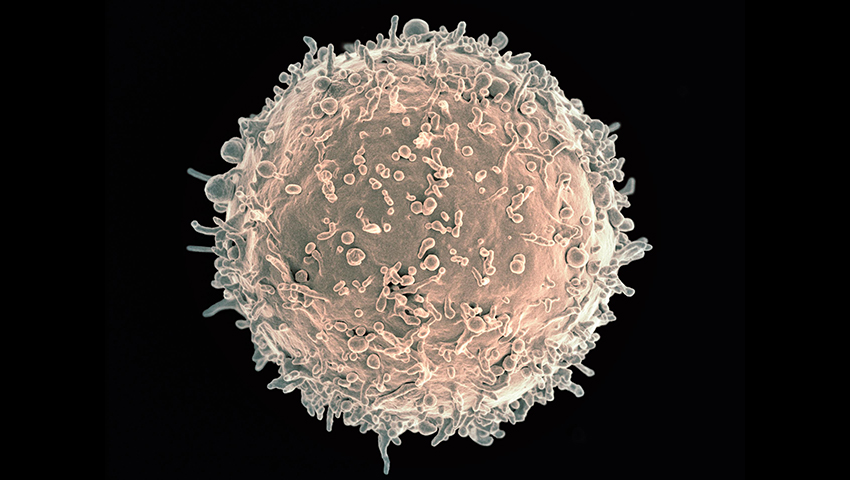
Researchers at Harvard Medical School and the University of Freiberg in Germany have captured the first, long-awaited snapshots at near-atomic resolution of B-cell receptors – intricate assemblages of proteins protruding from the surface of B cells that detect invaders such as viruses and bacteria and alert the cells to fight.
The resulting three-dimensional structure, described Oct. 13 in Nature and based on imaging of mouse B-cell receptors, promises to deepen scientists’ understanding of how B cells function in health and disease. It also could advance efforts to thwart infections by pathogens such as SARS-CoV-2, improve vaccines, and develop new treatments for diseases that involve problems with B-cell receptors, such as some leukemias and lymphomas.
Receptors allow B cells to perform their most critical roles: producing antibodies and remembering how to fight specific pathogens long after an initial infection. But how exactly receptors latch onto potential dangers and kick B cells into action has been one of the holes in the understanding of B cell function.
Filling in those gaps requires revealing the tiniest details of what the receptors look like, both at rest and when they spring into action to attach to various molecules. It reflects a tenet of biology: structure illuminates function. Read More...