Fine Gael and Fianna Fáil Lead Irish Elections
-
 Loading...
 - Mimmi Haaland
- 02 Jul 2024
- 191 Views
- 0 Like
- 0 Comment
With only a handful of council seats left to declare in the Irish local elections, the two major government parties, Fine Gael and Fianna Fáil, are leading the pack.
- Fianna Fáil: 242 seats
- Fine Gael: 241 seats
- Independent candidates: 182 seats
- Sinn Féin: 100 seats (below its target of 200)
- Labour Party: 56 seats
- Social Democrats: 35 seats
- Green Party: 23 seats
- People Before Profit-Solidarity: 13 seats
- Aontú: 8 seats
European Parliament Elections
Ireland has three EU constituencies sending 14 MEPs to Brussels. Fine Gael's Seán Kelly topped the poll in Ireland South, becoming the first elected MEP.
Reactions and Analysis
Sinn Féin: Despite expectations, Sinn Féin underperformed, prompting leader Mary Lou McDonald to express disappointment but confirm no plans to step down. Internal concerns include unclear immigration policies and spreading votes too thin by running too many candidates.
Independent Candidates: Independent representatives have made significant gains, reflecting a shift in voter preferences.
Green Party: Despite anticipating losses compared to 2019, Green Party leader Eamon Ryan highlighted the party's resilience.
Government Parties: Fianna Fáil and Fine Gael's strong performance reflects "broad satisfaction" with the current government, according to Fianna Fáil MEP Barry Andrews. Fine Gael Senator Emer Currie echoed these sentiments, emphasizing the importance of centrist politics.
Local Election Issues
- Mica Scandal: The 100% Redress Party, advocating for homeowners affected by defective concrete blocks, secured four council seats in Donegal.
- Immigration: Anti-immigration sentiment influenced the election, with two prominent protestors winning seats in Dublin.
Proportional Representation Voting System
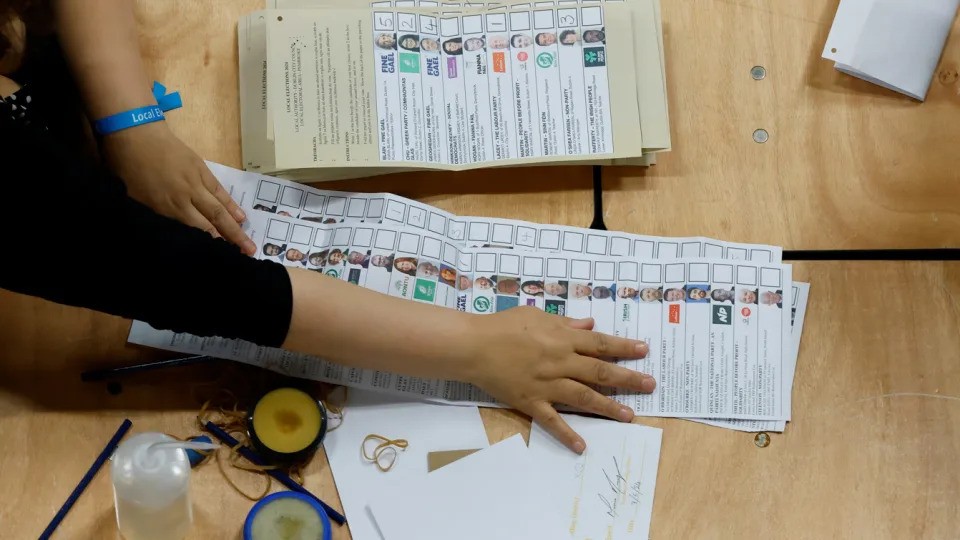
Ireland uses the Proportional Representation-Single Transferable Vote (PR-STV) system in all its elections, allowing voters to rank candidates in order of preference. This system tends to favor smaller parties and independents, offering a more representative electoral outcome.
Critics argue that PR can lead to weak coalitions and allow unpopular parties to stay in power through new alliances. Nonetheless, it provides voters with more control over their representation.
The local election results reflect a mix of continuity and change in Irish politics. While government parties remain strong, independent and single-issue candidates have made significant inroads, indicating a diverse and evolving political landscape.