Fintech Landscape of Senegal 2022
-
 Loading...
 - Joshua Waweru
- 21 Sep 2022
- 65 Views
- 0 Like
- 0 Comment
As highlighted in my previous Fintech: Middle East and Africa 2021 Report, Senegal’s ambitions are represented by one vision – an emerging Senegal in 2035, with a cohesive society under the rule of law.
The Senegalese government’s strategic guidelines that direct the initiatives needed for translating this vision into tangible actions and results for the benefit of population, are based on three priorities aimed at: bringing about a structural transformation of the economy, promoting human capital and enabling good governance.
Becoming a major Francophone hub in the African continent, Senegal wants to do that with the wider tech and digital sector. By 2025, it aims to create 35,000 new jobs in the field of technology.
Mobile phone usage in Senegal has surpassed more than 60 per cent this year. In terms of traditional finance usage, Senegal only had seven per cent of its population use it.
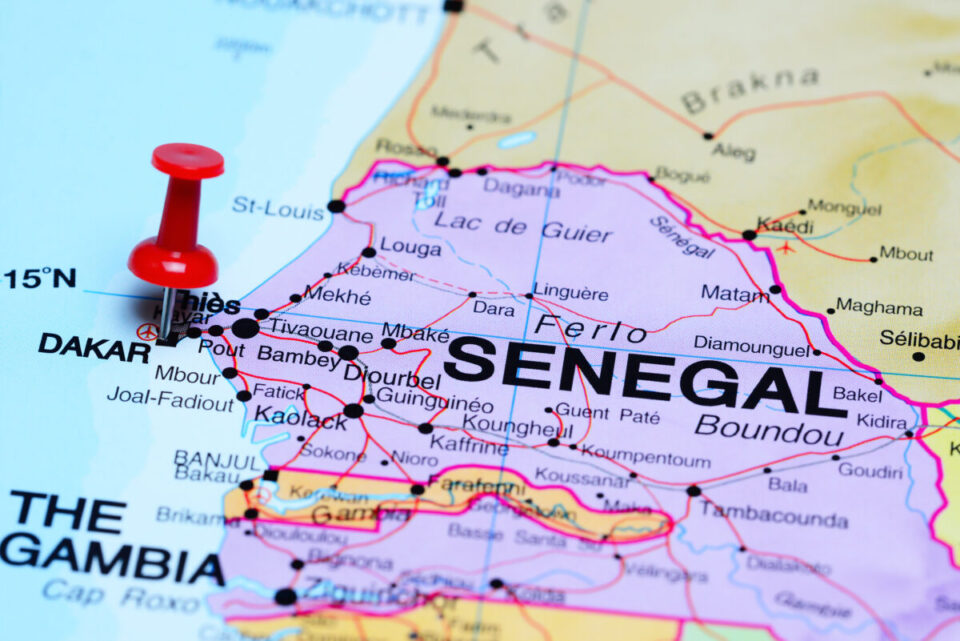
Like across much of MEA, the rural population is at a disadvantage here. For instance, with traditional financial institutions, almost two-third (63 per cent) of ATMs and another almost two-thirds (64 per cent) of point of service for traditional financial institutions are located in the capital and largest city of Dakar.

Dakar is ranked ninth in Africa by the Global Fintech Index City Rankings 2020 and it is estimated there are 24 fintechs and 47 enablers and funding partners in the country.
In terms of its fintech subsectors, the majority at 42 per cent are in payments. In second place are marketplace for financial services and aggregators at 29 per cent and in third place are process and technology enablers at 17 per cent.
Senegal last year made headlines when the first African Francophone fintech achieved unicorn status. Wave Digital Finance, founded in 2018, raised $200million from four big Silicon Valley venture capital firms, pushing its valuation to $1.7billion.
Prior to this, the ecosystem – home to around 70 startups – had only raised around $26million in the whole of last year. In the case of Wave, it shows just how popular mobile money has become in the African continent and has expanded beyond just East Africa. Read More…