Home Upload Photo Upload Videos Write a Blog Analytics Messaging Streaming Create Adverts Creators Program
Bebuzee Afghanistan Bebuzee Albania Bebuzee Algeria Bebuzee Andorra Bebuzee Angola Bebuzee Antigua and Barbuda Bebuzee Argentina Bebuzee Armenia Bebuzee Australia Bebuzee Austria Bebuzee Azerbaijan Bebuzee Bahamas Bebuzee Bahrain Bebuzee Bangladesh Bebuzee Barbados Bebuzee Belarus Bebuzee Belgium Bebuzee Belize Bebuzee Benin Bebuzee Bhutan Bebuzee Bolivia Bebuzee Bosnia and Herzegovina Bebuzee Botswana Bebuzee Brazil Bebuzee Brunei Bebuzee Bulgaria Bebuzee Burkina Faso Bebuzee Burundi Bebuzee Cabo Verde Bebuzee Cambodia Bebuzee Cameroon Bebuzee Canada Bebuzee Central African Republic Bebuzee Chad Bebuzee Chile Bebuzee China Bebuzee Colombia Bebuzee Comoros Bebuzee Costa Rica Bebuzee Côte d'Ivoire Bebuzee Croatia Bebuzee Cuba Bebuzee Cyprus Bebuzee Czech Republic Bebuzee Democratic Republic of the Congo Bebuzee Denmark Bebuzee Djibouti Bebuzee Dominica Bebuzee Dominican Republic Bebuzee Ecuador Bebuzee Egypt Bebuzee El Salvador Bebuzee Equatorial Guinea Bebuzee Eritrea Bebuzee Estonia Bebuzee Eswatini Bebuzee Ethiopia Bebuzee Fiji Bebuzee Finland Bebuzee France Bebuzee Gabon Bebuzee Gambia Bebuzee Georgia Bebuzee Germany Bebuzee Ghana Bebuzee Greece Bebuzee Grenada Bebuzee Guatemala Bebuzee Guinea Bebuzee Guinea-Bissau Bebuzee Guyana Bebuzee Haiti Bebuzee Honduras Bebuzee Hong Kong Bebuzee Hungary Bebuzee Iceland Bebuzee India Bebuzee Indonesia Bebuzee Iran Bebuzee Iraq Bebuzee Ireland Bebuzee Israel Bebuzee Italy Bebuzee Jamaica Bebuzee Japan Bebuzee Jordan Bebuzee Kazakhstan Bebuzee Kenya Bebuzee Kiribati Bebuzee Kuwait Bebuzee Kyrgyzstan Bebuzee Laos Bebuzee Latvia Bebuzee Lebanon Bebuzee Lesotho Bebuzee Liberia Bebuzee Libya Bebuzee Liechtenstein Bebuzee Lithuania Bebuzee Luxembourg Bebuzee Madagascar Bebuzee Malawi Bebuzee Malaysia Bebuzee Maldives Bebuzee Mali Bebuzee Malta Bebuzee Marshall Islands Bebuzee Mauritania Bebuzee Mauritius Bebuzee Mexico Bebuzee Micronesia Bebuzee Moldova Bebuzee Monaco Bebuzee Mongolia Bebuzee Montenegro Bebuzee Morocco Bebuzee Mozambique Bebuzee Myanmar Bebuzee Namibia Bebuzee Nauru Bebuzee Nepal Bebuzee Netherlands Bebuzee New Zealand Bebuzee Nicaragua Bebuzee Niger Bebuzee Nigeria Bebuzee North Korea Bebuzee North Macedonia Bebuzee Norway Bebuzee Oman Bebuzee Pakistan Bebuzee Palau Bebuzee Panama Bebuzee Papua New Guinea Bebuzee Paraguay Bebuzee Peru Bebuzee Philippines Bebuzee Poland Bebuzee Portugal Bebuzee Qatar Bebuzee Republic of the Congo Bebuzee Romania Bebuzee Russia Bebuzee Rwanda Bebuzee Saint Kitts and Nevis Bebuzee Saint Lucia Bebuzee Saint Vincent and the Grenadines Bebuzee Samoa Bebuzee San Marino Bebuzee São Tomé and Príncipe Bebuzee Saudi Arabia Bebuzee Senegal Bebuzee Serbia Bebuzee Seychelles Bebuzee Sierra Leone Bebuzee Singapore Bebuzee Slovakia Bebuzee Slovenia Bebuzee Solomon Islands Bebuzee Somalia Bebuzee South Africa Bebuzee South Korea Bebuzee South Sudan Bebuzee Spain Bebuzee Sri Lanka Bebuzee Sudan Bebuzee Suriname Bebuzee Sweden Bebuzee Switzerland Bebuzee Syria Bebuzee Taiwan Bebuzee Tajikistan Bebuzee Tanzania Bebuzee Thailand Bebuzee Timor-Leste Bebuzee Togo Bebuzee Tonga Bebuzee Trinidad and Tobago Bebuzee Tunisia Bebuzee Turkey Bebuzee Turkmenistan Bebuzee Tuvalu Bebuzee Uganda Bebuzee Ukraine Bebuzee United Arab Emirates Bebuzee United Kingdom Bebuzee Uruguay Bebuzee Uzbekistan Bebuzee Vanuatu Bebuzee Venezuela Bebuzee Vietnam Bebuzee World Wide Bebuzee Yemen Bebuzee Zambia Bebuzee Zimbabwe
Blog Image

First mapping of global marine wilderness shows just how little remains

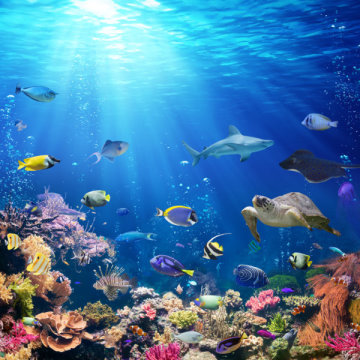
Coral reef. Credit: © Romolo Tavani / Fotolia

Researchers reporting in the journal Current Biology on July 26 have completed the first systematic analysis of marine wilderness around the world. And what they found is not encouraging; only a small fraction -- about 13 percent -- of the world's ocean can still be classified as wilderness.

The remaining marine wilderness is unequally distributed and found primarily in the Arctic, in the Antarctic, or around remote Pacific Island nations. In coastal regions, there is almost no marine wilderness left at all.

"We were astonished by just how little marine wilderness remains," says Kendall Jones of the University of Queensland, Australia, and the Wildlife Conservation Society. "The ocean is immense, covering over 70 percent of our planet, but we've managed to significantly impact almost all of this vast ecosystem."

On land, rapid declines in wilderness have been well documented. But much less was known about the status of marine wilderness. Wilderness areas are crucial for marine biodiversity.

"Pristine wilderness areas hold massive levels of biodiversity and endemic species and are some of the last places of Earth where big populations of apex predators are still found," Jones says.

In the new study, Jones and his colleagues used the most comprehensive global data available for 19 human stressors, including commercial shipping, fertilizer and sediment runoff, and several types of fishing in the ocean and their cumulative impact. They systematically mapped marine wilderness globally by identifying areas with very little impact (lowest 10% percent) from 15 anthropogenic stressors and also a very low combined cumulative impact from these stressors.

In order to capture differences in human influence by ocean regions, the researchers repeated their analysis within each of 16 ocean realms. They found wide variation in the degree of human impacts. For instance, more than 16 million square kilometers of wilderness remains in the Warm Indo-Pacific, accounting for 8.6 percent of the ocean. But it's even worse in Temperate Southern Africa, where less than 2,000 square kilometers of marine wilderness remains -- less than 1 percent of the ocean.

The study also shows that less than 5 percent of global marine wilderness is currently protected. Most of this is in offshore ecosystems, with very little protected wilderness found in high-biodiversity areas such as coral reefs.

"This means the vast majority of marine wilderness could be lost at any time, as improvements in technology allow us to fish deeper and ship farther than ever before," Jones says. "Thanks to a warming climate, even some places that were once safe due to year-round ice cover can now be fished."

The findings highlight an urgent need for action to protect what remains of marine wilderness, the researchers say. Such an effort requires international environmental agreements to recognize the unique value of marine wilderness and sets targets for its retention.

Previous Post

Where Martian dust comes from

Next Post

Time is running out in the tropics: Researchers warn of global biodiversity collapse

Comments