First-time Croatia tips: everything you need to know before you visit
-
 Loading...
 - archie zachary
- 18 May 2022
- 299 Views
- 0 Like
- 0 Comment
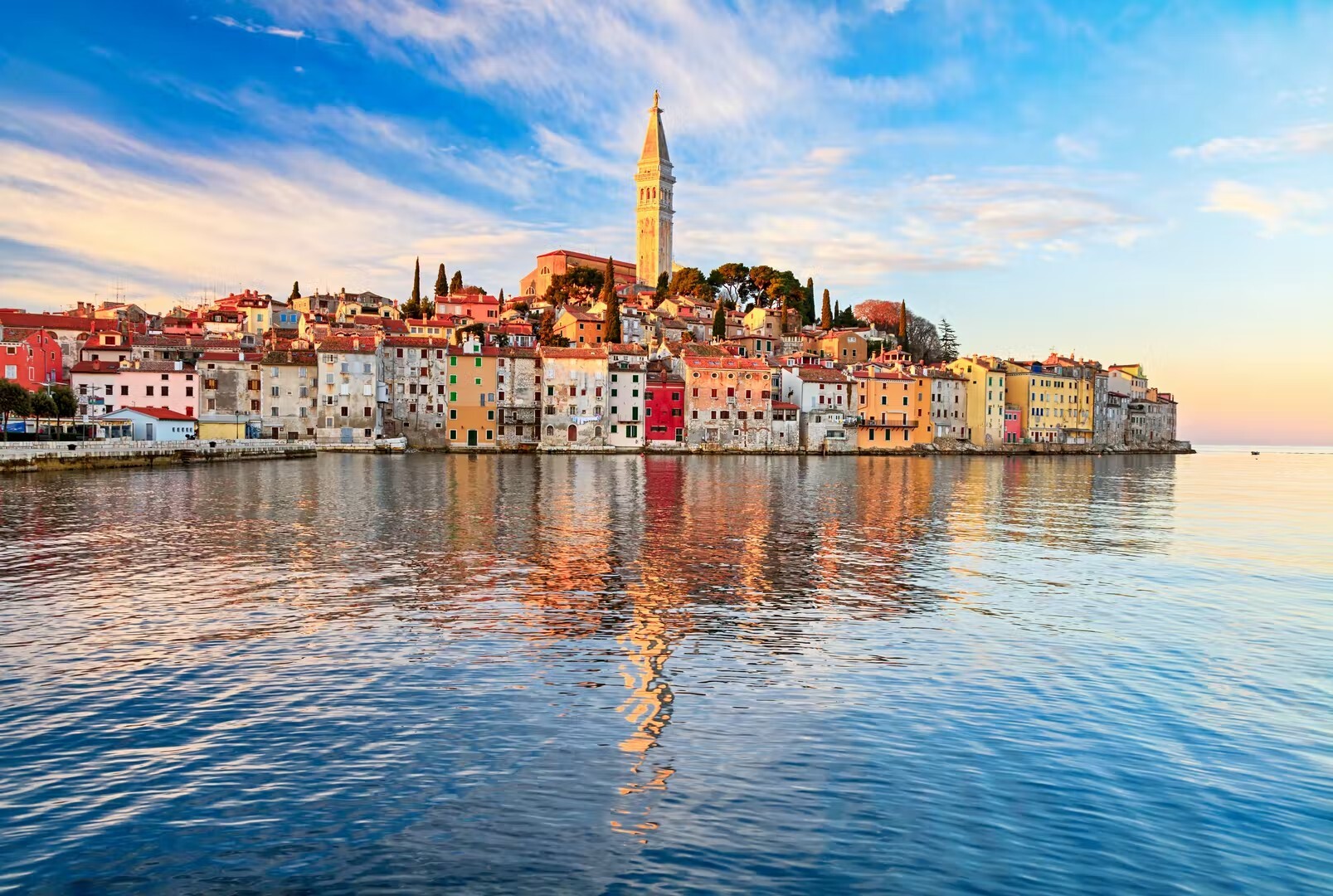
Naturally, tourists are drawn to those beautiful Adriatic beaches that easily hold their own against their Mediterranean rivals. But inland Croatia is just as captivating, from the hilltop villages of Istria to the elegantly buzzing capital, Zagreb. Before you go, have a look at these travel tips to make the most out of your Croatia trip.
Planning your trip to Croatia
Make certain you have the right currency
Although Croatia joined the European Union in 2013, it won’t be joining the eurozone until 1 January 2023. In the meantime, carry on using the Croatian kuna, which you can buy in advance outside the country as well as from the banks and ATMs once you arrive. Some shops and restaurants will accept euros, but you’ll get your change in kuna, and not at a very attractive rate.
Don’t overstretch yourself when planning an itinerary
It might be tempting to squeeze in as many destinations as possible into one trip, but you won’t be doing yourself any favors unless you’re staying for at least two weeks. If you’re planning to visit more than one Adriatic island, think realistically about how much time you can spend in each place and how you will be getting around. Get to know the schedule of the national ferry operator, Jadrolinija, if you intend to do some island-hopping. Croatia has an extensive bus network, but factor in some long journey times if you’re traveling along the Adriatic coast.

How much do you tip?
Croatia’s tipping culture is more laid back than in other countries. Having said that, it’s customary to leave at least 10% in restaurants and for beauty and spa treatments. In bars and cafés, just round up the bill. Tour guides appreciate a few kuna at the end of a tour, and taxi drivers don’t expect a tip, but, again, if you want to round up a fare from, say, 22 kuna (US$3.15) to 25 kuna (US$3.57), it’s appreciated. If you’re filling up your car and notice a few students cleaning car windscreens, give them a few kuna, as they’re working for tips only.
How safe is it to travel in Croatia?
Croatia is a relatively safe country, with low levels of violent crime. The most prevalent issue for tourists is pickpocketing, but even that’s on a much lower scale than in other European countries. Female solo travelers should feel safe on their own, although it’s wise to get some information from accommodation providers on areas to avoid, if any. When using taxis, all travelers should make certain they’re using a licensed car either from an official taxi rank or ordered from your hotel.
What’s Croatia like for LGBTQI+ travelers?
In this relatively conservative country, homosexuality is tolerated but LGBTQI+ travelers should be discreet. Public displays of affection could raise a few eyebrows, and some travelers have experienced hostile reactions. Zagreb’s gay scene is growing, however, and both Zagreb and Split hold Gay Pride festivals every June.
Buy some swimming shoes
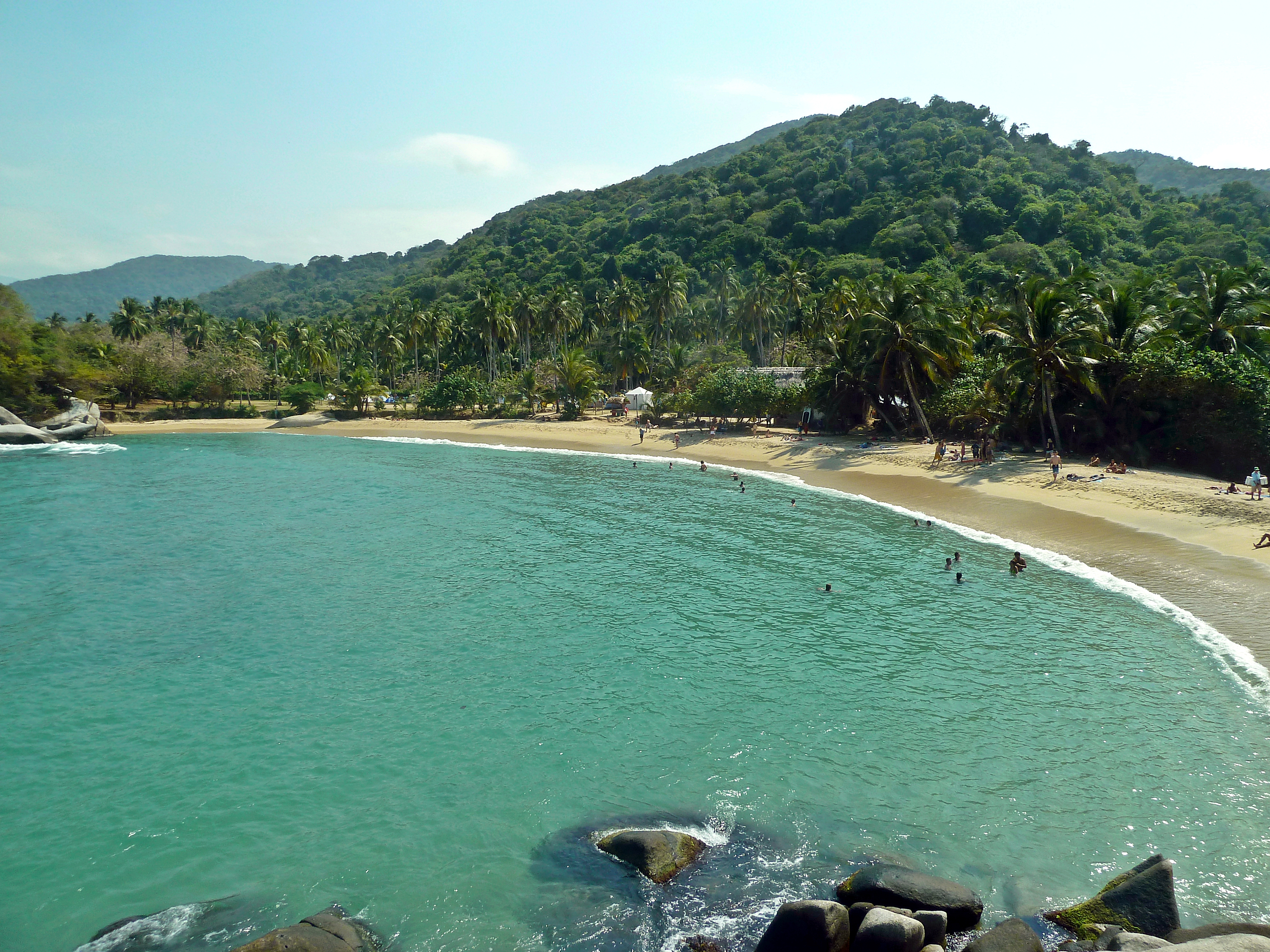
Most of Croatia’s beaches are pebbly or rocky and can be hard to enjoy in bare feet. Just pick up a pair of those neoprene or plastic swimming shoes you see in all the resorts and you’ll also be protecting your feet from sea urchins that lurk under rocks and pebbles.
Be prepared for lots of bare flesh
Naturist beaches are popular in Croatia, and sometimes you won’t know you’re on one until people start stripping off. Most are marked with FKK – the German phrase “Frei-Körper-Kultur” meaning free body culture – not surprisingly, as Germans make up some of the biggest numbers of tourists in Croatia. Away from the FKK beaches, topless bathing is quite common. Read More…