Fish diversity documented in Switzerland’s rivers
-
 Loading...
 - Kayla Harrison
- 28 Mar 2023
- 112 Views
- 0 Like
- 0 Comment
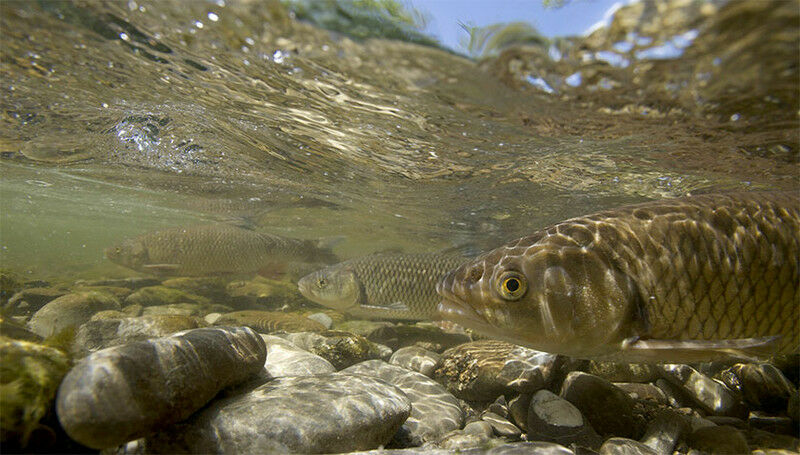
In a major survey of Swiss rivers and streams, more than 50 different fish species were recorded. For the first time, more than one species was also found in the case of smaller types of fish such as the bullhead. In "Progetto Fiumi", riverine fish were surveyed using standardised methods and both morphological and genetic characteristics were analysed. Particularly high diversity was seen in large lowland rivers - where, however, near-natural reaches are rare.
The smallest fish recorded by the Progetto Fiumi biologists was a stickleback measuring 2 centimetres, while the largest - 70 times longer - was a 140-centimetre catfish caught in the Rhine. In terms of weight, the span was even wider, with the lightest - a 0.01-gram carp larva - weighing 5 million times less than the almost 50-kilogram catfish. The sheer variety of sizes is emblematic of the enormous diversity of fish harboured by Switzerland’s rivers and streams.
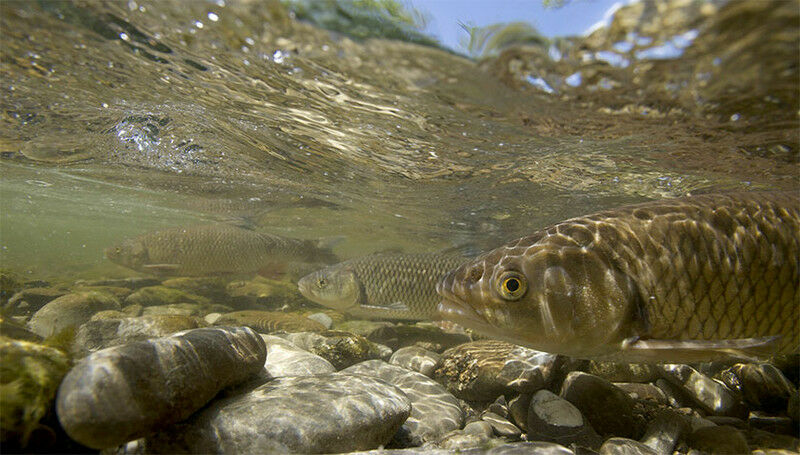
Over a period of five years, scientists - aided by fishery inspectors, leaseholders, environmental consultancies and volunteers - collected samples of fish from rivers and streams at 324 sites, at altitudes ranging from around 200 to over 2200 metres above sea level. More than 20,000 specimens [BA1] from over 50 species were caught, with 12,000 DNA and over 5000 scale samples being archived for further analysis. All the data collected was stored in a publicly accessible reference database. Following Projet Lac for perialpine lakes, Progetto Fiumi now for the first time provides an overview of fish diversity in Switzerland’s rivers and streams. Today, the Final Report on this project was published online (pdf file, in German, with summaries in English, French and Italian).
Just a few species in numerous rivers, large numbers in a few
In many of the reaches studied, just a few species were recorded, with no more than one - mostly Atlantic trout (Salmo trutta) - found at 158 sites. Only 16 sites showed high diversity (10 or more species). These are mainly located on larger rivers in the Central Plateau or close to lakes. The highest numbers of species were recorded in large impoundments. As project leader Jakob Brodersen explains, "This doesn’t mean that impounded river habitats are especially valuable for fish diversity, since here you mainly find species that are common in lakes. Read More…