Fitness: What You Need To Know About Wearable Weights
-
 Loading...
 - Paula Dawson
- 06 Apr 2023
- 84 Views
- 0 Like
- 0 Comment
Wearable weights are a type of fitness accessory that has gained popularity in recent years. It refers to any weight that can be worn on the body while exercising or engaging in other physical activities. They come in different shapes and sizes, such as wrist and ankle weights, weighted vests, and even weighted clothing. The idea behind wearable weights is to increase the intensity of workouts and challenge the muscles to work harder, leading to greater strength and endurance gains. Here’s what you need to know about them to extract the most benefit and minimize the risk of getting injured.
How wearable weights work
Wearable weights add extra weight to your body which pushes your muscles and cardiovascular system to work harder to move your body. Raising your body weight places a load on your heart and muscles which boosts the intensity of your workout, strengthening your muscles.
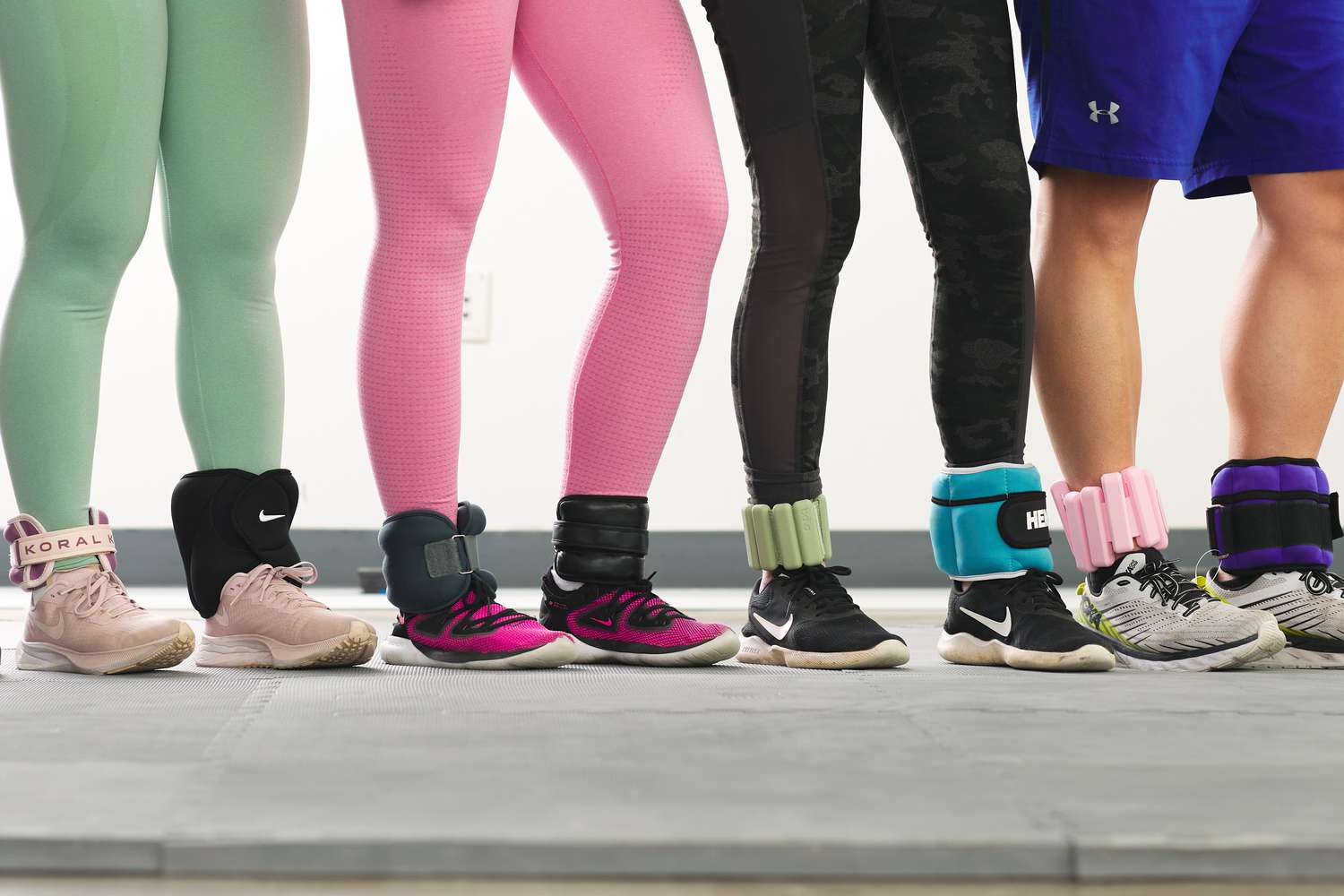
Ankle weights
These are weights attached to a wide strap around your ankle with Velcro or a buckle. The weight is often made of sand or lead filings so that it moulds to the shape of the body without getting in the way of your movement. Ankle weights usually weigh between 1-5 pounds with beginners encouraged to start with lighter options before advancing to heavier options.
Benefits: Ideal for strengthening muscles in the lower body, including, calves, quads, hamstrings and glutes. Using them can raise your heart rate by about 3-5 beats per minute as well as boost your oxygen consumption.
Risks: It may not be a good idea to use them while walking, running or during aerobic workouts. This is because they force you to use the muscles in the front of your thighs instead of the back which can cause a muscle imbalance. These wearable weights also pull on the ankle which increases your risk of tendon or ligament injuries to the knees, hips and back. The best time to use them is when doing leg exercises like leg lifts. Read More…