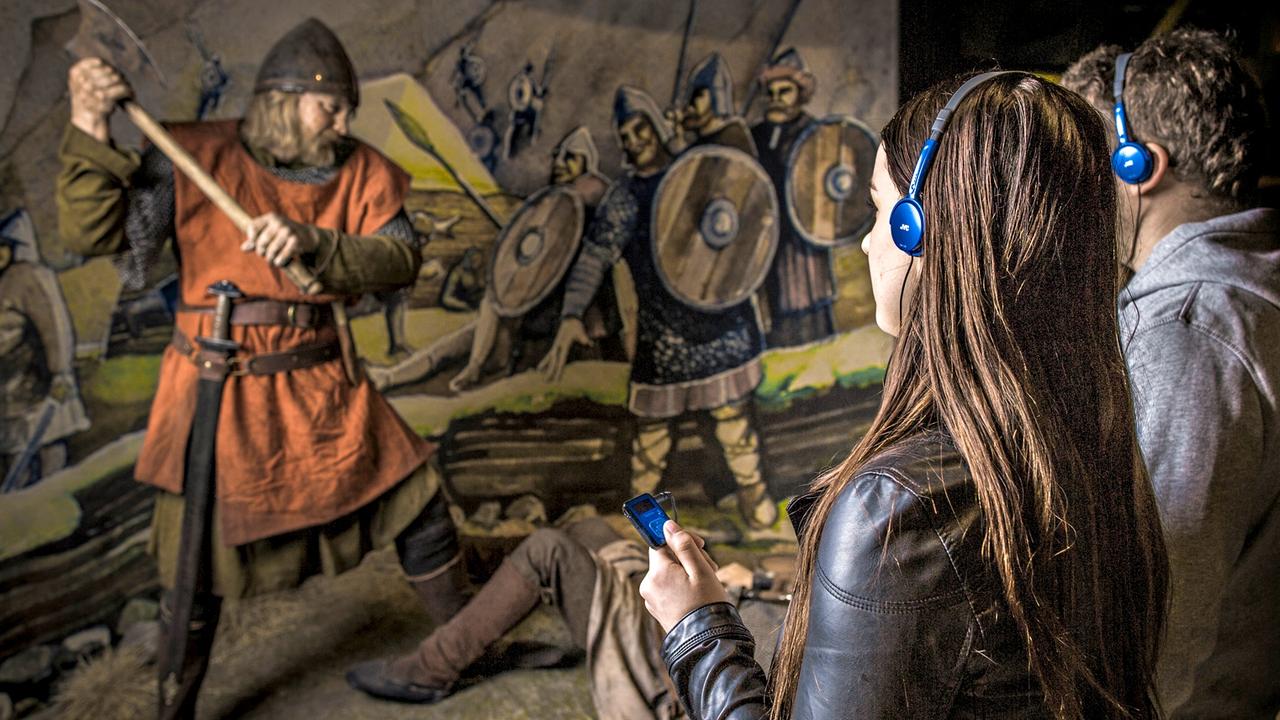
Five Must-See Icelandic Museums
-
 Loading...
 - Valentina Bianco
- 21 Mar 2025
- 29 Views
- 0 Like
- 0 Comment
Iceland is rich in history, culture, and natural wonders, and its museums offer a fascinating glimpse into the country's heritage and artistic achievements. Here are five must-see museums that showcase the unique aspects of Icelandic life and history:
1. National Museum of Iceland (Þjóðminjasafn Íslands)
Located in Reykjavík, the National Museum of Iceland is the premier institution for understanding Iceland's cultural history. The museum features a comprehensive collection of artifacts, from the Viking Age to modern times, including tools, clothing, and art. The permanent exhibition, "Making of a Nation," provides an insightful overview of Iceland's history, showcasing how the country has evolved over the centuries.
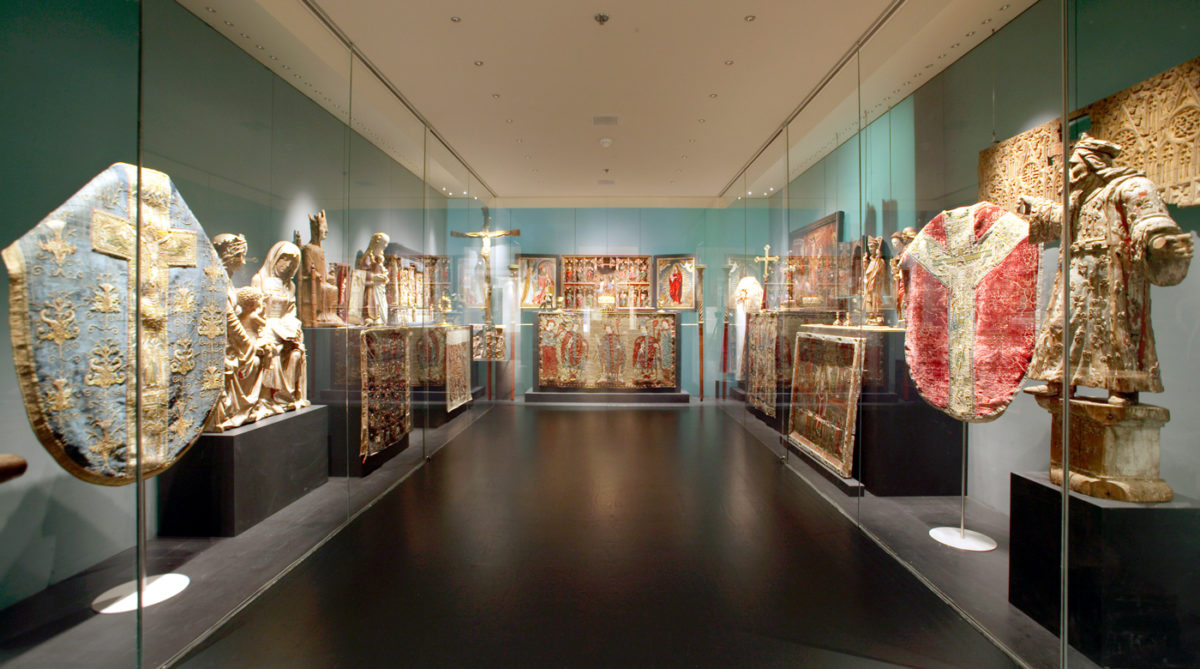
2. Reykjavík Art Museum (Listasafn Reykjavíkur)
As the largest visual art institution in Iceland, the Reykjavík Art Museum consists of three locations: Hafnarhús, Kjarvalsstaðir, and Ásmundarsafn. Each venue offers a unique perspective on Icelandic and international art. Hafnarhús focuses on contemporary art, Kjarvalsstaðir showcases works by the famous Icelandic painter Jóhannes S. Kjarval, and Ásmundarsafn features sculptures by Ásmundur Sveinsson. Together, they provide a rich exploration of Iceland's artistic landscape.
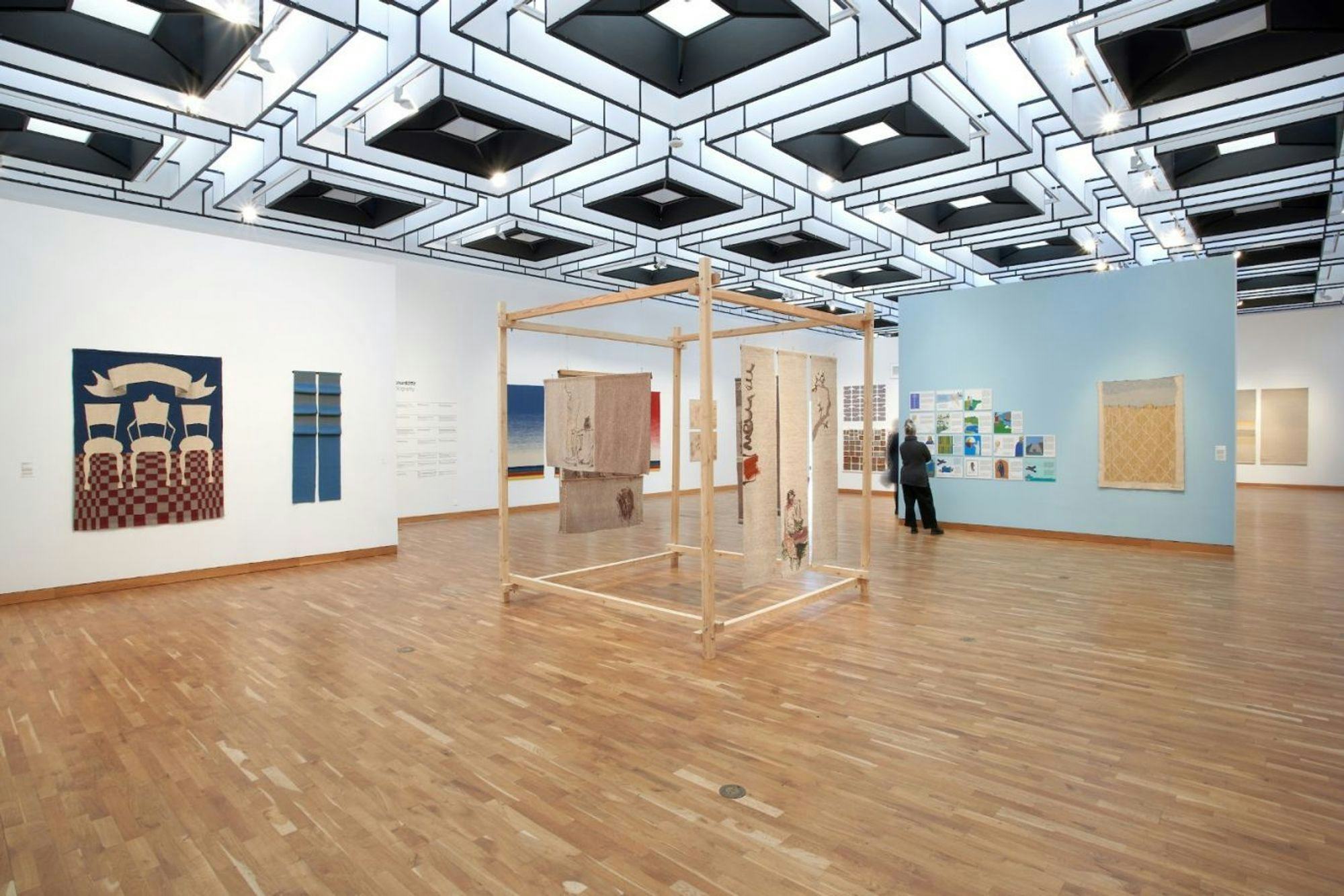
3. The Settlement Exhibition (Landnámssýningin)
Situated in the heart of Reykjavík, The Settlement Exhibition is built around the ruins of a Viking longhouse, dating back to the 10th century. The exhibition offers an immersive experience that highlights the early settlement of Iceland, featuring interactive displays, multimedia presentations, and artifacts that tell the story of the first settlers. It’s a fascinating way to connect with Iceland's Viking heritage.
4. Icelandic Phallological Museum (Íslenska Fólkfræðisafnið)
For a more unconventional museum experience, the Icelandic Phallological Museum in Reykjavík is dedicated to the study of penises from various species, including humans. With a collection of over 200 specimens, the museum explores the cultural significance of the phallus in Icelandic folklore and history. It’s a quirky yet educational stop that offers a unique perspective on human anatomy and cultural attitudes.
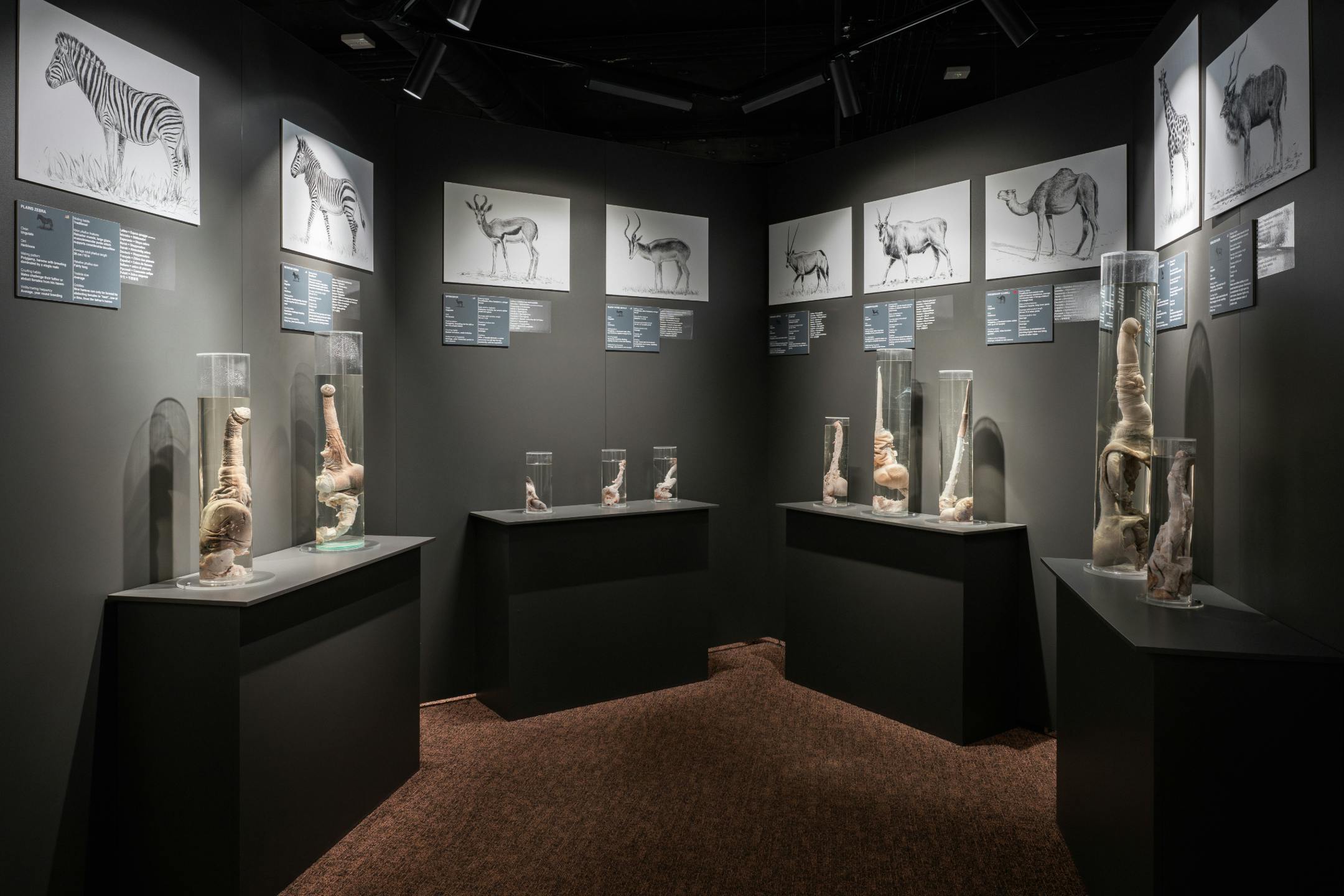
5. The Maritime Museum (Sjóminjasafnið)
Located in Reykjavík's old harbor, the Maritime Museum celebrates Iceland's rich maritime history. The museum features exhibits on fishing, shipbuilding, and the importance of the sea to Icelandic culture. Highlights include a restored fishing trawler and displays on the evolution of fishing techniques. The museum provides insight into how the ocean has shaped Iceland's economy and way of life.
These five museums offer a diverse range of experiences that highlight Iceland's history, art, and culture. Whether you're interested in Viking heritage, contemporary art, or quirky exhibits, these institutions provide a deeper understanding of what makes Iceland unique.