Five Venezuelan animals in danger of extinction
-
 Loading...
 - Willie Morgan
- 21 Aug 2024
- 47 Views
- 0 Like
- 0 Comment
Venezuela is home to a rich diversity of wildlife, but many of its animal species are facing the threat of extinction due to a combination of human activities and environmental changes. Here are five Venezuelan animals that are currently endangered:
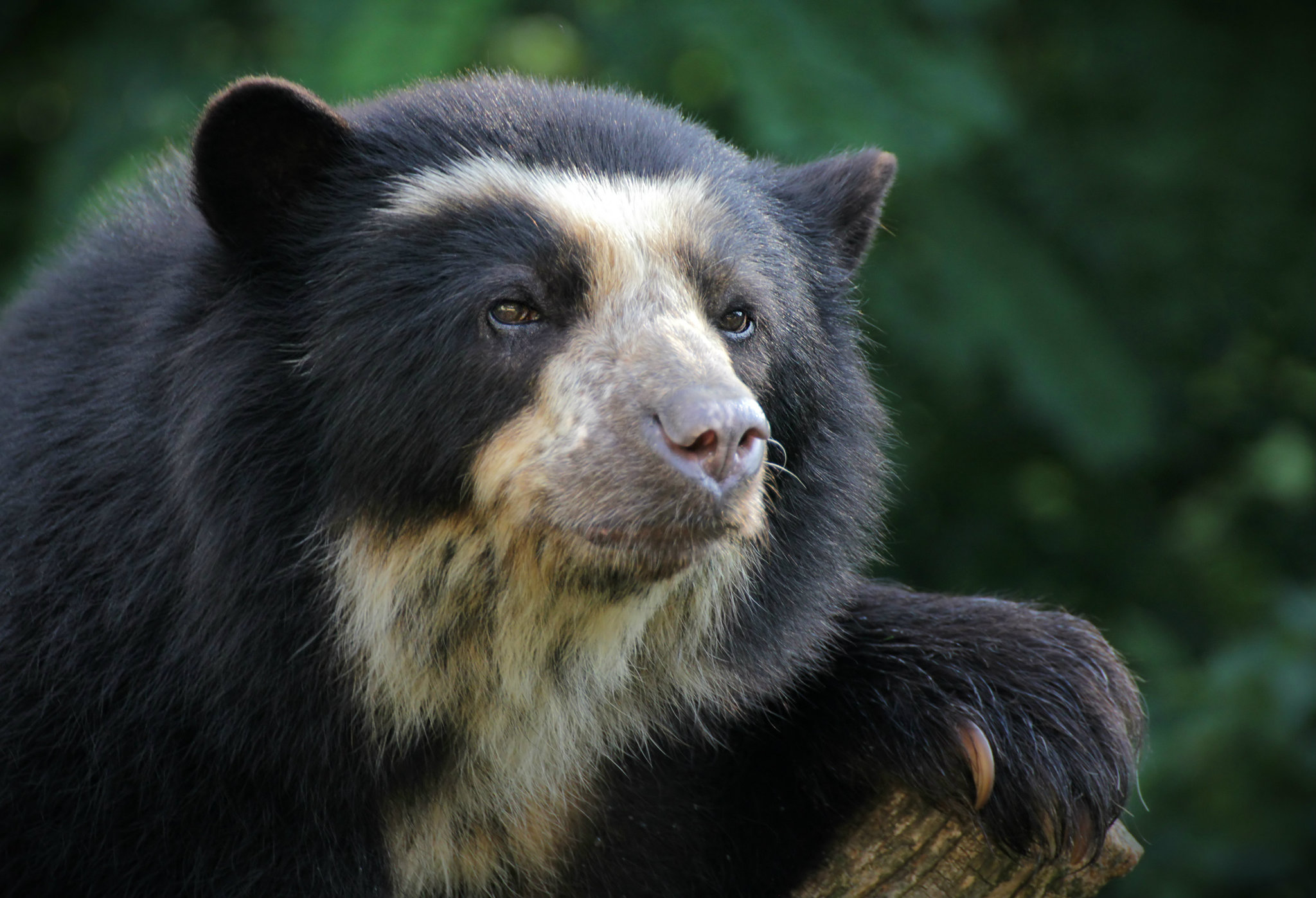
1. Spectacled Bear (Tremarctos ornatus)
Habitat: The Venezuelan Andes
Threats: Habitat fragmentation due to deforestation, agricultural expansion, and poaching for its skin and meat.
Population: Only about 1,500 to 2,000 individuals remain in the wild.
Conservation Status: Vulnerable, with urgent need for habitat protection and anti-poaching measures.
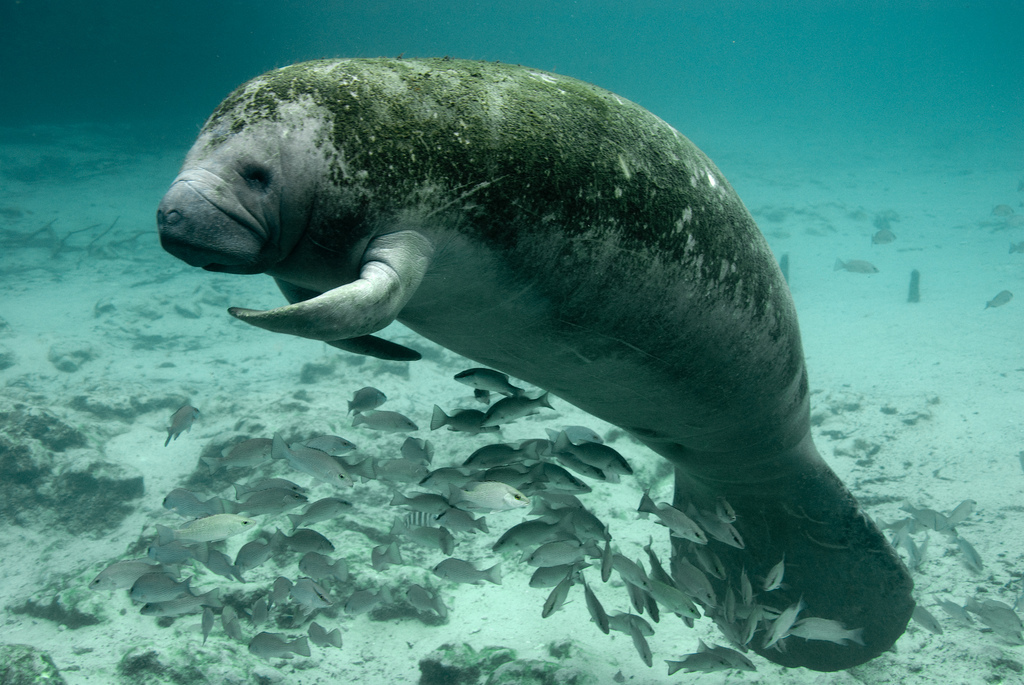
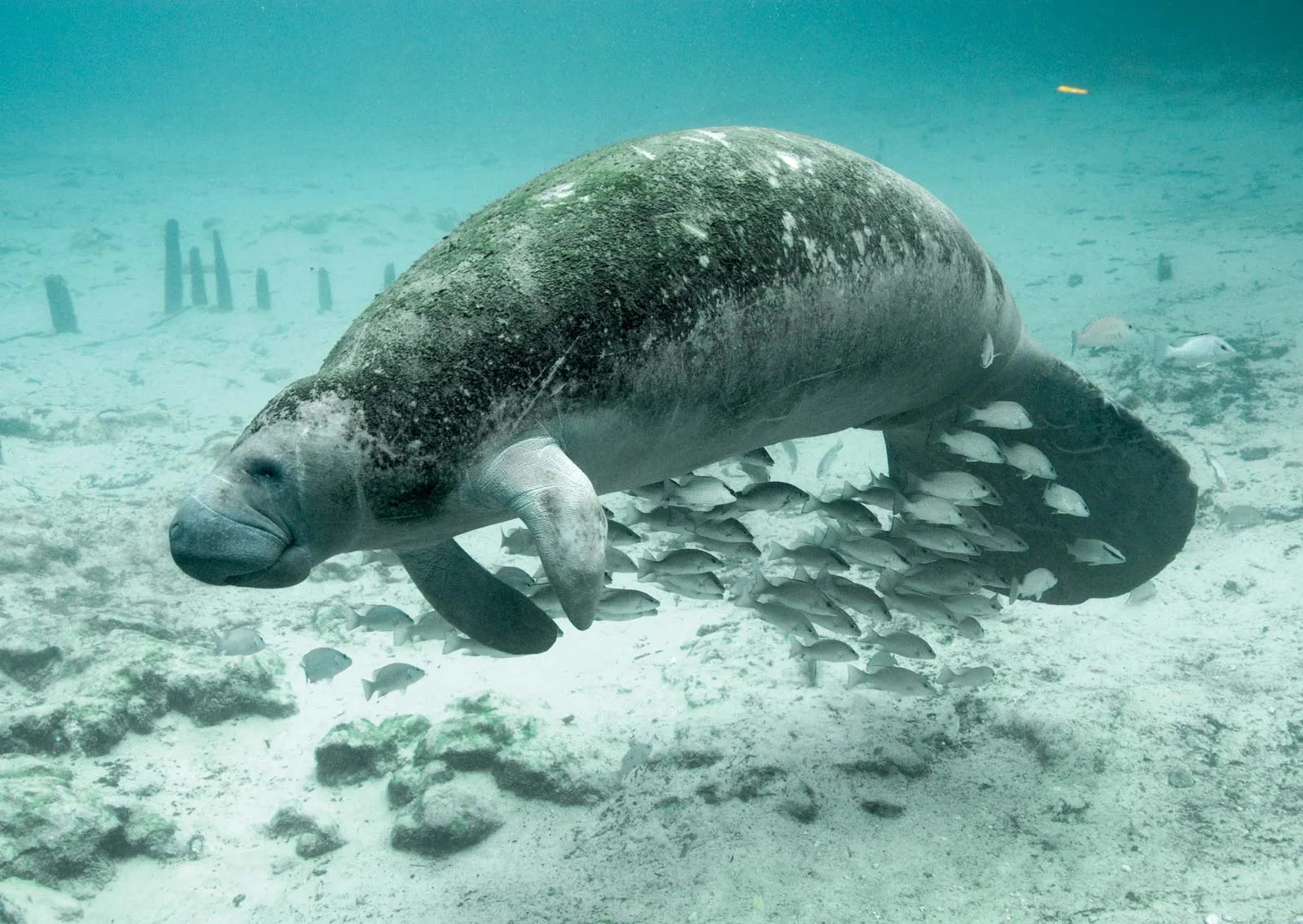
2. Caribbean Manatee (Trichechus manatus)
Habitat: Rivers and coastal waters
Threats: Poaching for meat and skin, collisions with vessels, and habitat degradation.
Population: Only about 300 to 500 individuals left in Venezuela.
Conservation Status: Critically endangered, requiring stronger protections against hunting and habitat destruction.
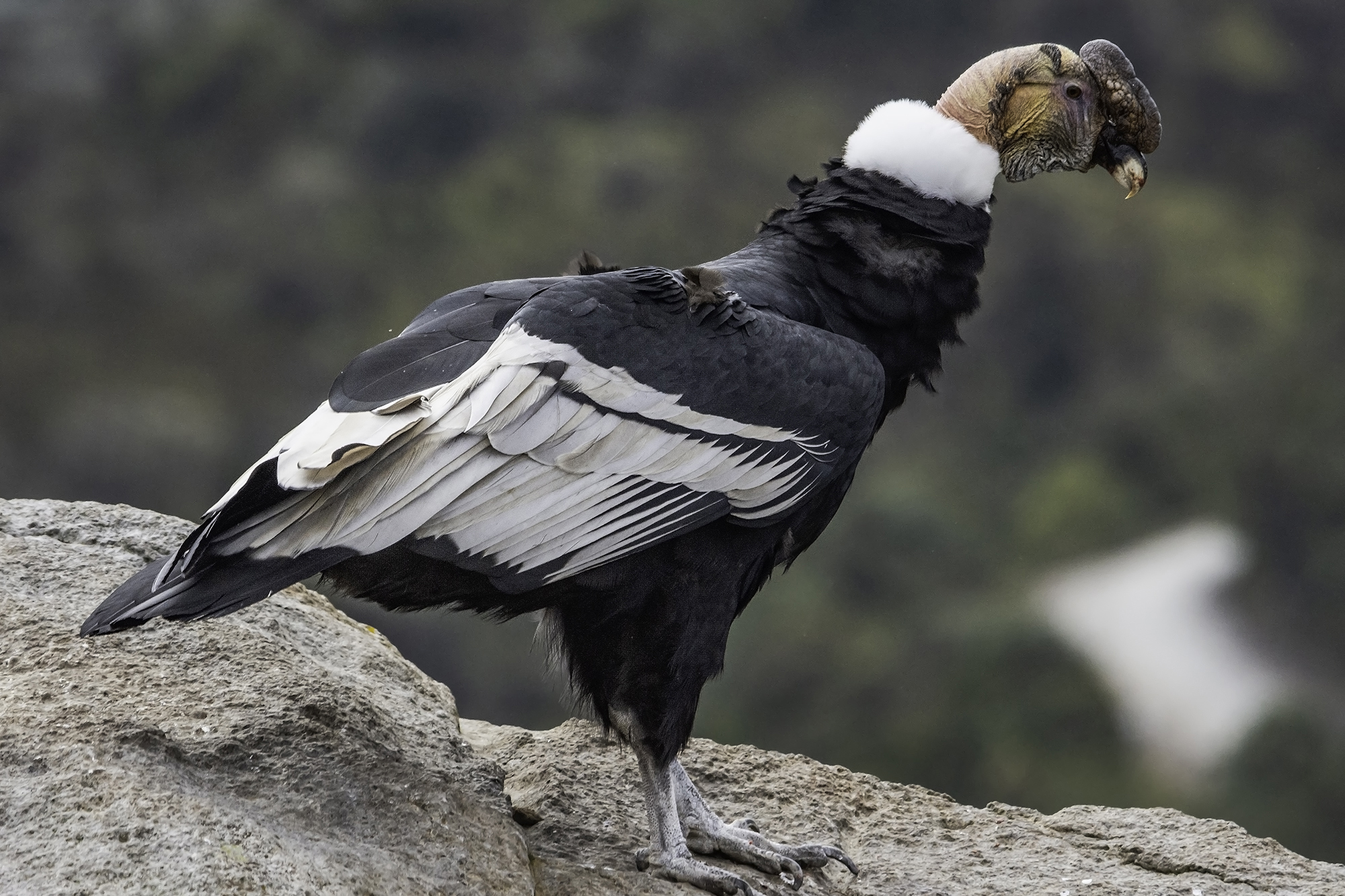
3. Andean Condor (Vultur gryphus)
Habitat: Andean mountain ranges
Threats: Poaching, poisoning from contaminated carrion, and habitat destruction.
Population: Only about 1,300 to 1,600 individuals remain in the wild.
Conservation Status: Critically endangered, with a focus on protecting their habitat and reducing human-wildlife conflict.

4. Arrau Turtle (Podocnemis expansa)
Habitat: Amazonian rivers
Threats: Poaching for eggs and meat, pollution of rivers.
Population: Estimated between 25,000 and 100,000 mature individuals.
Conservation Status: Critically endangered, with conservation efforts needed to protect nesting sites and reduce poaching.

5. Yellow-headed Parakeet (Aratinga euops)
Habitat: Venezuelan plains
Threats: Habitat destruction due to agricultural expansion, illegal pet trade, and competition with other species.
Population: Estimated between 5,000 and 10,000 individuals.
Conservation Status: Endangered, with conservation efforts needed to protect remaining habitats and curb illegal trade.
Each of these species represents a critical part of Venezuela's natural heritage, and their preservation is essential for maintaining the country's biodiversity. Conservation efforts are needed to address the threats they face and ensure their survival for future generations.