Four Daughters is a Tunisian masterpiece – what makes the film groundbreaking
-
 Loading...
 - Bogdan Sidorov
- 21 Aug 2024
- 102 Views
- 0 Like
- 0 Comment
"Four Daughters," directed by Tunisian filmmaker Kaouther Ben Hania, has garnered widespread acclaim as a groundbreaking film that masterfully blends documentary and fiction to explore complex themes of family, identity, and radicalization. This film stands out not only for its innovative narrative structure but also for its profound social and cultural commentary, making it a significant work in contemporary Tunisian and global cinema.
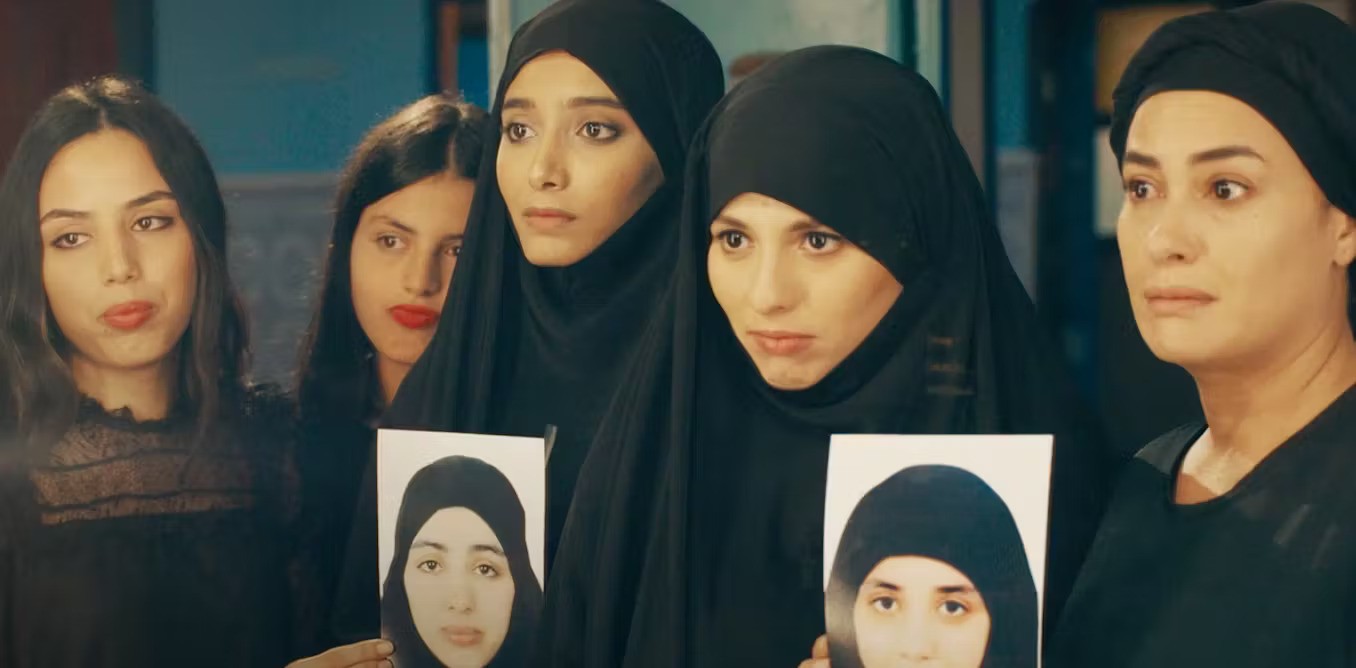
One of the most groundbreaking aspects of "Four Daughters" is its hybrid narrative form, which blurs the lines between documentary and fiction. Ben Hania uses real-life testimonies from Olfa Hamrouni, a Tunisian mother, alongside re-enacted scenes performed by professional actors. This fusion creates a powerful and immersive experience, allowing the audience to engage with the story on multiple levels. The film's structure challenges traditional storytelling, offering a fresh perspective on how personal and collective histories can be portrayed on screen.
"Four Daughters" delves into the sensitive and timely issue of radicalization, particularly focusing on how it affects families. The film tells the true story of Olfa Hamrouni and her four daughters, two of whom were radicalized and joined ISIS in Libya. By exploring the psychological and emotional impact of this radicalization on the family, Ben Hania provides a nuanced and humanized portrayal of a topic that is often oversimplified in media narratives. The film's intimate examination of this issue sheds light on the personal and societal factors that contribute to radicalization, making it a significant contribution to discussions around extremism.
At its core, "Four Daughters" is a feminist film that highlights the struggles and resilience of women in a patriarchal society. The film centers on Olfa and her daughters, offering a rare and honest portrayal of their lives, emotions, and choices. Ben Hania's decision to focus on the experiences of women, and to give them agency in telling their own stories, challenges traditional gender roles and expectations in Tunisian society. This feminist perspective adds depth to the film's exploration of identity, freedom, and the consequences of living in a society that often marginalizes women.
The film also serves as a profound cultural and social commentary on contemporary Tunisian society. Through the lens of one family's story, "Four Daughters" addresses broader issues such as the effects of political instability, the role of women in society, and the impact of socio-economic conditions on individual choices. Ben Hania's sensitive and insightful portrayal of these themes offers a window into the complexities of life in Tunisia, making the film a valuable piece of social documentation.
While "Four Daughters" is deeply rooted in the specific context of Tunisia, its themes are universal and resonate with audiences worldwide. The film's exploration of family dynamics, the search for identity, and the impact of radicalization are issues that are relevant across cultures and borders. This universal appeal is part of what makes the film groundbreaking, as it connects with viewers on a deeply emotional level, regardless of their background.
"Four Daughters" is a groundbreaking Tunisian masterpiece that stands out for its innovative narrative structure, its exploration of radicalization, its feminist perspective, and its insightful cultural commentary. Kaouther Ben Hania has crafted a film that is both artistically bold and socially relevant, making it a significant work in the landscape of contemporary cinema. Through its powerful storytelling and its focus on the experiences of women, "Four Daughters" challenges audiences to think critically about the issues it presents, leaving a lasting impact long after the credits roll.