Four species added to South Africa's list of protected trees
-
 Loading...
 - Faith Jackson
- 04 Apr 2022
- 339 Views
- 0 Like
- 0 Comment
When a tree is declared under the National Forest Act, no person may cut, disturb or damage any part of the tree. A person also may not possess, remove, purchase or sell the tree, unless a permit is issued. The four new species added to South Africa’s list of protected species are:
Manketti (Schinziophyton rautanenii)
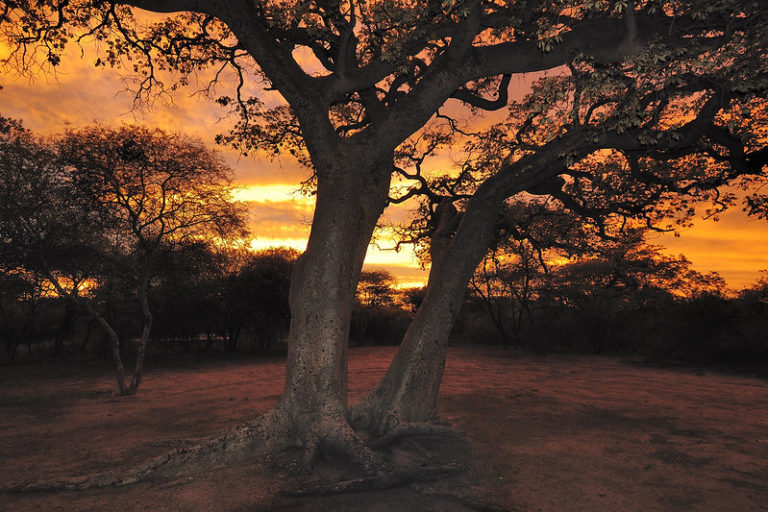
The Manketti, also known as the Mongongo tree is one of the most widely distributed trees in the savannah landscape, but rare in South Africa, only found in dry areas of the Kalahari. This deciduous tree can reach up to 25m in height, and the fruits and nuts of the form an important part of people’s diets.
An edible oil can be extracted from the seeds and used for cooking and hygiene products. The Manketti seeds are often used in various cosmetic products such as body rubs and moisturisers.
Jackalberry (Diospyros mespiliformis)

This tree is known as one of the Savannah giants that can live up to 200 years, as well as showcasing a symbiotic network with many living organisms, from human beings to small insects.
The sizable tree, which can reach a height of 25m, supports an abundance of wildlife from bees to wasps, with the fruit an important food source for wildlife.
In South Africa the tree is not threatened, but because of its important role in the ecosystem, it deserves protection.
Red Ivory (Berchemia zeyheri)
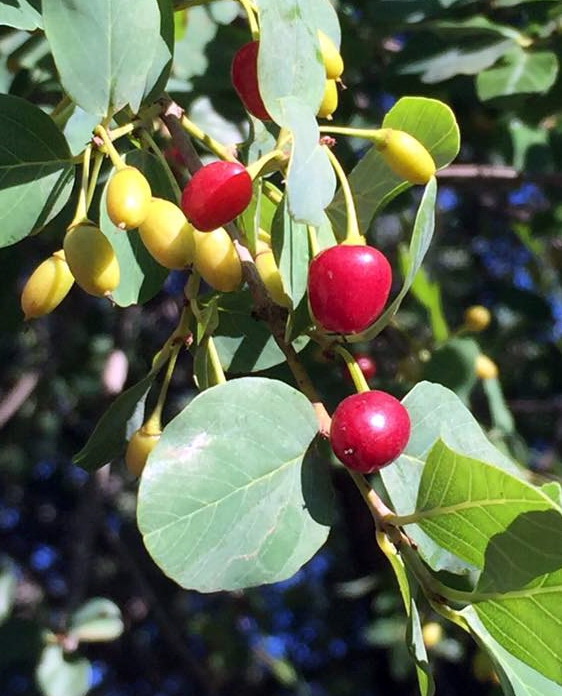
A drought-tolerant, semi-deciduous tree that can reach up to 15m in height, the tree occurs naturally from Zimbabwe down to Limpopo, KwaZulu-Natal and the Eastern Cape
The tree also produces edible fruit, which is a source of food for humans and wildlife where the tree occurs. The tree was also known as the royal tree of the Zulu people, with only chiefs allowed to carry knob-kerries made from it.
Red Ivories produce wood of excellent quality, sometimes called pink ivory due to the colour of the wood. The inclusion of this tree on the protected list will hopefully mitigate the illegal harvesting of wood that’s starting to become a problem. Read More…


