French PM survives two no-confidence votes over pension reforms
-
 Loading...
 - Mesi Osama
- 23 Mar 2023
- 54 Views
- 0 Like
- 0 Comment
Élisabeth Borne and her government will continue in their roles. The pension reform has to now go before France's Constitutional Court before it can be adopted into law
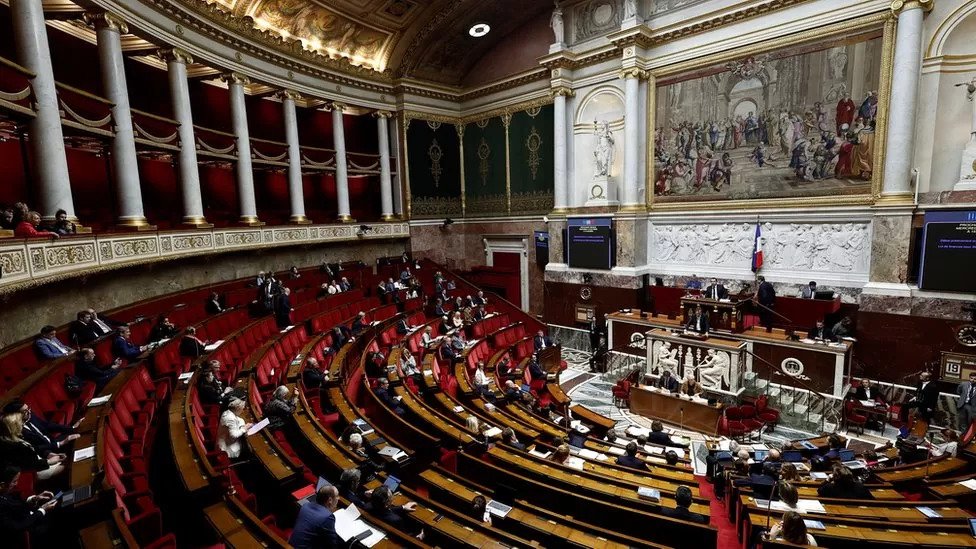
Prime Minister Élisabeth Borne and her government have survived two no-confidence votes in the French parliament.
They were triggered after she pushed through controversial pension reform plans -- which include raising the minimum pension age from 62 to 64 -- without a vote.
The first no-confidence vote on Monday (March 20) was initiated by LIOT, a group of 20 left- and right-wing MPs, and had support from several different parliamentary parties. But it failed to get the necessary support, falling 9 short of the 287-vote majority needed.
The second no-confidence vote failed by a far greater margin. The far-right Rassemblement National had brought it before MPs but it only gathered 94 of the 287 votes needed.
The pension reforms now have to go to France's Constitutional Court before they can be adopted into law.
The votes came after Ms Borne's use of the 49:3 article, which caused a considerable backlash.
The decision also sparked protests across France at the weekend (March 18-19) with some protestors clashing with police.
If the no-confidence motions had succeeded, Emmanuel Macron would not have been at risk of losing his job as president. But the positions of Ms Borne and the government would have been in peril. Read More…