French President Says Not All European Allies Agree on Proposed Force for Ukraine
-
 Loading...
 - Flavia Donato
- 28 Mar 2025
- 35 Views
- 0 Like
- 0 Comment
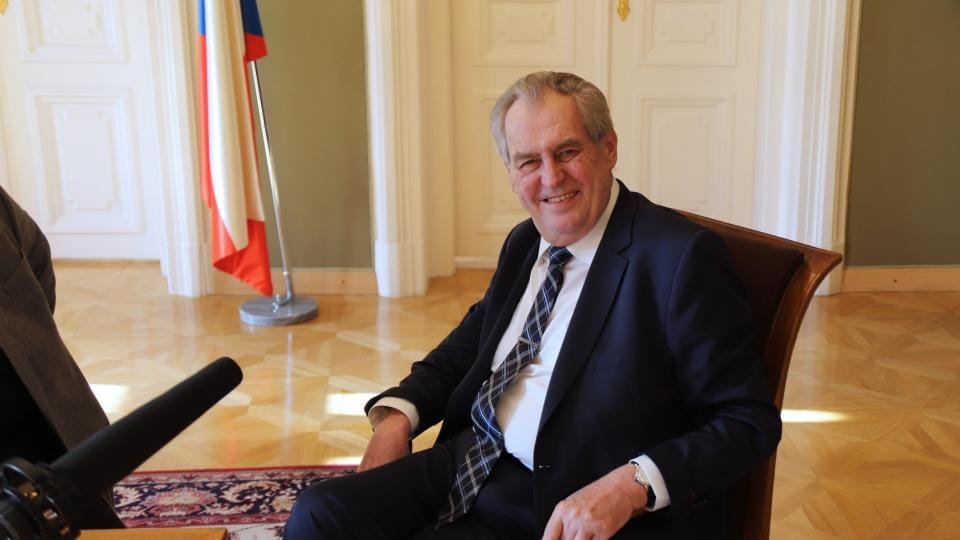
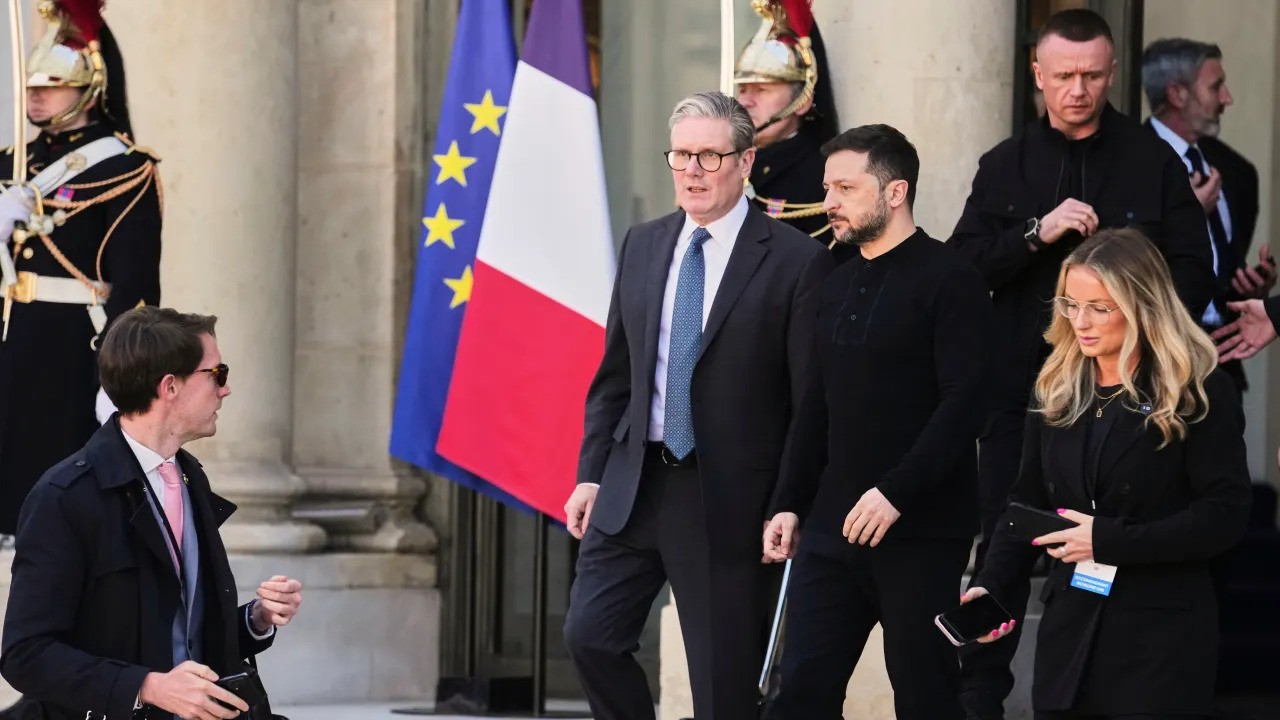
French President Emmanuel Macron announced that France and Britain will continue to advance plans to deploy troops in Ukraine to support a potential peace deal with Russia. However, he noted that not all European nations are on board with this initiative. Following a summit of nearly 30 countries, Macron stated that while several nations are interested in participating, “it is not unanimous.”
The proposed force aims to secure any peace agreement by deterring further Russian aggression. Macron emphasized that unanimity is not required to move forward, stating, “We do not need unanimity to achieve it.” French and British military officials will collaborate with Ukraine to determine the necessary troop deployments and numbers to establish a credible deterrent.
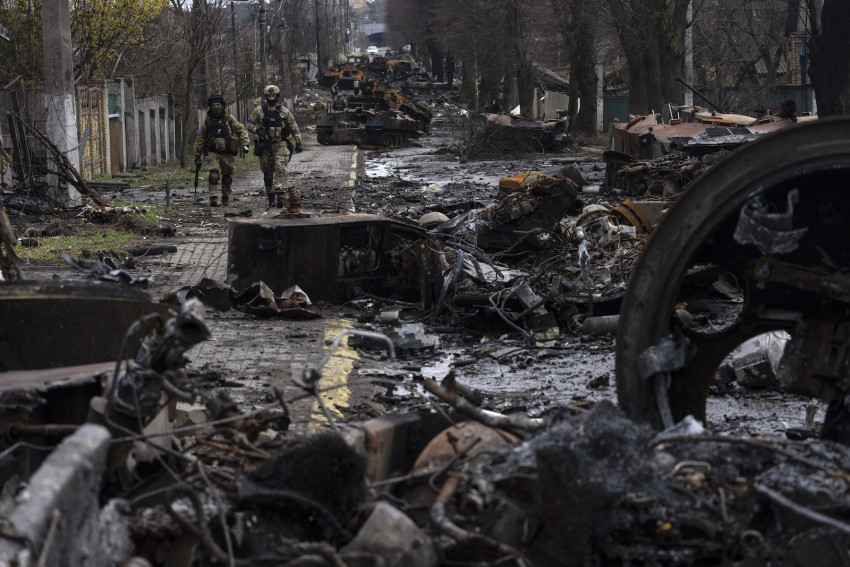
The summit, which included NATO and European Union leaders, took place at a critical moment in the ongoing conflict, with intensified diplomatic efforts to negotiate ceasefires. Despite these efforts, fighting continues, as evidenced by recent Russian drone attacks that injured over 20 people and heavy shelling that resulted in casualties and power outages in Kherson.
Macron and other leaders accused Russia of merely pretending to seek a negotiated settlement. U.K. Prime Minister Keir Starmer remarked, “They are playing games and they’re playing for time,” stressing the need to prevent Russia from prolonging the conflict while continuing its invasion.
While U.S.-brokered agreements have been made to safeguard shipping in the Black Sea and halt long-range strikes on energy infrastructure, disagreements between Ukraine and Russia over the details have complicated the peace process.
European Concerns and U.S. Support
Some European countries are hesitant to commit to a potential deployment in Ukraine due to uncertainty about U.S. support, particularly under the leadership of President Donald Trump. Starmer highlighted the necessity of U.S. engagement, stating, “This will require the engagement and support of the United States.” Macron acknowledged the possibility of proceeding without U.S. backing, saying, “You have to hope for the best, but prepare for the worst.”
Building a force capable of acting as a credible deterrent—potentially comprising 10,000 to 30,000 troops—poses a significant challenge for nations that have reduced their military capabilities since the Cold War. Military planners from various countries are currently assessing the full range of European military capabilities, including aircraft, tanks, and logistics.
Greece has publicly rejected sending troops, with Prime Minister Kyriakos Mitsotakis describing the discussions as “somewhat divisive.” Italy’s Prime Minister Giorgia Meloni also reiterated that Rome would not contribute troops, emphasizing the importance of U.S. collaboration in resolving the conflict.
Sanctions and Ongoing Support
Despite differing opinions on troop deployment, summit participants largely agreed on the necessity of continuing and even intensifying sanctions against Russia to compel it to negotiate in good faith. Ukrainian President Volodymyr Zelenskyy stated, “Lifting sanctions on Russia right now would be a disaster for diplomacy,” underscoring their role as a pressure tool.
As ceasefire efforts progress, Ukraine’s allies are focused on bolstering Kyiv’s military capabilities to ensure it can continue to defend itself against Russian aggression. Macron announced a new defense aid package for Ukraine worth 2 billion euros, which will include light tanks, air defense systems, and anti-tank missiles.
As the conflict continues, recent Russian drone attacks have resulted in injuries and damage to infrastructure in Ukraine. Meanwhile, the Ukrainian Army reported successful strikes against Russian military assets, indicating ongoing hostilities despite diplomatic efforts.
The situation remains fluid, with the potential for further developments as both military and diplomatic strategies evolve in response to the ongoing war.