French Publishers Embrace Romance and Captivate a New Generation of Readers
-
 Loading...
 - Alessandra Bruno
- 09 Aug 2024
- 46 Views
- 0 Like
- 0 Comment
Romance novels, once dismissed for their simple plots and racy content, are experiencing a renaissance in France. French publishers have recognized the genre's growing popularity, particularly among young women who are discovering the joy of reading through these love stories. This shift is driven by a new wave of authors, many of whom started as readers themselves and are now writing stories that resonate with a broader audience. As a result, romance novels are not only gaining respect but also becoming a significant part of the French publishing industry.
The Rise of Romance in French Publishing
Historically, romance novels in France were often overlooked, considered to be low-brow literature with predictable plots and clichéd characters. However, in recent years, this perception has changed dramatically. Publishers like Hugo, which initially did not focus on romance, now report that these novels make up about 60% of their business. Benita Rolland, who oversees Hugo's international romance division, acknowledges the genre's immense impact, noting, "It's a big part of the business, it's huge."
This new wave of romance novels is different from the past. Gone are the days of euphemistically described love scenes and covers featuring stereotypical romantic heroes. Instead, today's romance novels, often referred to as "new romance" or "young adult romance," are more contemporary, reflecting the interests and experiences of modern readers.
From Reader to Writer: The Journey of Romance Authors
Many of the new romance authors in France began their careers as readers, particularly of English-language bestsellers like E.L. James's Fifty Shades of Grey. This trend has given rise to a new generation of writers who are deeply connected to their audience, often starting their journey on online self-publishing platforms before being picked up by traditional publishers.
CS Quill, a popular French romance author, exemplifies this trend. She started writing her own love stories as a teenager, sharing her work online. Her success as a writer was rooted in her love for the genre, and she remains a fan at heart. "I'm a big fan girl," Quill admits, emphasizing that romance is more than just sex scenes. She highlights the complexity of the genre, with character development and plot twists that add depth to her stories.
Quill, like many other romance writers, pushes back against the notion that romance novels lack literary value. "People still believe that this is not true literature. They're absolutely wrong," she asserts, pointing to the emotional evolution of her characters and the societal issues they explore.
The Influence of English-Language Romance on French Writers
The resurgence of romance in France can be traced back to the success of English-language novels in the genre. EL James's Fifty Shades of Grey, published in 2011, played a pivotal role in popularizing romance among French readers. Recognizing this trend, Benita Rolland began exploring the genre about a decade ago, inspired by the popularity of self-published authors like Anna Todd in the United States.
Hugo, the publisher where Rolland works, acquired the rights to Todd's After series, which had gained a massive following on the Wattpad platform. The response in France was overwhelming. "When I saw what Anna Todd did in the States, I thought we should give it a try," Rolland recalls. Todd's visit to Paris for a book signing was reminiscent of a Beatles concert, with fans crying and screaming in excitement.
The "French Touch" in Romance Novels
While many French romance authors draw inspiration from English-language books, they infuse their stories with a distinctly French sensibility. CS Quill, for instance, sets most of her books in the United States, as she finds inspiration in the American landscape and culture. However, she believes her approach to storytelling is uniquely French, even if it is difficult to define precisely what that means. "It's maybe in the expressions we use," she says. "It’s another culture, so we have another way of seeing things."
Despite the cultural differences, romance remains a universal genre. The familiar tropes of love triangles, "enemies-to-lovers" arcs, and happy endings are central to the genre's appeal. Quill acknowledges the importance of these elements, noting, "There is a kind of contract when you write a romance, and as a reader, you expect certain things, like a happy ending." These clichés, as she describes them, provide readers with a satisfying and comforting experience.
Building a Romance Community
One of the unique aspects of the romance genre in France is the close connection between authors and their readers. Romance writers in France often cultivate a dedicated following by sharing their lives and work online. This constant interaction creates a sense of community among fans, who feel a personal connection to the authors.
Benita Rolland observes, "The authors really have a community. And every single day they post something online about their lives, something about their books, something about what they’re writing next." This engagement goes beyond the books themselves, becoming a way of life for both writers and readers.
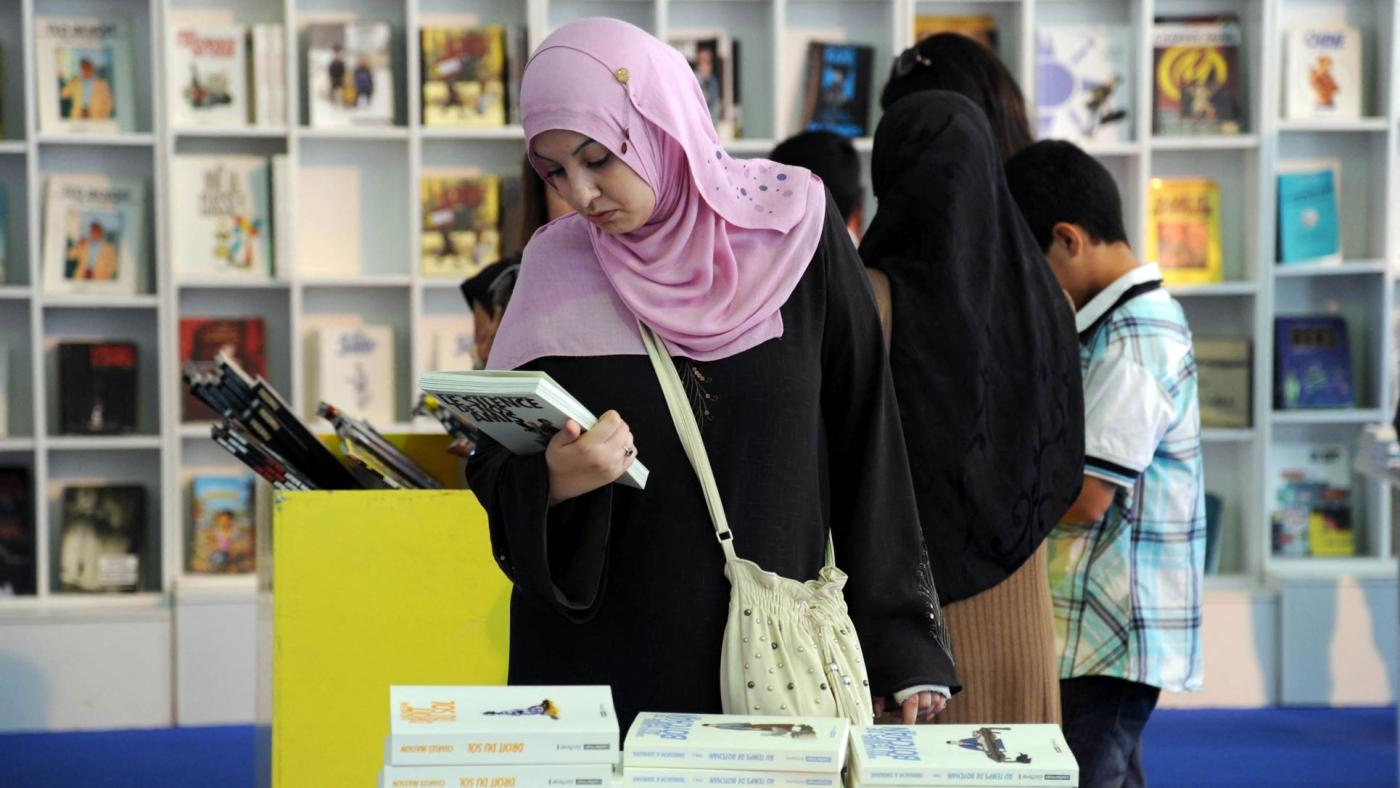
For young fans like Merveille, a 19-year-old student who attended the Paris Book Fair, following authors online is part of the excitement. "I like to see how an author works out how to write a new book," she explains. Romance novels, she adds, transport her to another universe, offering intrigue, mystery, and, of course, romance.
Creating a New Generation of Readers
Romance novels are playing a crucial role in encouraging young people to read. The accessible language, familiar tropes, and engaging plots make these books an ideal entry point for new readers. Emma, an 18-year-old fan of the genre, admits that she doesn't read much outside of romance, but these books have sparked a newfound enthusiasm for reading. "I like escapism, and I can read these books a bit without pressure, without having to dig too deep to find the story," she says.
For editor Benita Rolland, this is one of the genre's most significant achievements. Romance novels have not only drawn young fans away from social media but have also created a new generation of readers. "The thing I like about romance is that we have made many girls read," Rolland proudly notes.
The resurgence of romance novels in France is a testament to the genre's enduring appeal and its ability to evolve with the times. French publishers, recognizing the potential of this market, have embraced romance, giving rise to a new generation of authors and readers. As these stories continue to captivate audiences, the genre is proving that it is far more than just escapist fiction—it is a vibrant and essential part of contemporary literature.