From Quantity To Quality: Fashion ‘Demand Deepening’ Begins In China, BCG Report
-
 Loading...
 - bakti Yanti
- 08 Jun 2023
- 97 Views
- 0 Like
- 0 Comment
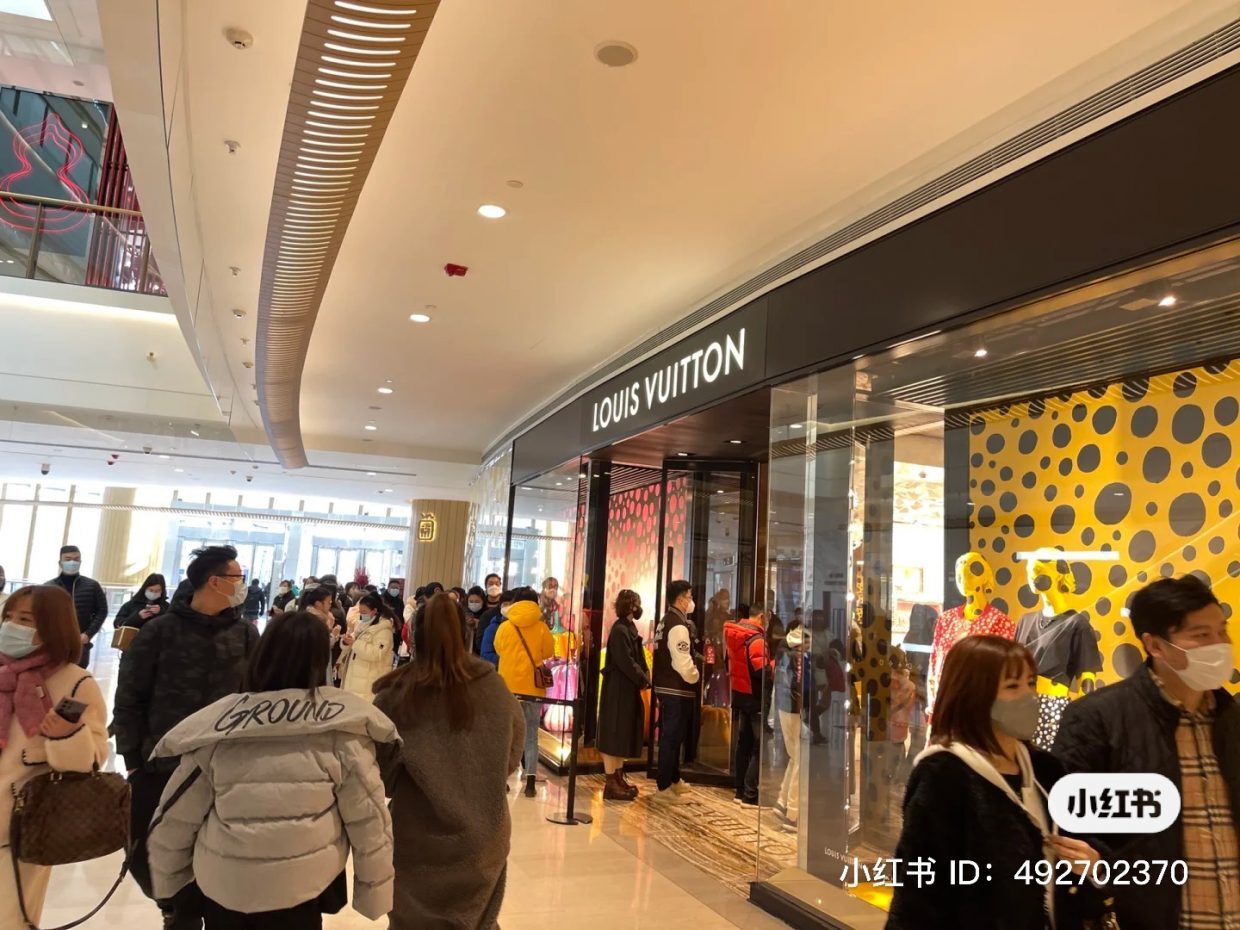
China's luxury market is poised to enter a new phase characterized by increasing wealth and evolving preferences, resulting in a growing demand for fashion, according to Boston Consulting Group (BCG), an American consulting firm. BCG's latest report in Chinese suggests that the rebound in luxury spending following the Covid-19 pandemic will continue for the next ten years. The Chinese market for footwear and fashion apparel is expected to expand both in terms of quantity and quality, driving the overall market size to approximately $424.7 billion (3 trillion RMB) over the next decade.
BCG highlights that Chinese consumers' appetite for luxury goods and services will continue to rise, although at a slower pace compared to previous periods. Consumers are becoming increasingly willing to invest in higher quality products and services. The report also notes that China's fashion and luxury market still has room to mature, given that per capita clothing consumption in the country is only a fraction of that in developed nations like the US and Japan.
According to the report, China is entering a phase of "demand deepening" in the fashion industry. This means that the consumption patterns in the luxury and fashion sectors will undergo a shift, similar to what has been observed in other developed countries. Consumers will deepen their demand for high-quality products. Li Yang, partner and managing director at BCG, explains in the report that the number of affluent consumers in China will continue to grow, while the upper-middle class will become more discerning about their fashion and luxury preferences.
The report attributes the accelerated growth to the dual impact of increasing demand and economic pressure. Despite a rise in unemployment among China's younger generations, the middle-class population is expected to double and reach 500 million by 2030, as stated in a recent report by Bain & Company, a management consulting firm. Additionally, McKinsey, another management consulting firm, predicts that by 2025, a total of 7.6 million Chinese households will spend $145 billion (1 trillion RMB) on luxury products, twice the level of spending in 2016.
The fashion market will experience steady growth alongside the rising incomes of upper and middle-class consumers. BCG states that the upward mobility of China's affluent and middle classes will also drive the expansion of mid to high-end brands, following the trend of American-style premiumization. Furthermore, the growing emphasis on quality will result in more discerning purchasing patterns as consumers develop refined tastes and seek fewer but higher quality products and experiences, similar to the "rational" and minimalist buying mindsets observed in Japan. According to BCG, China's luxury market will become a fusion of American premiumization and Japanese rationalism.
To navigate these forthcoming changes, luxury brands can enhance their brand identities, stories, and messaging by adopting more nuanced positioning. Strengthening supply chains and implementing targeted digital marketing strategies are also crucial steps. For example, brands should recognize that China's middle class now values "less but better" and adjust their offerings accordingly. Additionally, the ability to adapt and refine products quickly in response to changing preferences relies on strong supply chain capabilities. Finally, brands should expand their digital marketing efforts to effectively reach China's increasingly diverse consumer groups.