Georgian in turmoil, is Hungary next?
-
 Loading...
 - Rodas Varma
- 14 Mar 2023
- 72 Views
- 0 Like
- 0 Comment
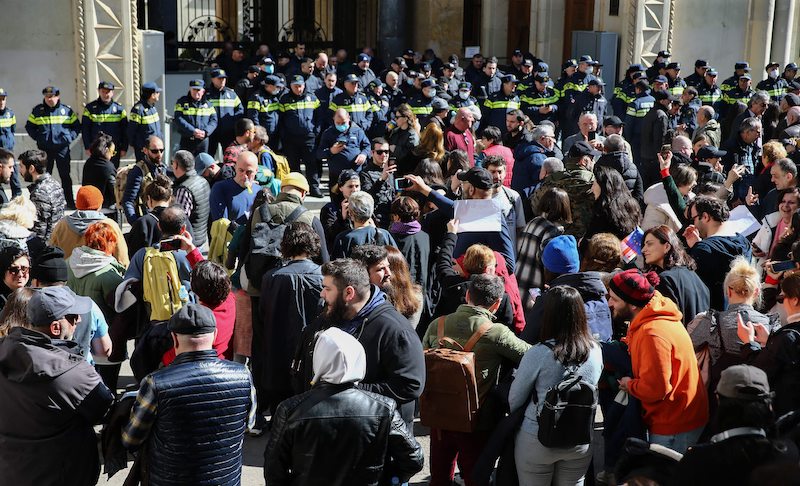
As protests erupted in Georgia against the proposed "foreign agent" bill, some critics argued that the move was a part of a larger pattern of US influence and color revolutions in the region.
The bill, which was withdrawn after two days of protests, would have required organizations receiving more than 20% of their funding from overseas to register as "foreign agents" or face substantial fines. Protesters in Georgia compared the proposed law to Russia's 2012 legislation, which has been used to suppress western-funded NGOs and media.
Some Georgians fear that the introduction of such a law would harm the country's chances of joining the EU. The opposition has vowed to continue protesting until the government formalizes the legislation's withdrawal and releases all detained protesters, but later has demanded the resignation of the parliament.
Interestingly, The Foreign Agent Law (also known as Foreign Agents Registration Act or FARA) is a US law that was first passed in 1938. It requires individuals and organizations working on behalf of foreign governments, political parties, or lobbying organizations to register with the US Department of Justice and disclose their activities, finances, and relationships with foreign entities.
The law was originally enacted to counteract Nazi propaganda efforts in the US prior to World War II. In recent years, the law has gained renewed attention due to concerns over foreign interference in US elections and political affairs, particularly from Russia.
Other countries have passed similar laws, including Canada, Australia, and Israel, among others. The exact requirements and penalties vary by country, but generally, individuals and organizations are required to register with government agencies and disclose their activities, and failure to do so can result in fines, imprisonment, or deportation. Read More…