German museums may have thousands of looted relics from China's Imperial Palace, research group believes
-
 Loading...
 - Zach Jackson
- 27 Jan 2022
- 426 Views
- 0 Like
- 0 Comment
Seven museums in Germany have launched a joint project to research their Chinese collections for objects looted during the Boxer Rebellion, which took place in China at the turn of the nineteenth century.
In 1900, Chinese anti-colonial fighters, also known as the Boxers, attacked and killed Christian missionaries and other foreigners in a campaign to drive them out of China.
In response, countries including Germany, France and Britain invaded China and brutally suppressed the rebellion. Tens of thousands of people were killed during the war and allied soldiers subsequently occupied and plundered the Chinese Imperial Palace and other institutions in Beijing.
Researchers taking part in the "Traces of the ‘Boxer War’ in German Museum Collections" project now estimate that thousands of objects in German museums today are likely to have been looted during that time.
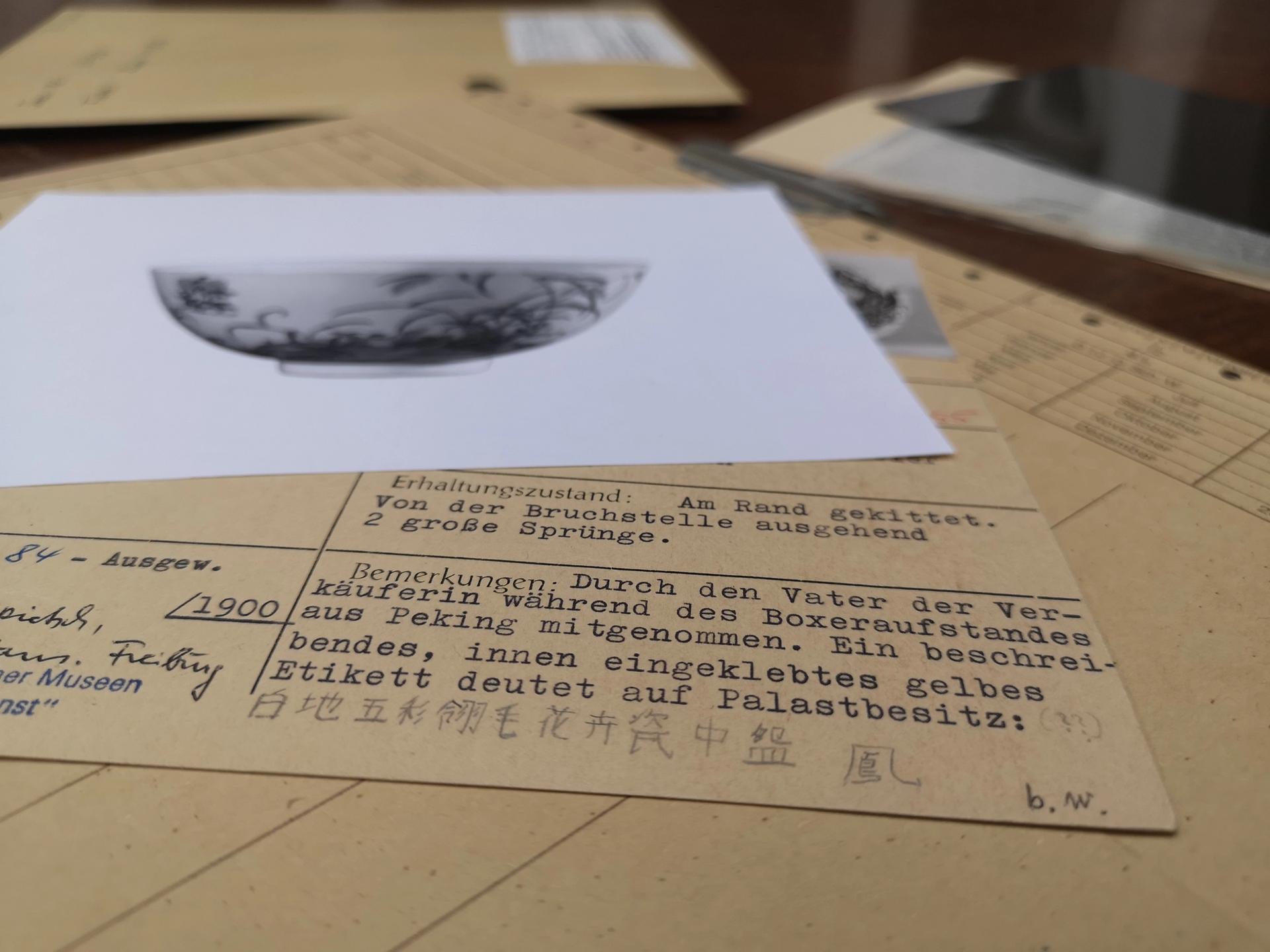
“In most cases, their problematic history is unknown, and the various ways in which they found their way into German collections have only been researched in a cursory manner,” the project’s website says.
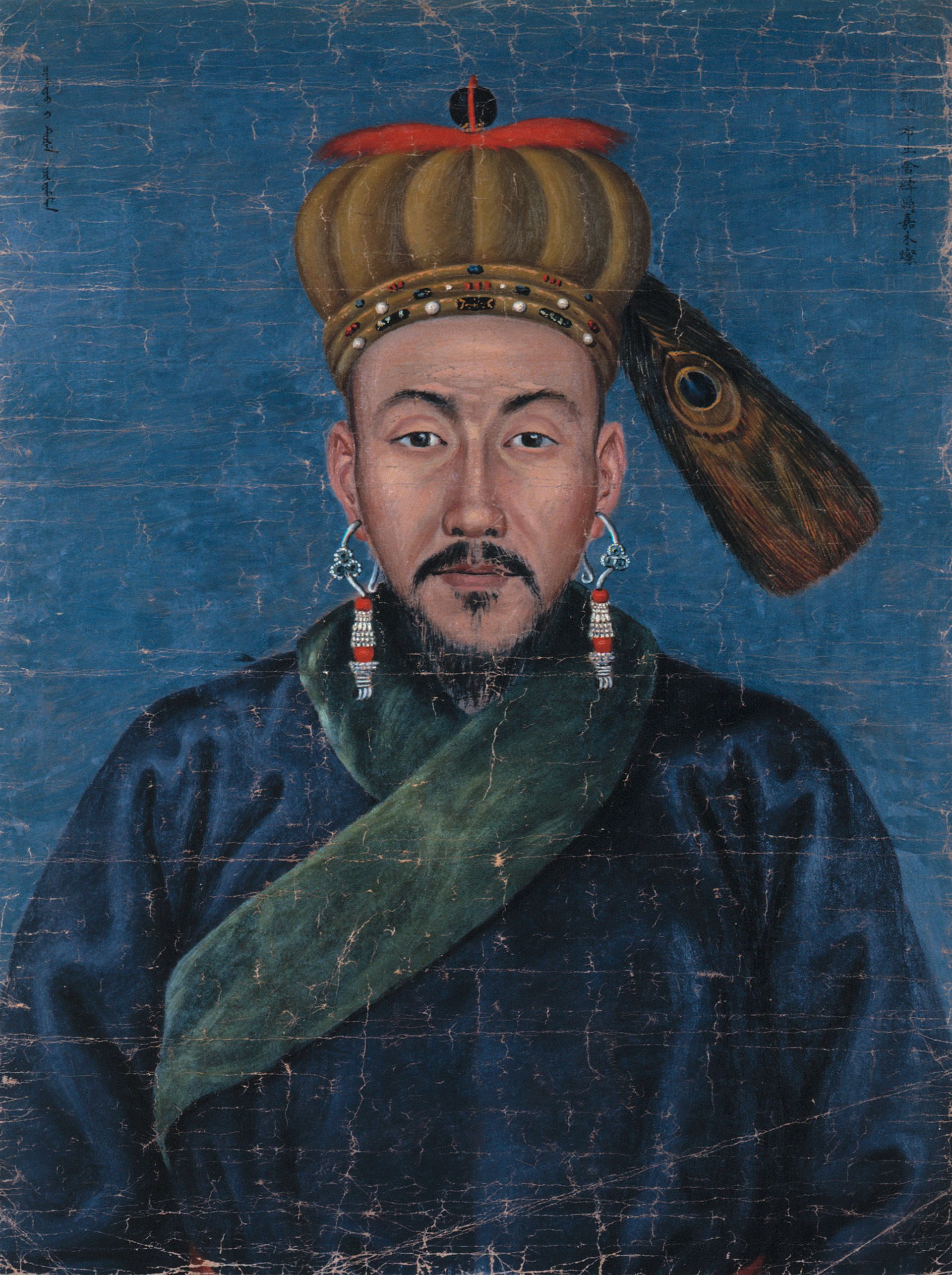
These works of art include porcelain, bronzes and picture scrolls. Due to their large quantity, each participating museum will identify up to 20 objects in its collections to focus on during the project’s research period, which began in November 2021 and lasts until November 2023.
German museums had until now concentrated their efforts on looted objects from Africa and the country’s colonial history in China is still little known by the public.
“The focus has mainly been on African objects so far, which is important. But the colonial context of China was also a very brutal one,” says Christine Howald, the leader of the joint project and the deputy director of the Central Archive overseeing provenance research projects at the national museums in Berlin. Howald says the study expects to find thousands of Chinese relics in German holdings over the course of the research period. Read More…