German Traditional Outfits: A Guide to the Rich Culture and Heritage of Germany
-
 Loading...
 - Nessa Smith
- 08 May 2023
- 97 Views
- 0 Like
- 0 Comment
If you have ever visited Germany or watched a German movie, you would have definitely noticed the rich cultural heritage of this European nation. One of the most striking aspects of German culture is the traditional outfits that Germans wear during festivals and other important occasions. The German traditional outfits are not only a reflection of the country's history but also a symbol of pride and identity for its people. In this article, we will take a closer look at German traditional outfits, their history, and significance.
The History of German Traditional Outfits
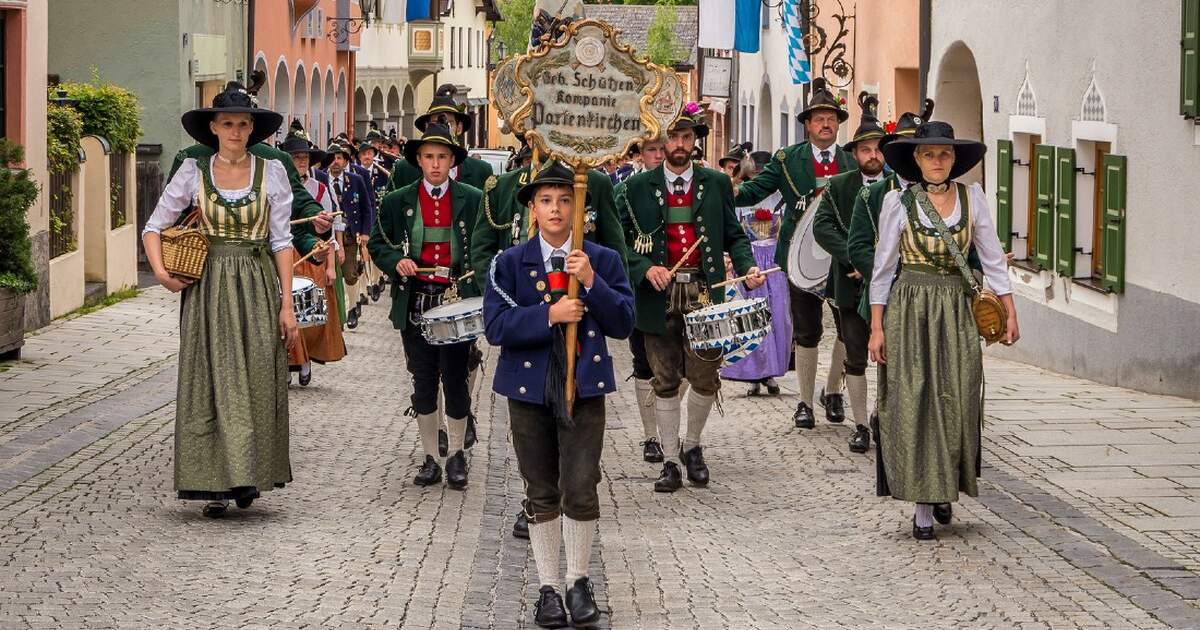
German traditional outfits, also known as Trachten, have a long and rich history that dates back to the 16th century. These outfits were worn by people in rural areas and were designed to be practical, comfortable, and suitable for manual labor. Over time, the Trachten evolved and became more ornate, with intricate designs and embroidery.
During the 19th century, Germany experienced a cultural renaissance, and the traditional outfits became an important part of the country's cultural identity. The outfits were no longer just worn by people in rural areas but also by the urban elite, who saw them as a symbol of their connection to the German heritage.
Types of German Traditional Outfits
There are several types of German traditional outfits, each with its own unique style and history. Here are some of the most popular types of German traditional outfits:
Dirndl
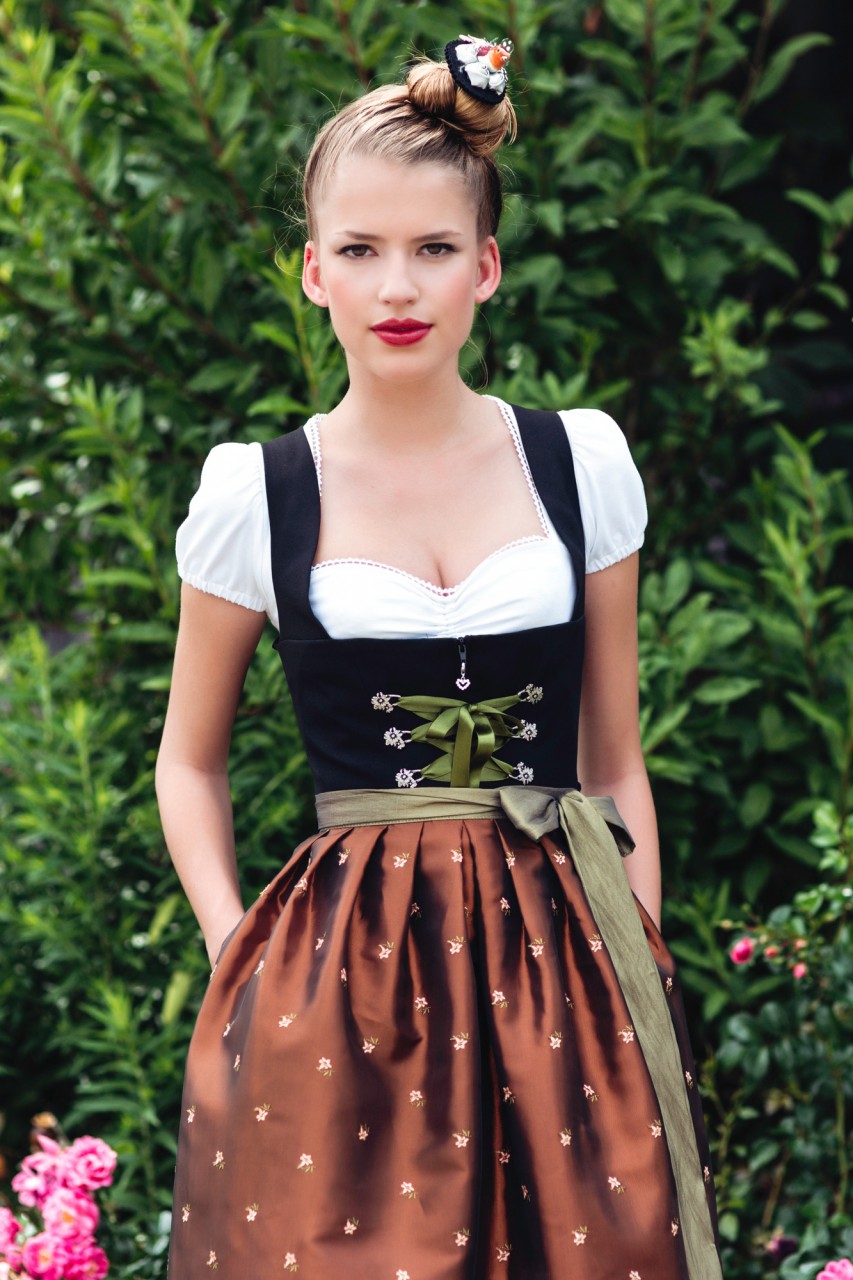
The Dirndl is the most iconic German traditional outfit for women. It consists of a dress with a tight-fitting bodice, a full skirt, and an apron. The Dirndl is typically worn with a blouse, stockings, and flat shoes. The length of the dress and the color of the apron can vary depending on the occasion.
Lederhosen

Lederhosen is the traditional outfit for men in Germany. It consists of leather shorts that are usually worn with suspenders, a shirt, and a hat. Lederhosen is typically worn during festivals and other cultural events.
Tracht

Tracht is a general term used to describe traditional outfits worn by both men and women in Germany. It includes the Dirndl and Lederhosen as well as other outfits such as the Gamsbart, a traditional hat worn by men in Bavaria.
Significance of German Traditional Outfits
German traditional outfits are not just a fashion statement but also a symbol of the country's cultural identity. The outfits are worn during festivals and other cultural events to celebrate German heritage and traditions. They also represent a connection to the country's rural past and the hard-working people who lived in those areas.
Wearing a traditional outfit is a way of showing pride in one's cultural heritage and identity. It is also a way of connecting with others who share the same cultural background.
FAQs about German Traditional Outfits
- What is the significance of the colors in German traditional outfits?
The colors in German traditional outfits are often symbolic of the region where the outfit originated. For example, green is a popular color in Bavarian Trachten, while red is often used in Swabian Trachten.
- Are German traditional outfits still worn today?
Yes, German traditional outfits are still worn today, especially during festivals and other cultural events. They are also popular for weddings and other formal occasions.
- Can anyone wear a German traditional outfit?
Yes, anyone can wear a German traditional outfit, regardless of their cultural background. However, it is important to respect the cultural significance of the outfit and wear it in an appropriate manner.
- Where can I buy a German traditional outfit?
German traditional outfits can be purchased at specialty stores or online. It is important to choose a reputable seller.