Germany rejects push for fresh EU borrowing to battle energy crisis
-
 Loading...
 - Farish Danial
- 01 Nov 2022
- 58 Views
- 0 Like
- 0 Comment
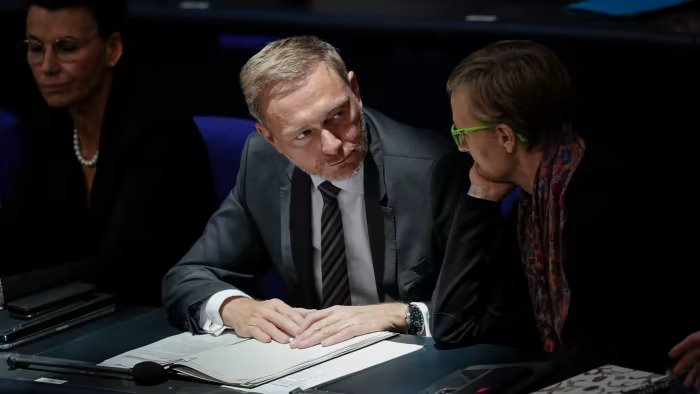
Germany’s finance minister has rejected common borrowing by the EU as a way to address the bloc’s energy crisis, saying it was cheaper for individual states to raise debt by themselves given the higher interest rates faced by the European Commission.
“The financial advantage the commission, and many member states once hoped for from common European debt, as opposed to issuing debt on a national basis, no longer exists,” Christian Lindner said in an interview.
His opposition to new rounds of borrowing will stoke tensions with other member states that feel Germany has done too little to forge a joint response to an energy crisis that threatens to drive the eurozone economy into a recession.
Berlin is already under fire for its unilateral €200bn relief programme aimed at easing energy costs for households and businesses. Earlier this month, Chancellor Olaf Scholz reluctantly agreed to a push for an EU-wide gas price cap, but subject to hefty caveats and preconditions.
The energy crisis has sparked fresh debate over the need for further joint borrowing after the unprecedented €800bn debt-raising programme that provided relief during the pandemic.
Ursula von der Leyen, commission president, has in recent days stressed the need to finance ambitious new cross-border energy infrastructure projects, as the EU attempts to accelerate its transition away from Russian gas and boost renewables. Read More...