Getting around in Finland: a beginners' guide
-
 Loading...
 - Tyler McDonald
- 09 May 2022
- 318 Views
- 0 Like
- 0 Comment
Finland has a deserved reputation for doing things at a human scale, and nowhere is this more apparent than on the country’s public transport system. From trains with onboard playrooms and efficient public buses to well-maintained highways and traffic-free cycle lanes, traveling around Finland is rarely stressful, though, like many things in Finland, it can be expensive.
Here’s our guide to the best ways to get around Finland, from Helsinki all the way to the Arctic Circle.
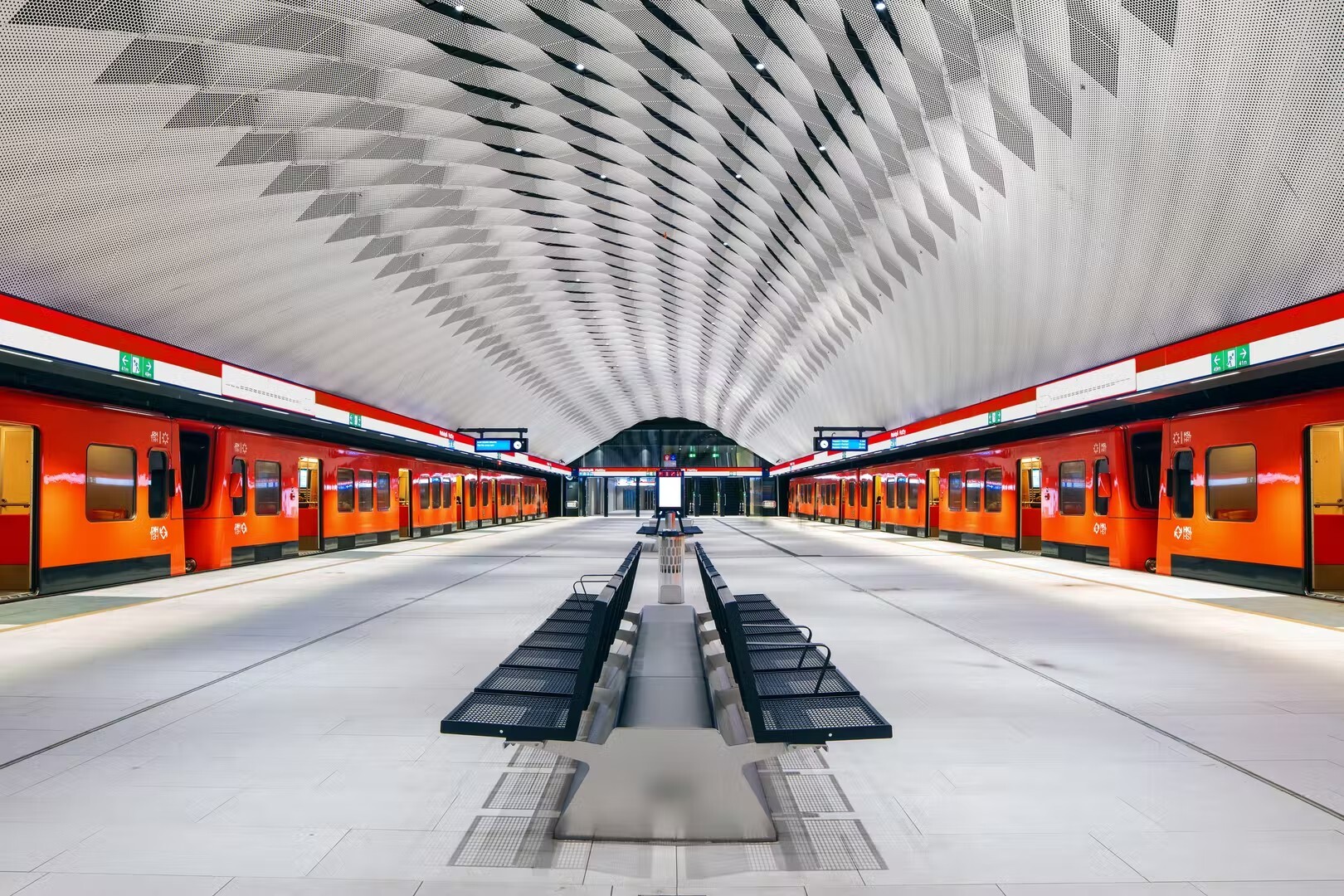
Trains are the best way to enjoy the Finnish countryside
Finland’s excellent train network fans out all over the country from the art nouveau masterpiece that is Helsinki Central Station – a gem of a building created by architect Eliel Saarinen in 1919.
Run with typical Finnish efficiency by Valtion Rautatiet (VR), trains run to most major cities in the south of the country, including Tampere and Turku and the coastal towns of Pori and Hanko.
However, the network shrinks noticeably once you head north of Oulu. In Finnish Lapland, the main hub is Rovaniemi, with limited services running north to Kolari and east to Kemijärvi. Wherever you go, you’ll enjoy views of rolling forests, glinting lakes and clusters of wooden cottages in a classic red and white Nordic color scheme. International services to Russia were suspended at the time of writing due to the conflict in Ukraine.

High-speed vs regional trains
For quick cross-country journeys, look out for high-speed Pendolino trips between major cities or fast InterCity rides. Express and Regional trains are slower and stop at plenty of tiny stations in between the big hubs. For longer trips, sleeper trains offer a choice of comfy, airplane-style seats or sleeping berths in upstairs or downstairs cabins (head upstairs for in-cabin perks such as showers and toilets, at a higher price).
Perks of the Finnish rail system include on-board childrens’ cars with play areas, licensed dining cars, extensive support for travelers with disabilities and quiet booths for making phone calls without disturbing other travelers. Finland is also well integrated into the Eurail and Interrail ticket systems.
When it comes to prices, expect to pay a similar price to bus journeys in 2nd class, and around 35% more in 1st class. Kids under 17 pay half fares, one adult travels free with each adult for longer trips, and discounts apply for seniors and group travel. You can buy tickets online (often with discounts for advance travel) or from ticket offices and ticket machines at stations.
Tip for train travel in Finland: If you’re traveling from Helsinki in summer, before you hit the station, browse the market stalls at the Kauppatori market square for Finnish strawberries, blueberries, cloudberries, unshelled peas and other healthy snacks for the trip.
Buses go almost everywhere in Finland
Buses are the backbone of intercity travel in Finland, though with the lack of motorways and slow speed limits, bus journeys move at a rather ponderous pace. Don’t expect to cover much more than 60km (37 miles) per hour.
You can take the bus to reach most cities, towns and villages in Finland; seats are comfortable and fares are reasonable, though regular vakiovuoro buses (which stop frequently) are cheaper than pricier pikavuoro express buses between bigger cities. Buses also run across Finland’s borders to Russia, Norway and Sweden – there’s a bit of red tape to navigate on routes to Russia, but border crossings to Nordic countries are seamless.
Ticketing is handled by Matkahuolto, and their website has comprehensive timetables for routes all over the country. Integrated within the same system are the budget intercity buses run by Onnibus, with big discounts available for advance bookings. You can buy tickets online, or from Matkahuolto offices or bus drivers. Matkahuolto also offers a bus pass allowing unlimited travel on routes across the entire country, valid for 7 days (€149) or 14 days (€249).
In larger towns, there’ll usually be a dedicated linja-autoasema (bus terminal) where you can buy tickets and check timetables. Departures are frequent between major towns, but services drop off substantially at weekends; in remote areas, there may be no weekend buses at all. Inconveniently, services also fall off during the summer holidays.
Air travel saves time (at a carbon cost)
Considering the ease of getting around by bus and train, there isn’t a particularly compelling reason to fly internally within Finland, though it’s worth considering a flight for the long trip up to the Arctic Circle from Helsinki. Finnair visits cities all over the country from its main Helsinki hub, but fares are quite pricey compared to internal flights outside of northern Europe, unless you manage to snag a discounted promo fare.

Cycling is a great way to explore Finland in summer
Finland is a great country for cyclists, with an impressive system of cycle paths taking you away from the traffic in and around urban areas. In the countryside, there are few hills to deal with, except in the north of the country. The country also has some impressive long-distance cycle routes, integrated into the Europe-wide cycle route network; bikes can easily be carried on ferries, trains and many buses.
Country journeys on quiet backroads can be a real joy, with plenty of opportunities to stop and splash in lakes en route. However, the abundant lakes can make journeys quite circuitous. When cycling in remote areas, be ready for the wildlife – you’re unlikely to encounter wolves or bears but deer and elk can be a hazard, and mosquitoes will stalk you in woodland areas.
Some cities have local bikeshare schemes, but you’ll want a decent road or mountain bike to explore the backcountry – best hired from a dedicated cycle rental establishment. Cycling in Finland is definitely a summertime activity; in winter, the biting cold, snow and ice and general lack of daylight are serious impediments to enjoyable riding. Read More...