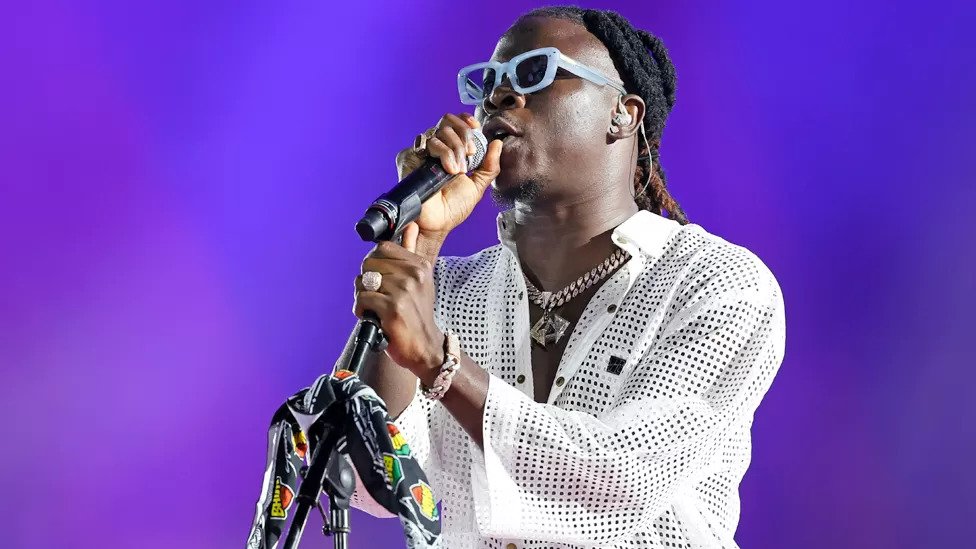
Ghana's love affair with reggae and Jamaican Patois
-
 Loading...
 - Solomon Afful
- 28 Feb 2023
- 60 Views
- 0 Like
- 0 Comment
In our series of letters from African journalists, Mark Wilberforce looks at how Ghana's rich musical scene has strong Jamaican links.
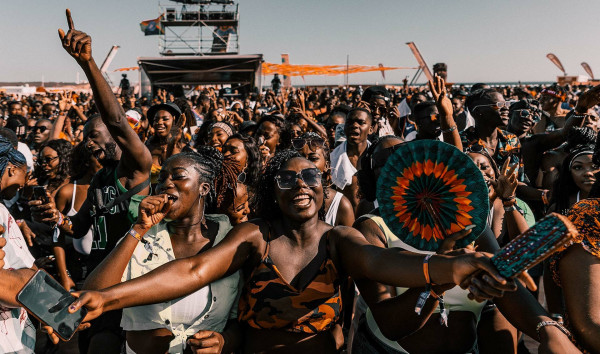
Afrobeats may be the dominant sound right now in Ghana, as in many other African countries, but the sounds of Jamaica can still be heard blaring through the speakers of Ghana's roadside and beach bars almost every day. Thursdays are reggae night in two big clubs in the capital, Accra - turning up the heat in an already hot climate.
Jamaican musicians such as the late greats Bob Marley and Peter Tosh and the group Culture have long been credited with planting the seeds of reggae music on African soil 50 years ago - and Ghana shows the roots have grown deep, and gone on to produce homegrown talent.
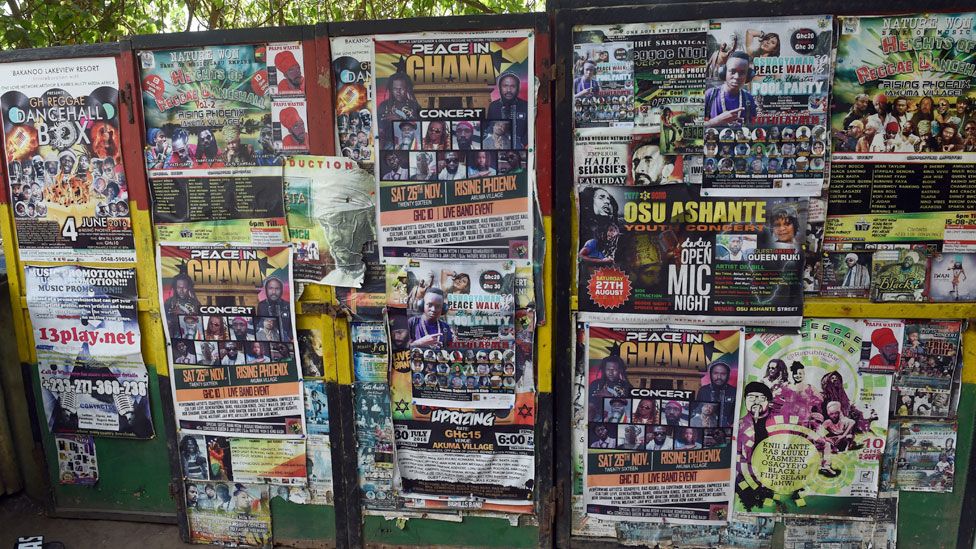
This love of reggae has also had a cultural bearing on the language: it is not hard these days to hear Ghanaians talking a little Jamaican Patois, which is different from Pidgin English, a lingua franca spoken by roughly a fifth of Ghana's population.
Take Livingston Satekla, one the biggest reggae-dancehall artists to come out of Africa, better known as Stonebwoy. The spelling of his stage name is a nod to Jamaican Patois.
The phrase "Who is that boy singing?" in Ghanaian Pidgin is: "Who be dat boy weh he de sing for deh?" In Jamaican Patois it is: "Ah who dat bwoy weh im ah sing fi deh?"
In a recent interview Stonebwoy and I discussed the growing use of Patois in Ghana, frowned upon by some Ghanaians.
"What's wrong with learning to communicate in Patois, which comes as part and parcel of reggae-dancehall as a core tool of communication? If you love reggae-dancehall you ought to learn Patois," the 34-year-old musician told me.
Born in the ghettos of Ashaiman outside Accra, Stonebwoy would regularly listen to Jamaican dancehall dons like Capelton, Anthony-B and Beenie Man as a teenager - wanting to sound just like his Patois-speaking heroes.
He would later go on to host some of the very same people at his annual BHIM Concert, arguably one of the most successful dancehall showcases in Africa.
It takes place in December as part of Ghana's Beyond The Return campaign - a project designed to encourage people from the diaspora to visit the country. Read More…