Ghanaian painter Tafa: ‘The painting is greater than the artist’
-
 Loading...
 - Sandra Afful
- 27 Mar 2023
- 74 Views
- 0 Like
- 0 Comment
The acclaimed artist made his way from Ghana to being feted by New York’s high society and is now showcasing his varied work in a Chelsea exhibition
The Ghanaian artist Tafa Fiadzigbe – known to the art world simply as Tafa – has come a long way. “I grew up in the slums of Ghana, and the slums in the third world are very different from slums here in America,” he said to the Guardian. “I knew people who ate from garbage dumps. When I was growing up, if someone told me I was going to be in the company of people like Bill Clinton and have them support my art, I’d have thought they were crazy.”
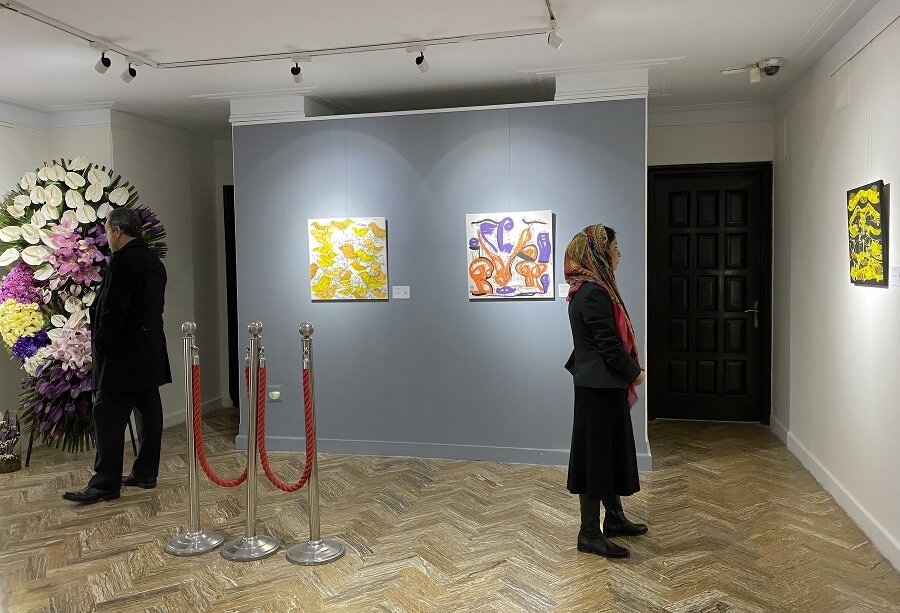
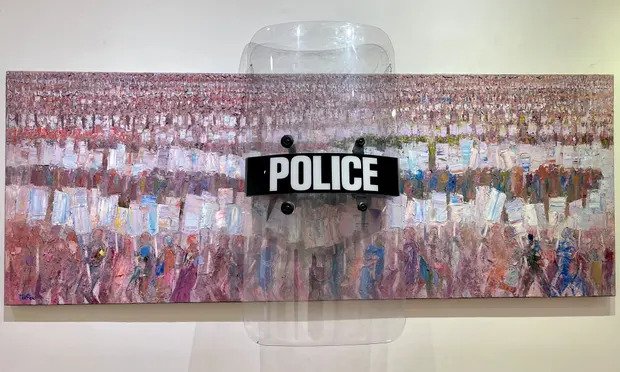
Now showing at Chelsea’s Pictor Gallery in New York until 25 February, Tafa’s art is at once visceral, transcendent and abstract. The pieces at his show include a frenzied protest march against police violence, an ethereal image of a goddess making her ascent and a homage to Sarah Baartman, a Khoikhoi woman who was exoticized by 19th-century Europeans for her bodily proportions.
Pursuing his vocation, Tafa studied art as a college student in Ghana before setting his sights on New York City. Upon arriving in 1993, he quickly realized he had some major misconceptions about his adopted home. “Originally I thought there were just a few hundred artists in New York. Eventually I realized there were thousands and thousands from all over the world.”
Looking back, Tafa now believes that his lack of knowledge was actually an asset. “Maybe 95% of artists in NYC don’t make a living from their art. I didn’t know how hard it was to make your living from art. If I knew what I knew 10 years later, I probably wouldn’t have done it. I was lucky.”
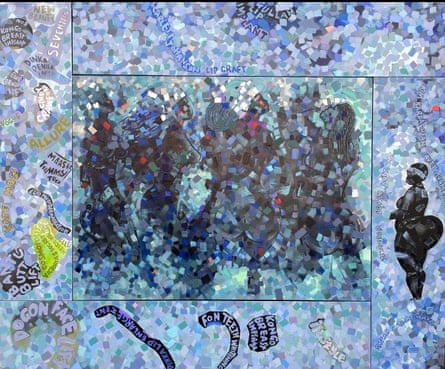
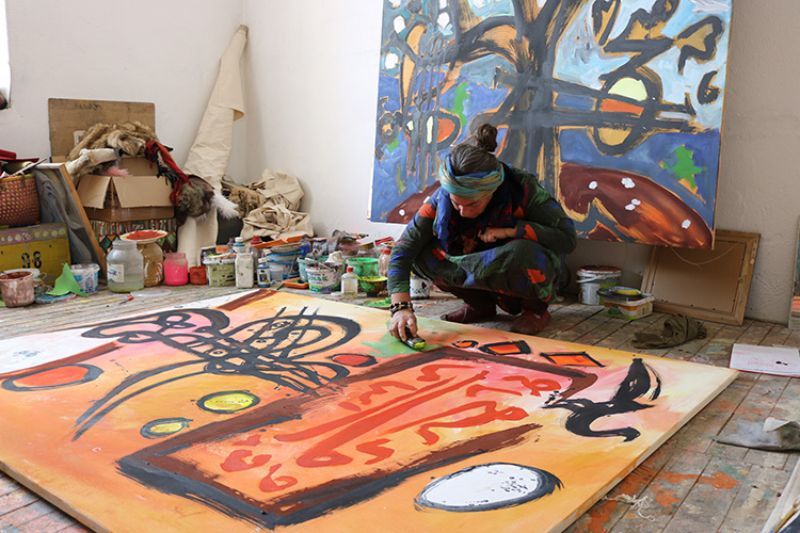
A lauded innovator with the palette knife, Tafa turns countless lumps of color into paintings that cause intense feelings of motion and exuberance. Although his subjects vary widely, frequent themes are the Black struggle for equal rights, the majesty of contemporary sports and the rhythms and movement of music. Whatever he is composing, for Tafa, dynamism is key. Read More…