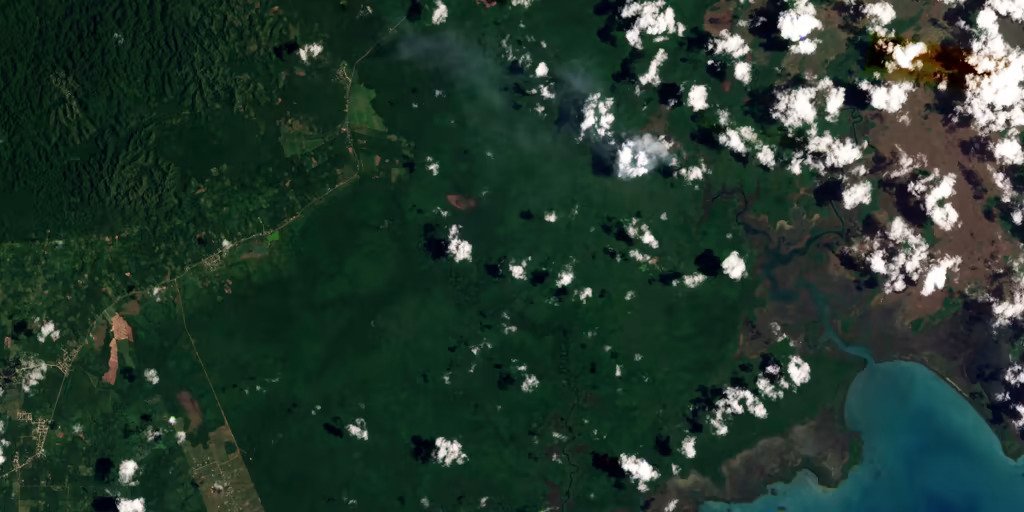
‘Ghost' carbon credits still alive despite end of forest project
-
 Loading...
 - Putri Rahman
- 15 Jun 2022
- 253 Views
- 0 Like
- 0 Comment
A Nikkei study found that carbon credits issued for the Tokyo-Belize Forest Project were still registered as valid after the end of CO2 reduction efforts in the area.
One of the reasons carbon credits are still valid is that the carbon reduction project database used by companies and other buyers is not up to date and leads to misleading informed transactions. As a result, the money paid by greenhouse gas emitters to buy credits is not being used to finance the practice of using forests to trap carbon.
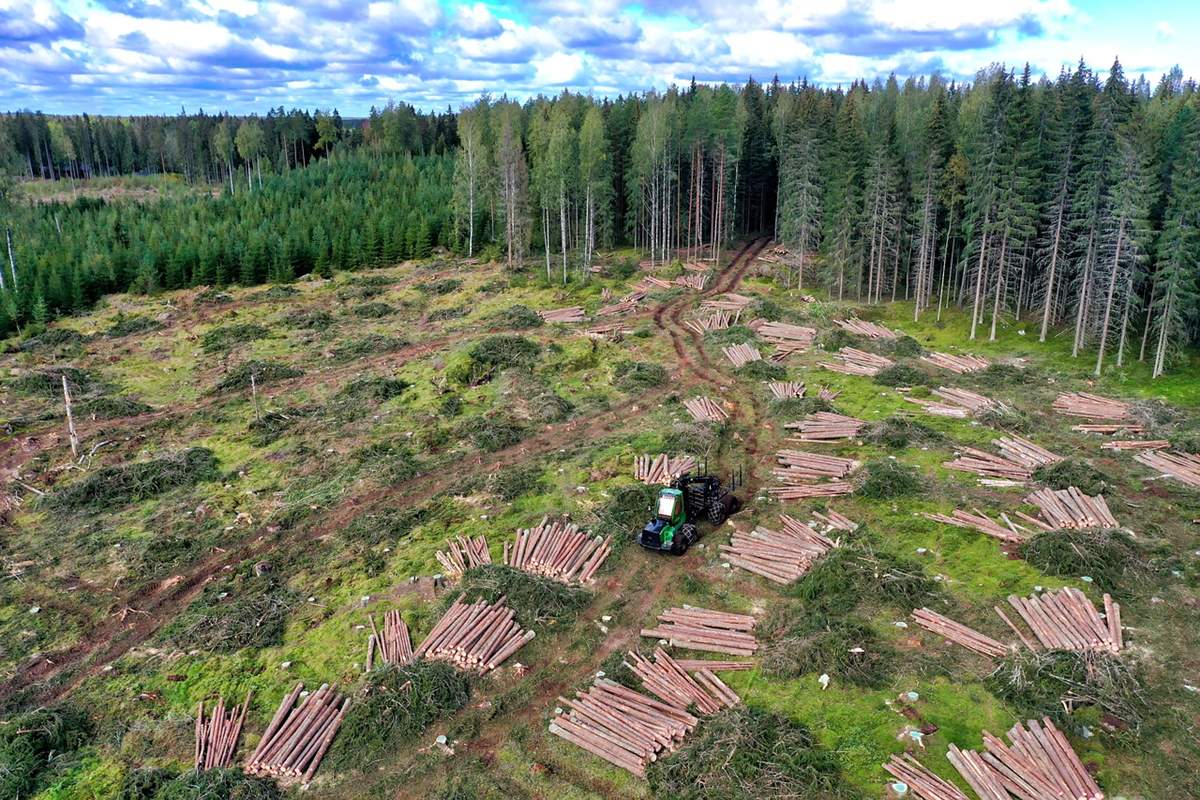
The project in question is the Bowden Creek Eco-Protected Forests Carbon Project in Southern Belize. Bowden Creek was designed to protect 40 million square meters of forest and generate an offset equivalent to 1.4 million tonnes of carbon dioxide over the 25 years since 2005.
The database of Verra, a US non-profit organization that recognizes carbon credits from forest conservation projects, lists the local company Boden Creek Ecological Preserve (BCEP) as the main operator of the project.
Nikkei examined the documents used for corporate certification and found that by October 2017, US forest management company Forest Carbon Offsets had replaced BCEP. The project was temporarily managed by a US coal company in 2017.
Carbon credits were only generated for 190,000 tonnes of CO2 generated by 2015 and not after 2016. Reports of project activity validated by an independent organization that monitors carbon savings only exist until 2015 and will not surface in the years that follow.
This suggests that BCEP’s successors continue to sell credits generated before 2015, even though they have ceased forest protection activities.
In 2021, Fauna & Flora International, a UK-based nature maintenance charity and non-governmental organization, purchased land covered by the Carbon Offset Program to prevent forests from being converted to agricultural land.
According to an FFI spokesman, “this land has received considerable commercial interest from third parties, especially for the conversion to agriculture, the planting of bananas.”
“The ecological integrity of Bowden Creek … was threatened by the land being acquired for agriculture, so there was an urgent case to secure its future,” he said. Added.
Verra was unable to update its database to reflect these changes, so you can purchase credits based on outdated information. Bella has not responded to Nikkei’s request for comment. Read More...