Govt looking for new edible oil sources
-
 Loading...
 - Faaiz Sultan
- 26 Apr 2022
- 324 Views
- 0 Like
- 0 Comment
The commerce ministry is going to recommend that the National Board of Revenue (NBR) reduce the import duty on canola, sunflower and olive oil to 10 per cent from the existing 32 per cent.
It will be an attempt to increase the supply of edible oil in local markets as Indonesia is slapping a ban on exports of palm oil from April 28.
Bangladesh has been foreseeing a supply crunch of edible oil with the proposed export ban as the country sources 85 per cent of its annual requirement of 11 lakh tonnes of crude palm oil from Indonesia.
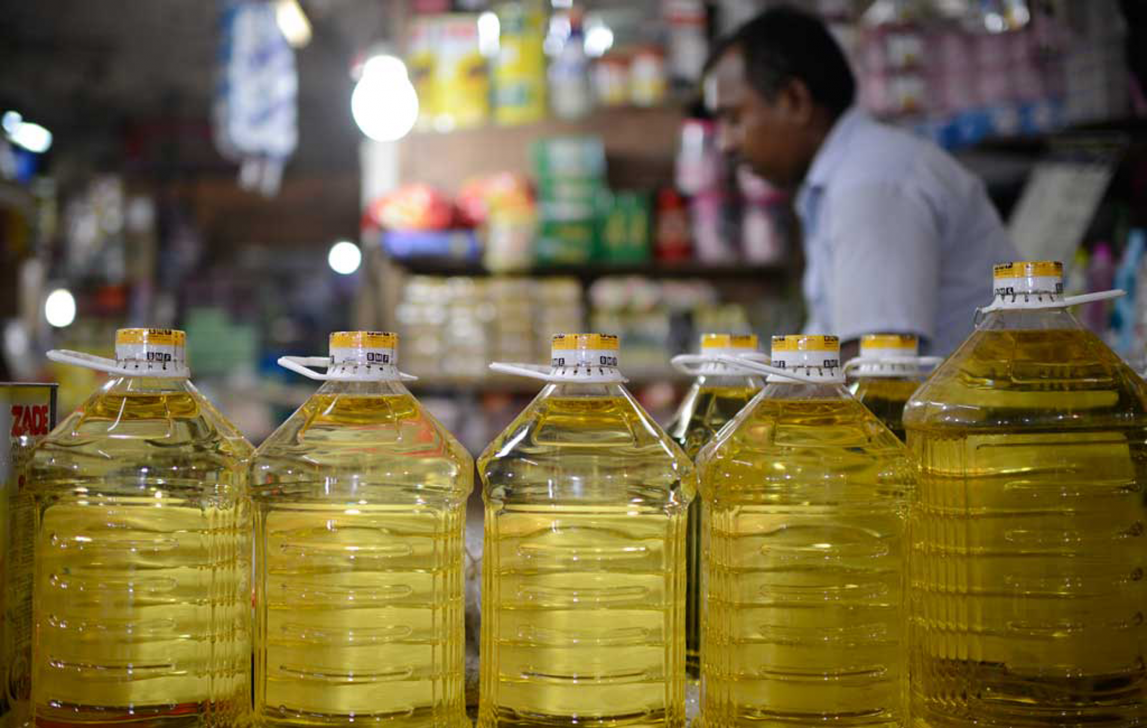
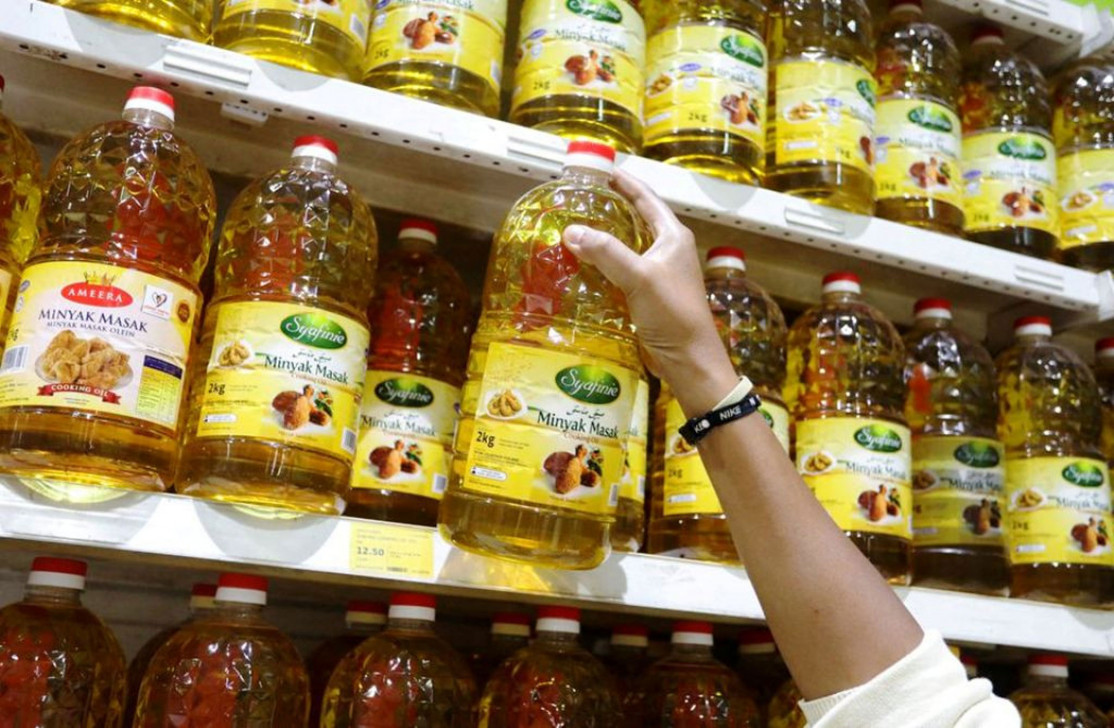
So, the government is desperately looking for alternative sourcing destinations, alternative edible oils and taking up trade-related measures to maintain a smooth supply of edible oil in the local markets at affordable prices.
Of the many measures, the government is not allowing the export of any kind of edible oil, such as rice bran oil, from the country without prior approval from the ministry.
Talking to The Daily Star, Tapan Kanti Ghosh, senior secretary of the commerce ministry, said he would send the recommendation letter to the NBR in a day or two requesting to reduce the duty by 22 percentage points.
This will be mainly to encourage importers to import canola and sunflower oil to avoid any supply crunch of edible oil in the domestic market, he said.
The current duty on import of all three -- canola, sunflower and olive oil -- may not be exactly 32 per cent, he said.
But the import duty on canola oil is 32 per cent, Ghosh said.
And the Bangladesh Trade and Tariff Commission (BTTC) recommended it be brought down to 10 per cent, he said.
The BTTC has also recommended that the commerce ministry reduce the duty on import of canola and sunflower oil for the Indonesian ban and to increase supply of edible oil in the domestic markets, he said.
However, Ghosh remains upbeat on the availability of palm oil from Malaysian markets.
Moreover, he is looking for big supplies of different types of edible oil like sunflower, canola and soybean oil from different countries such as Canada, the US, China and Malaysia.
Canada is particularly a very good source for canola oil while the US is a very good source of soybean oil, he said.
The price gap between soybean oil and palm oil in local markets has remained very minimal recently. So, the country can rely on other edible oils like canola, sunflower and soybean oil, Ghosh also said.
The senior commerce secretary also said there was adequate stocks of edible oil to serve the domestic markets but if supplies were not increased, a deficit could arise of the item.
Earlier on March 16, the government reduced the value added tax (VAT) on the import of soybean and palm oil to 5 per cent from 15 per cent to reduce the price in the local retail markets.
This caused prices of edible oil to decline by anywhere from Tk 8 to Tk 10 per litre at the retail level.
Bangladesh's annual requirement of edible oil is 20 lakh tonnes.
Demand rises during Ramadan by 2.5 lakh tonnes to 3 lakh tonnes because of food habits of people in this month of fasting, according to data from the commerce ministry.
Only around 2.03 lakh tonnes can be provided through local production and the rest of the demand has to be met through imports.
Of edible oil imports, some 5 lakh tonnes comprises crude soybean oil while some 24 lakh tonnes of soybean seed are imported.
From the imported soybean seed, 4 lakh tonnes of edible oil is produced, the commerce ministry data also said.
Bangladesh imports 11 lakh tonnes of crude palm oil.
The price of edible oil has been fluctuating in the local and international markets over the last two years. Read More...